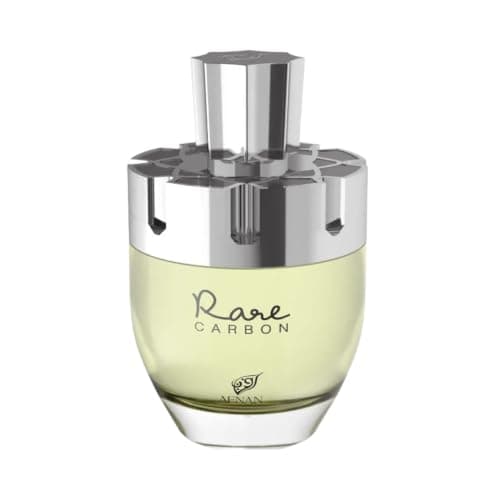
Buy Afnan Rare Carbon. It is a violet-leaf-and-leather construction at a price where almost nothing else even attempts leather, and it is the pick that will tell you cheaply whether you actually like this family or just like the idea of it. If you want the reference — the bottle every other leather on this page is measured against — that is number two, and it costs roughly four times as much. If what you want is dry, resinous, traditional Arabian leather, go to number three, which is also the cheapest thing here. And if you came looking for a leather that strangers will compliment rather than question, skip the top of this list entirely and read number five.
What "leather" means in a bottle, and what it doesn't
There is no leather in leather fragrance. There is no extract of leather the way there is an extract of bergamot — leather is an accord, a smell assembled out of other materials to suggest a tanned hide, and which materials get used decides whether the result smells like a new car, a saddle, a smoked fish or a cigarette.
The oldest answer is birch tar, made by dry-distilling birch bark. Russia leather was tanned and then oiled with birch bark oil, which waterproofed it and kept insects off and gave it an aroma that was read as a mark of quality — and perfumery simply took the material that was already on the hide. Birch tar oil scented the eighteenth-century Spanish leather Peau d'Espagne, and by the turn of the twentieth century it had become a specialty perfume material used specifically in leather and tobacco compositions and the Cuir de Russie style. In a modern pyramid it is a base note that, in Wikipedia's phrasing, imparts a leathery, smoky note.
That history matters for shopping, because it explains why leather fragrance divides people so sharply. The material at the root of the family is a tar. Done with restraint it reads as expensive luggage; pushed hard it reads as creosote, burnt rubber or — the word that follows Fahrenheit everywhere — gasoline. Nobody is wrong about that. They are smelling the same thing and describing it differently.
The Gulf houses build leather from the other direction. Saffron, oud and resins give a dry, slightly medicinal, animalic quality, and three of the bottles on this page name leather or suede in a published base that also contains agarwood. That is a different kind of leather from the smoky French one, and it is the main reason this page is organized by type rather than by price. Our oud guide and notes guide cover the raw materials properly, and fragrance families explained maps where leather sits against woody and amber.
The four kinds of leather on this page
They are not interchangeable, and buying the wrong one is the single most common way people decide they hate leather fragrance.
- Violet-leather. Violet leaf — green, metallic, faintly like crushed stems — laid over a leather base. Dry, strange, unmistakably deliberate. Rare Carbon and Fahrenheit.
- Oud-leather. Saffron and agarwood over resins, with leather or suede named in the base. Dry, austere, traditional. Ameer Al Oudh and Oud Mood Elixir.
- Smoky-birch leather. Leather as a dark edge under something fruity and bright, so the smoke reads as depth rather than as the point. Club de Nuit Intense Man.
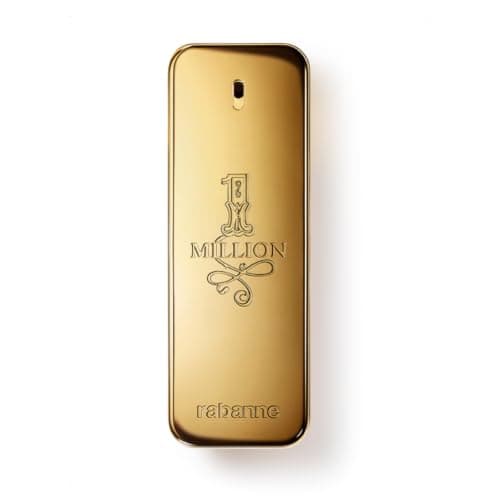
- Sweet leather. Leather softened by amber and sugar until most wearers never identify it as leather at all. 1 Million.
The criteria, stated before the list
Five things decided the order, applied in this sequence. We publish them first because a ranking without stated criteria is an opinion with numbers attached.
- Is leather load-bearing?Plenty of men's fragrances list leather somewhere in a marketing blurb and smell nothing like it. Every bottle here has leather, suede or birch doing structural work in a pyramid published by the brand or by the listing we link to.
- Does it do a job the others don't? Six smoky birch leathers would be a worse page than six bottles covering six uses. Where two picks overlapped, the cheaper one stayed.
- Can a normal person wear it? Leather is the family most likely to produce a fragrance that is interesting and unwearable. Bottles that ask a lot of the wearer are still ranked, but they are ranked with that said out loud rather than buried.
- Is there a published pyramid to point at?Every note list quoted below comes from the brand's own page, from a named fragrance database, or from the Amazon listing we link to. Nothing is from memory, and where a source refused us this week we say so.
- Is the listing genuinely buyable today? Every ASIN here was re-checked on 2026-11-03 before it was ranked. Two obvious leather candidates failed a different test and are named at the bottom rather than quietly dropped.
Why Rare Carbon is first, and the honest case against it
Because it is the only bottle we know of under thirty dollars that attempts the violet-over-leather structure and gets somewhere real with it. Its listing gives leather, violet leaf, cinnamon bark and nutmeg up top, rose, violet, cedarwood and oud wood in the heart, and vetiver, sandalwood and amber in the base. Read that again: leather is the first note named, which is unusual, and the base is dry rather than sweet, which is what keeps it from collapsing into the same gourmand shape as everything else in its price bracket. It is also by some distance the most grown-up thing Afnan sells here.
The case against it is real and you should weigh it. Violet and leather together are an acquired taste — this is not a fragrance that gets you complimented on the first wear, and if you are buying your first bottle it is the wrong place to start (our beginner ranking has better answers). It is too heavy for warm weather or a shared office. And the Rare line contains several near-identically packaged bottles with unrelated profiles, so order by name, not by the look of the box.
Fahrenheit is second, and it is the more important fragrance
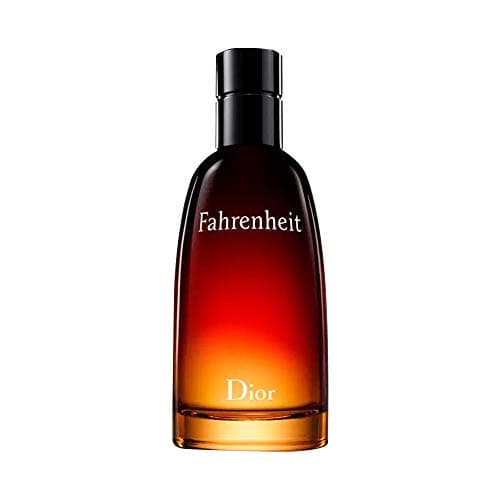
Nothing else on a department store shelf smells like Dior Fahrenheit, and almost forty years after its 1988 release nothing has really tried. Osmoz, which files it as woody-floral musk, publishes bergamot and mandarin up top, carnation, nutmeg and violet leaves in the heart, and patchouli, vetiver and leather in the base. That violet-leaf-over- leather idea is the thing Rare Carbon is chasing, and Fahrenheit got there first.
It is second rather than first for two reasons that have nothing to do with quality. It costs several times what the top pick does, and it is the most genuinely polarizing fragrance on this entire site — the metallic-green facet reads to some people as gasoline and to others as wet earth, and blind-buying it is a bad idea. Our full Fahrenheit review covers the dry-down, the reformulation question and who should skip it, and best Dior cologne places it against the rest of the house.
One provenance note, because we would rather tell you than imply more than we have. Dior's own site refused our requests this week — every Fahrenheit URL we tried returned HTTP 403 — so the pyramid above is cited to Osmoz rather than to Dior. Dior's official Fahrenheit page is still cited on our Dior house ranking from a run when it was reachable, and the two agree on structure. We also deliberately do not name a perfumer: the sources that publish a credit for Fahrenheit contradict each other, and we are not going to pick one and present it as settled.
The dry Arabian leathers, and why both are here
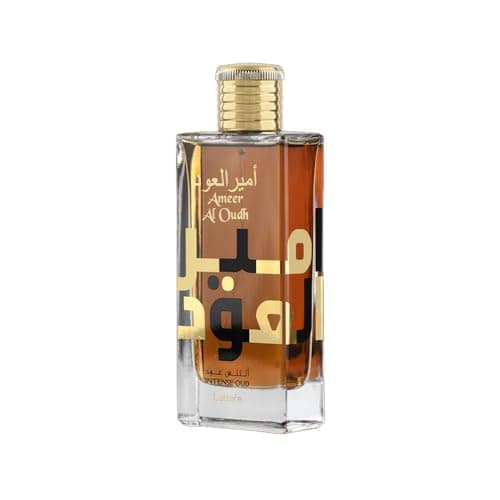
Ameer Al Oudh Intense is the cheapest bottle on this page and the closest thing here to what people mean when they say traditional oud. Lattafa publishes saffron and nutmeg over geranium, woody notes and labdanum, with oud, vanilla and leather in the base. Leather is named outright, the vanilla is a rounding agent rather than a sweetener, and the overall effect is dry, resinous and a little austere. If you want to find out whether serious oud-leather is for you without spending niche money, this is the experiment — and our oud for beginners ranking is the longer version of that argument.
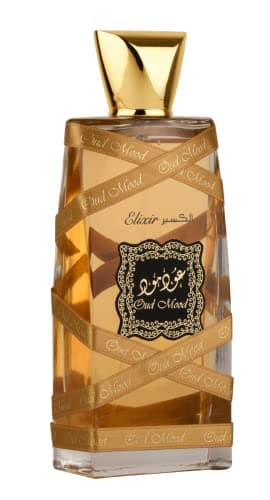
Oud Mood Elixiris the one that goes at leather from the suede side rather than the hide side. Lattafa's own description gives saffron, cinnamon and nutmeg up top with nutmeg leading, oudh and sandalwood through the heart alongside suede, and a vanilla-and-amber base — and calls the result wonderfully spicy and woody with animal and slightly sweet notes. Suede is the softer, more formal end of this family: less tar, more texture. It is the pick on this page we would wear to something with a dress code in January.
A provenance note on both. lattafa.com returned HTTP 403 to our fetches this run and its US mirror returned 429, so the two pyramids above are as recorded from the earlier fetches cited on our oud page, not from a fetch this week. Both bottles also carry a known documentation problem we have flagged before: Lattafa's site publishes more than one note list for Ameer Al Oudh, and files Oud Mood Elixir under women while the Amazon listing sells it as unisex. Neither changes what is in the bottle, but you should know the paperwork is messy. See is Lattafa a good brand for the broader picture, and cologne for men and women on why the gender label is close to meaningless in this tier.
The two leathers most people will actually enjoy
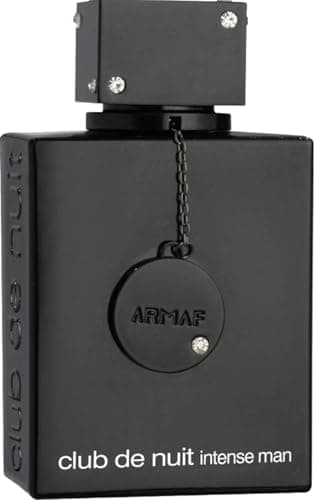
Club de Nuit Intense Manis fifth, and it is the pick we would hand to someone who says they want leather but has never worn any. Armaf's own page gives apple, bergamot, blackcurrant, pineapple and lemon over rose, birch and jasmine, closing on musk, ambergris, patchouli and vanilla. Birch in the heart is the leather — that smoky edge under the pineapple is the whole reason the fragrance reads as expensive rather than fruity — and it is also why the bottle became the best-known cheap performer in the world. The full review goes through it properly, and Hawas vs Club de Nuit Intense Man settles which of the two cheap benchmarks to start with. If you got here from the clone side of this question, our Creed Aventus dupes page is the one you want.
1 Millioncloses the list, and it is here for a reason that will irritate purists: Rabanne's own US product page lists exactly three notes for it — blood mandarin, woody cinnamon and leathery amber. The brand that made it says leather is one third of the fragrance. Most people who wear it have no idea, because the amber and the sweetness sand the tar down to a texture rather than a smell, which is precisely what makes it the most wearable leather here and the least interesting one. It is loud, it is everywhere, and a meaningful number of people actively dislike it — see the 1 Million review and Versace Eros vs 1 Million if you are weighing it against the other obvious loud sweet designer.
Three famous leathers we are not sending you to
Each of these belongs on a leather list on the merits. None is ranked, and the reason is stated rather than hidden.
- Tom Ford Ombré Leather and Tuscan Leather— the two bottles most people actually mean by "luxury leather fragrance." We do not rank them because the live listings in this price tier are third-party and Amazon counterfeiting is a known problem at exactly that level. We publish how to spot fake cologne; sending you somewhere that contradicts our own guidance would be indefensible.
- Lattafa Asad— dark, boozy tobacco, coffee and vanilla, and one of the best cheap evening fragrances in existence. It is not here because tobacco is not leather, even though the two families sit next to each other and share birch tar's history. It is ranked on our gourmand page and reviewed at Lattafa Asad.
- Dior Homme Intense — the iris-and-cocoa Dior that gets filed as leather by people describing its powdery, lipstick-like texture. Its published identity is iris, not leather, and we are not going to reclassify a fragrance to pad a list. It sits on best Dior cologne and best wedding cologne instead.
What leather fragrance should cost
Qualitatively, and only qualitatively, because a number typed into an article is wrong within a month: the three Gulf-house leathers on this page sit in the low-double-digit bracket, Club de Nuit Intense Man sits just above them, and the two designers sit roughly four to six times higher than the cheapest pick. The gap in smell is not four to six times. What the designer money buys is batch consistency, a known quantity, and in Fahrenheit's case a composition nothing cheap has successfully copied in thirty-eight years.
That last point is the honest argument for the expensive end of this particular family. In vanilla the cheap tier has genuinely caught up, because the materials are inexpensive. Leather is harder: the accord needs restraint to avoid smelling like tar, and restraint is the thing budget perfumery is worst at. Rare Carbon is the exception that proves it is possible, not the proof that it is common. Our how much should you spend on cologne guide has the general framework, and every card above carries a live price read from the Amazon product feed with the date it was read.
Leather's closest neighbor is tobacco, and the two are blended so often that several bottles on this page have a tobacco-adjacent heart. We now rank that family properly at best tobacco cologne for men, where the dry leather-and-oud end of the category sits alongside the sweet, spiced tobaccos this page has no room for.
How to buy a leather fragrance without regretting it
Four rules, in the order they matter.
1. Sample this family. Do not blind-buy it.
We say this about every category and we mean it most here. Leather is the family with the widest spread between "this is the best thing I own" and "this smells like a garage," and the two reactions come from the same molecules. A sampler costs a fraction of a bottle and settles it in an afternoon — our best cologne sampler sets page ranks the sets worth buying, and how to choose your first cologne walks through the process.
2. Decide which kind of leather you want first
The four types above are a shopping tool, not trivia. If the smell you are chasing is a leather jacket, you want the smoky-birch or violet-leather end. If it is a mosque, a saddle or an antique bookshop, you want the dry oud-leather end. If what you liked was a warm, barely-identifiable depth under something sweet, you want the last pick on the list and you will be happier for admitting it. Buying across types is how people end up with two bottles they do not wear.
3. Expect to need less of it than you think
Birch tar, oud, labdanum and patchouli are among the most tenacious materials in perfumery, which means the normal failure mode in this family is over-application rather than weak performance. One spray of Ameer Al Oudh is a decision. Our how many sprays guide gives the arithmetic, what is sillage explains what you are actually controlling, and why you cannot smell your own cologne is why the wearer is the worst judge of how much is in the room.
4. Buy for cold air and for the evening
Every bottle on this page is better below about sixty degrees and after dark. Leather accords are dense and they need air that will not accelerate them; in heat the tar and the resins turn sharp and suffocating. There is no good summer leather on this list and we are not going to invent one — our winter ranking is where this whole family belongs, night out is the occasion, and best summer cologne for men is where to go instead in July.
Where our scores come from
The /10 figures on every card are judgments compiled from published note pyramids and concentration data plus aggregated owner and community reports, and in some cases first-hand impressions. They are not laboratory measurements, we do not run a lab, and we will not give you an hour count for longevity because we have no instrument to produce one. Our methodology page states that in full, and longest-lasting cologne is where performance is the whole question rather than one column.