Because of olfactory fatigue — the normal, temporary inability to detect an odour after prolonged exposure to it. Your fragrance is still there and other people can still smell it; your nose has simply stopped reporting it. This matters for one practical reason: almost everybody who over-sprays does it for this reason, and the people around them are the ones who pay for it. Read the mechanism first — then, if you genuinely want a fragrance that reads loud to other people, the picks below are the ones on this site built for it.
The published name for what is happening
Olfactory fatigue, also called odour fatigue, odour habituation, olfactory adaptation or noseblindness. The textbook example is a restaurant: walk in and the smell of food is overwhelming, and after a few minutes you barely notice it. Leave the area and sensitivity returns with time. It is distinct from anosmia, which is the permanent loss of the sense of smell. The same phenomenon is well known in wine tasting, where a taster who sniffs continuously loses the ability to distinguish a wine's bouquet, and in indoor air-quality work, where it is taken seriously enough to be treated as a hazard: because odour detection can be the signal that chemical exposure is happening, olfactory fatigue can reduce a person's awareness of that exposure.
Why your nose does this on purpose
It is a case of neural adaptation. The body desensitises to a constant stimulus to avoid overloading the nervous system, which frees it to respond to new stimuli that are out of the ordinary — a useful trade when the new stimulus might be smoke or spoiled food. At the cellular level, odour molecules bind receptors on olfactory receptor neurons in the lining of the nasal cavity; calcium ions flood in, the cell depolarises, and the brain gets a signal. That same calcium influx activates a stabilising feedback loop that lowers the neuron's sensitivity the longer it is stimulated, by limiting cyclic AMP and making the channels less responsive to it. The mechanism that lets you smell something is the mechanism that stops you smelling it. You cannot have one without the other.
Three things this explains
Why your signature scent "stopped working." It did not. Wear the same fragrance daily and you adapt to it fastest of all, which is why people conclude a reformulation happened when nothing changed but their own nose. Rotating two or three bottles fixes the perception — how to build a fragrance wardrobe sets out the cheapest way to have a rotation worth having.
Why you smell it again hours later. Sensitivity returns after you leave the odour — step outside, or into a different room, and the fragrance you could not detect will register again for a moment. That is also the only reliable self-test: ask someone else, or leave the room and come back.
Why the fix is not more sprays. Adding sprays raises the dose for everyone whose nose has not adapted — which is everyone but you. Two sprays you cannot smell is a normal fragrance; six sprays you cannot smell is the person people move away from on a train. How many sprays of cologne gives the actual numbers by concentration, and what is sillage explains the difference between what you perceive and the trail you leave.
If you really do want to be noticed, buy projection
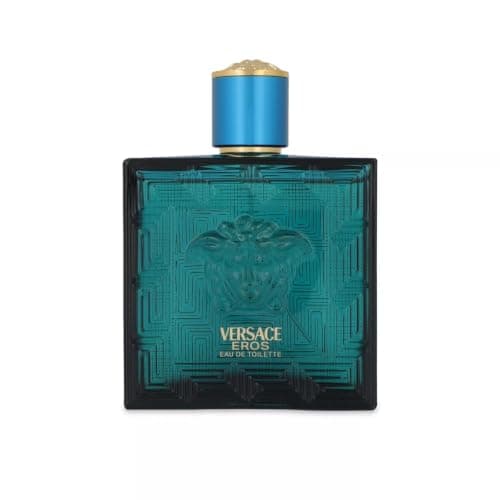
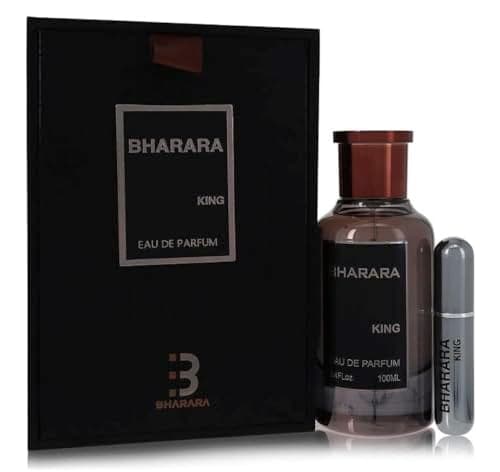
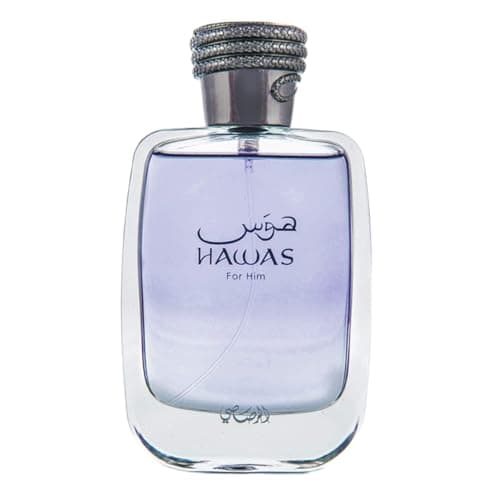
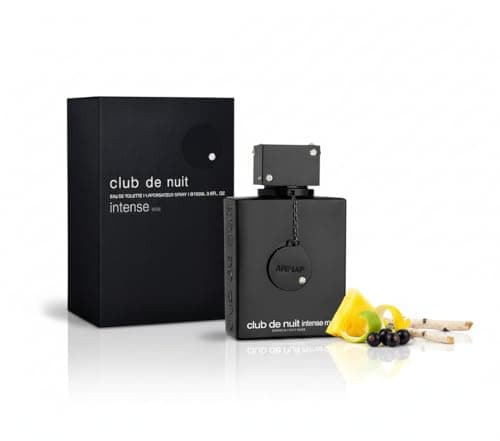
There is a legitimate version of this complaint: some fragrances are genuinely quiet, and no amount of adaptation explains a bottle that nobody comments on. The fix is a different bottle, not a heavier hand. The four below are the loudest, longest-projecting fragrances we rank — the ones that score highest on sillage and projection in our own scoring, and three of the four cost less than a designer EDT. Spray them twice and they will do the work.
Before you buy anything, rule out the boring causes
Application. Fragrance sprayed onto clothing, into hair or onto dry skin behaves differently from fragrance on a warm, moisturised pulse point — how to apply cologne covers the method that gets the most out of a bottle.
Concentration. An eau de cologne or a body spray is supposed to be quiet and short-lived; expecting an EDP performance from one is a category error. Cologne concentrations explained has the published classes and what each is for.
Age and storage. Heat and light degrade a fragrance, and a bottle kept on a sunny windowsill for two summers really can have faded — how to store cologne covers that and shelf life.
Your skin. Dry skin holds fragrance poorly and some people genuinely burn through top notes faster than others, which why cologne smells different on everyone explains.
What not to do
Do not buy a stronger bottle to solve a perception problem you have not confirmed with another person. Do not spray into the air and walk through it — that wastes most of the fragrance and gives you the one thing you did not want, a weak result you cannot detect. And do not sniff your own wrist repeatedly to check: that is the fastest possible route to adapting to the note you are trying to assess. If you want longevity rather than volume, longest-lasting cologne ranks on staying power specifically, and how to make cologne last longer covers everything you can do without spending anything.