It is mostly your skin's oil, and the difference is real — but it changes how long a fragrance lasts and how loud its warm notes read far more than it changes what the fragrance is. A cologne that smells like leather and vanilla on your friend will not smell like citrus and roses on you. What it will plausibly do is last three hours instead of seven, sit closer to the skin, and let the sweet base through more or less than you expected. That is the honest version of "skin chemistry," and it is enough to make a blind buy go wrong.
What is actually happening
Sebum — your skin's own oil — is the main variable. Sebaceous glands secrete an oily, waxy substance that lubricates skin and hair; in humans they are most numerous on the face and scalp but occur over nearly the whole body. Fragrance materials are largely oil-soluble, so oilier skin holds them longer and releases them more slowly. This is why the same two sprays can last all day on one person and vanish by lunch on another, and why dry skin is the most common single cause of "this cologne has no longevity."
Skin temperature changes the order things arrive in. Warmer skin volatilizes materials faster. On a hot day, or on someone who simply runs warm, a fragrance moves through its stages more quickly and projects harder early on — then has less left later.
Hydration, diet and medication play smaller parts. Well-moisturized skin holds fragrance better than dry skin, which is the single cheapest longevity improvement available to anyone. Diet and medication can alter the smell of your own skin, which then sits underneath the fragrance. These effects are real but modest, and they are routinely overstated.
And a great deal of it is not your skin at all. Two things get blamed on chemistry that have nothing to do with it. The first is nose blindness: within about twenty minutes your own olfactory system adapts to a smell you are continuously exposed to and largely stops reporting it. Your fragrance has not disappeared; you have stopped noticing it, which is why over-spraying is so easy — see how many sprays of cologne. The second is batch variation: houses reformulate, and two bottles of the same name bought three years apart are not reliably the same liquid.
What skin chemistry does not do
It does not turn one fragrance into a different one. If a reviewer describes a dates-and-cinnamon gourmand and you put it on and smell bright citrus, something else is going on — a counterfeit, a different flanker in a similar bottle, or a reformulation. Those three explanations cover almost every case of "it smells nothing like the reviews", and all three are worth checking before you decide your skin is unusual. Our guide to spotting fakes and our flanker guide cover the first two.
Which fragrances vary the most
In practice, heavy amber, vanilla and gourmand bases vary most from person to person, because their effect depends so much on how slowly the oil-soluble base materials release. The gourmand and Arabian rankings are where you will see the widest spread in what people report. Bright citrus and aquatic fragrances vary least, because the parts you notice evaporate quickly on everyone — which is also why the fresh ranking is the safest place to buy without testing.
How to test a fragrance on your own skin properly
Four rules, all of them free. Spray on skin, not paper. A paper blotter tells you what the perfumer composed; your wrist tells you what you will actually wear. Give it four hours minimum. Most buyer regret comes from judging a fragrance on its first ten minutes, which is the part that lasts the least and resembles the finished scent the least. Test two at most in one session. Your nose saturates quickly; by the fourth strip everything smells like the same vague sweetness. Then ask someone else. You are the one person in the room who cannot smell it properly after twenty minutes.
The cheap way to do this at home
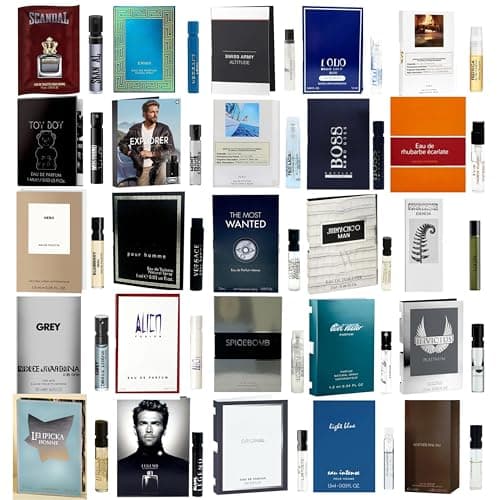
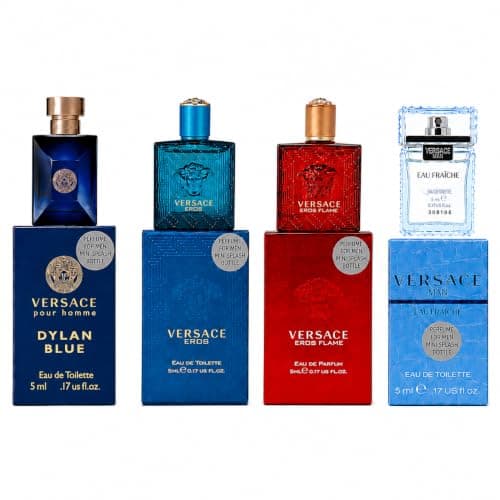
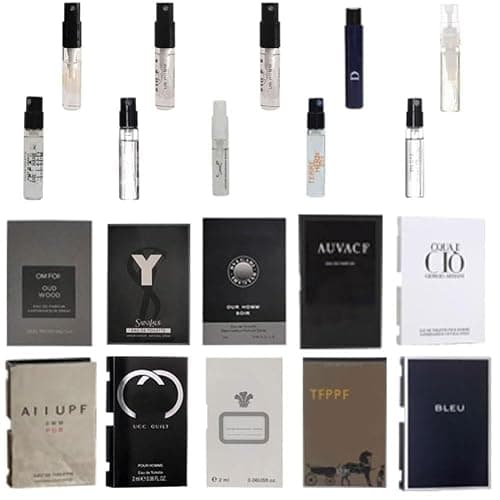
Sampler sets exist precisely for this problem, and they are the three picks above. The ten-vial designer sampler is the standard recommendation: ten popular designers, enough of each for a proper multi-day wear, for a fraction of one bottle. The twelve-brand sampler spreads wider across houses, which is the right call if you have no idea yet which family you like — across twelve brands some will land and some will not, and that is the trade for the range. And a four-piece Versace mini set is the other shape of the same idea: rather than one vial each of ten houses, several wearable minis from one house, which is the better test if you already know the house and are choosing between its bottles.
Spending a small amount to avoid a bad hundred-dollar blind buy is the best-value move in this entire hobby. Our sampler set ranking covers the field, and subscription boxes are the monthly version of the same strategy.
If a fragrance keeps dying on your skin
Assume dry skin before you assume anything else. Apply unscented moisturizer to the spots you spray, let it absorb, then spray — it is not folklore, it is the oil-solubility point above, and it is the one change that reliably helps. Then move up a concentration: an EDP has more perfume oil than an EDT and will outlast it on the same skin. Our longevity guide has the full list, the concentrations guide explains the labels, and if performance is the whole priority our longest-lasting ranking is built around it.
How to read other people's reviews after all this
Not as predictions, as descriptions. A review is reliable on what a fragrance is made of and what it is trying to be, and much less reliable on how long it will last on you or how loud it will be. That is also how we write ours, and it is why every verdict on this site is paired with a plain "don't buy this if" rather than a score pretending to be a measurement. Our methodology page says exactly what our judgments are and are not based on.