A flanker is a new fragrance released under the name of an existing one, sharing some of its attributes — the name, the packaging, or some of its notes. That is close to Wikipedia's definition and it is deliberately loose, because the category is loose. A flanker can be a genuinely better version of the fragrance it is named after; it can be the same idea in a different concentration; or it can be an almost entirely unrelated scent that borrows a successful name and a gold box. All three are on the shelf at your nearest department store right now, sitting next to each other, and nothing on the packaging tells you which is which.
This matters because it is the single most expensive mistake in mainstream fragrance buying. Someone likes 1 Million, sees 1 Million Parfum, assumes it is a stronger 1 Million, pays more, and gets a leather fragrance by different perfumers that they did not want. The same story plays out with Eros and Eros Flame, with Sauvage and Sauvage Elixir, and with the entire Acqua di Gio shelf.
Why houses make them
Because launching a new fragrance is expensive and risky, and launching a new version of a proven one is neither. A famous name arrives with its own shelf space, its own search traffic and its own existing customers, so a flanker can be profitable at a fraction of the marketing cost of an original. Wikipedia's examples trace how far this goes: Dior's 1985 Poison was followed by Tendre Poison (1994), Hypnotic Poison (1998), Pure Poison (2004), Midnight Poison (2007) and Poison Girl (2016); Issey Miyake's 1992 L'Eau d'Issey was followed by a men's version in 1994 and a Florale in 2011; and Paco Rabanne's 2008 1 Million was followed in 2010 by Lady Million, in deliberately similar packaging.
The four kinds, and how to tell them apart
There is no official taxonomy, but in practice every flanker you will meet is one of four things, and working out which takes about thirty seconds once you know what to look at.
- A concentration step. Same fragrance, more perfume oil, longer wear. The clue is the label: EDT, EDP, Parfum, Elixir, Extrait — a word that describes strength rather than an adjective that describes mood. These are the safest flankers to buy blind if you already like the original, because the signature usually survives.
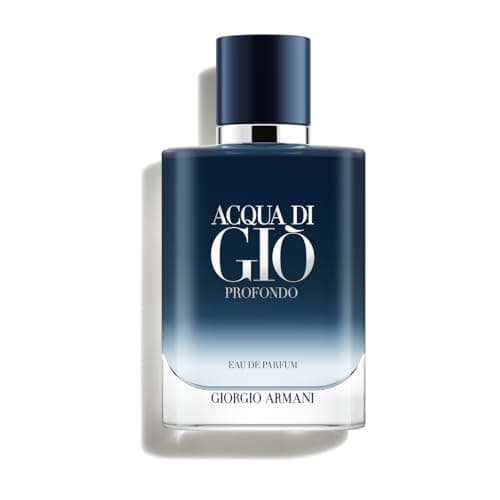
- A real reformulation of the same idea. The house keeps the concept and rebuilds the composition — sometimes to go deeper, sometimes to fix a weakness. Acqua di Gio Profondo is the textbook case: the same marine idea, gone darker, in an EDP that performs completely differently.
- A different fragrance with a borrowed name. The adjective in the name is doing the work: Flame, Noir, Intense, Sport, Gold, Lucky. These share a bottle shape and essentially nothing else. Versace Eros Flame has no mint-and-apple opening at all.
- A seasonal or market variant. Summer editions, limited editions, regional exclusives. Usually a lighter, shorter interpretation; rarely worth a premium.
The thirty-second test
Before you buy anything whose name is a famous fragrance plus a word, ask four questions. Is the extra word a strength or an adjective? Strength words usually mean the signature is intact; adjectives usually mean a different scent. Does the published note list share the original's signature? If the thing you actually like about the original — the mint, the pineapple, the bergamot — is missing from the list, it will be missing from the bottle. Are the perfumers the same? Different noses usually mean a genuinely different fragrance. Is it newer than the original by a decade or more? The further apart the launch dates, the more likely the flanker is chasing a current trend rather than extending the original.
Everything in those four questions is published and free to check. Our guide to fragrance notes covers how to read a pyramid without being misled by it, and our concentrations guide explains what the strength labels genuinely mean in hours and in oil load.
The flankers we would actually buy
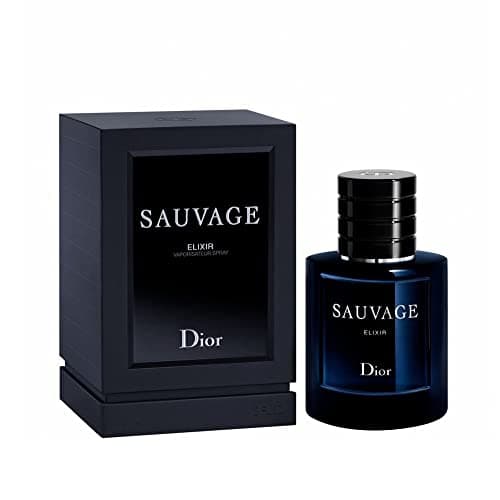
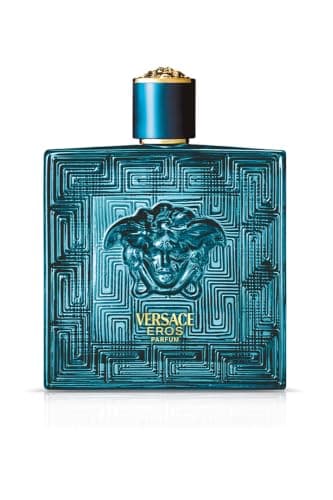
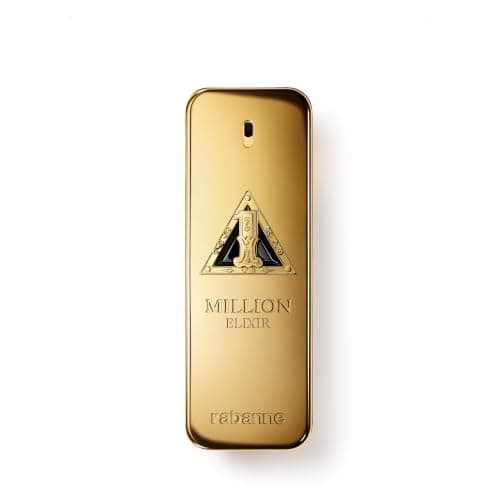
The four picks above are the ones in our catalog that pass the test and improve on what they are named after. Acqua di Gio Profondo is the rebuild done right — the marine classic gone deeper and darker, in an EDP that lasts a full day while sitting close to the body. Dior Sauvage Elixir is the extreme end: a concentration step so large it is effectively a different fragrance, dense and spicy where the EDT is bright, and one of the strongest-performing things at any designer counter. Versace Eros Parfum is the honest concentration step — the mint-and-apple signature intact but rebuilt on tonka, benzoin and patchouli instead of a sugar rush. And 1 Million Elixiris the one that fixes its original's biggest problem, trading the cinnamon-and-leather blast for something boozier and far easier to be near.
Each of them has a page that goes further: which Sauvage to buy compares all five concentrations; Eros vs Eros Flame separates a concentration step from a borrowed name inside one line; and the Rabanne house roundup names the five Million bottles we deliberately do not rank.
When a flanker is the better buy than the original
More often than purists admit. If the original is a fragrance you like but find too young, too sweet or too short-lived, the flanker shelf is where those three complaints get answered — and you are buying with far less risk than a blind purchase of something new, because you already know how the core of it sits on your skin. This is the whole argument of our 30s ranking: graduate rather than start over.
When it is a waste of money
Three situations. If you are happy with the original and the flanker is a concentration step, the upgrade you are paying for is longevity, not a new fragrance — worth it if your bottle goes quiet by lunchtime, not worth it otherwise. If the extra word is an adjective and you have not smelled it, you are blind-buying an unknown fragrance at a premium price. And if the flanker is a seasonal or limited edition, you are usually paying extra for a lighter version with no resupply.
How to buy one without guessing
Sample it. A flanker is the purchase where this matters most, because your mental model of the fragrance is confidently wrong — you think you know how it smells, and the whole problem is that you do not. A sampler set or a decant costs a fraction of a bottle; our guide to finding your signature scent covers how to test properly, and why fragrance smells different on different people explains why someone else's review of a flanker is a weaker guide than usual. Finally, check which bottle the listing is actually selling: flanker packaging is near-identical by design, and a suspiciously cheap listing for a premium flanker is usually a different, cheaper bottle in the same line — see how to spot fake cologne for the other explanation.