Fragrance Guides
Fragrance Guides
The vocabulary and the basics, explained plainly — no gatekeeping, no jargon.
Sillage & Smoke is reader-supported. We earn a commission when you buy through our Amazon links, at no extra cost to you. It never changes our verdict — and we say so when the cheaper bottle is the smarter buy. How this works.

Fragrance has a lot of jargon, and most of it exists to make the hobby sound more exclusive than it is. It isn't. Strip away the vocabulary and buying a fragrance well comes down to a handful of simple ideas. These guides hand you that vocabulary in plain English, so you can read any review or product page and know exactly what it's promising — the name of this whole site included.
The five words that actually matter
- Notes. The individual smells in a fragrance, described in three tiers. Top notes are the first impression and burn off in minutes; heart notes carry the body for a few hours; base notesemerge as it dries down and can linger all day. The "dry-down" is that final base stage.
- Concentration.How much perfume oil is in the liquid — the difference between an EDT, an EDP and a parfum. More oil generally means richer and longer-lasting, not "better." It's the most misunderstood spec in fragrance, so we gave it its own guide.
- Longevity. How many hours a scent lasts on your skin before it fades to nothing.
- Sillage.Pronounced "see-yazh," from the French for a ship's wake — the scent trail you leave behind you as you move. Half our name, and worth understanding properly.
- Projection.How far a scent radiates while you stand still — your scent "bubble." A fragrance can project strongly but leave a small sillage, or the reverse.
Get those five straight and ninety percent of fragrance writing suddenly makes sense.
What each guide covers
- Cologne vs. perfume — why "cologne" means two different things (a specific light concentration, and the everyday American word for men's fragrance), and how not to get tripped up by the label.
- Cologne concentrations explained — EDC, EDT, EDP and parfum, what the percentages mean, and when the pricier concentration is worth it versus when it isn't.
- How to apply cologne — where to spray, how much, whether to rub (don't), and how to make a fragrance last without choking the room.
- What is sillage? — the trail a fragrance leaves, why it matters, and how it differs from projection and longevity.
- Cologne vs. aftershave — the other bottle in the same cabinet, what actually separates the two, and why wearing aftershave as a fragrance disappoints most people.
- How to layer fragrances — combining two scents on purpose: which pairings work, which are a waste of good perfume, and the order to apply them in.
- What does musk smell like? — the note in the base of almost everything, why every musk you can buy is synthetic, and why it smells like clean laundry to you specifically.
How the basics change what you buy
These aren't trivia. Knowing that concentration means intensity, not quality, stops you overpaying for a parfum when an EDT would serve you better. Knowing how heat and skin chemistry interact with a scent family stops you buying a heavy winter amber you'll never wear in July. Knowing the difference between projection and longevity stops you returning a "weak" fragrance that was actually just sitting close to the skin — exactly where an office scent belongs. Read a couple of these, then head to the flagship rankingand buy from a place of actually knowing what you're choosing.
Everything in this hub
All fragrance guides
Guide
Cologne vs Perfume: What's the Difference?
The difference between cologne, perfume and everything in between — in plain English.
Read the guide →Guide
Cologne Concentrations Explained: EDC, EDT, EDP & Parfum
EDC, EDT, EDP and parfum — what the percentages mean and when to pay for more.
Read the guide →Guide
How to Apply Cologne (Properly)
Spray it right: placement, sprays, and the moves that make a scent last all day.
Read the guide →Guide
What Is Sillage? (And Why It Matters)
The scent trail you leave behind — what sillage is and why it matters.
Read the guide →Guide
Cologne vs Body Spray: What's the Difference?
Concentration, longevity, cost per wear and the honest case for each — cologne and body spray compared.
Read the guide →Guide
Cologne vs Aftershave: What's the Difference?
Aftershave is skincare that happens to smell nice; cologne is fragrance. What each does, and how to wear both.
Read the guide →Guide
Cologne vs Deodorant: Do You Need Both?
Why deodorant and cologne solve different problems — and how to wear both without the two scents fighting.
Read the guide →Guide
Fragrance Notes Explained: Top, Heart and Base
Top, heart and base notes, how a fragrance develops on skin, and how to read a pyramid before you buy.
Read the guide →Guide
How to Make Cologne Last Longer
The application, skin-prep and storage fixes that genuinely extend wear — and the myths that do nothing.
Read the guide →Guide
How Many Sprays of Cologne Should You Use?
Spray counts by concentration, occasion and season — and how to tell when you have overdone it.
Read the guide →Guide
How to Choose Your First Cologne
A plain-English process: pick a family, pick a strength, set a budget, test properly, then commit.
Read the guide →Guide
How to Store Cologne (and Does It Expire?)
Where to keep a bottle, how long fragrance really lasts, and how to tell when one has turned.
Read the guide →
Guide
What Is a Fragrance Dupe?
Clone versus counterfeit, why dupes are legal, and how close an imitation actually gets.
Read the guide →Guide
How to Spot Fake Cologne
The packaging, bottle, spray and scent tells that give a counterfeit away — plus how to avoid them entirely.
Read the guide →Guide
Where to Buy Cologne Online
Department stores, discounters, marketplaces and decant sellers compared on price, risk and selection.
Read the guide →Guide
How to Layer Fragrances
Which combinations work, the order to apply them, and why most layering attempts go wrong.
Read the guide →Guide
How to Build a Fragrance Wardrobe
How many bottles you actually need, which roles to fill first, and how to stop buying the same scent twice.
Read the guide →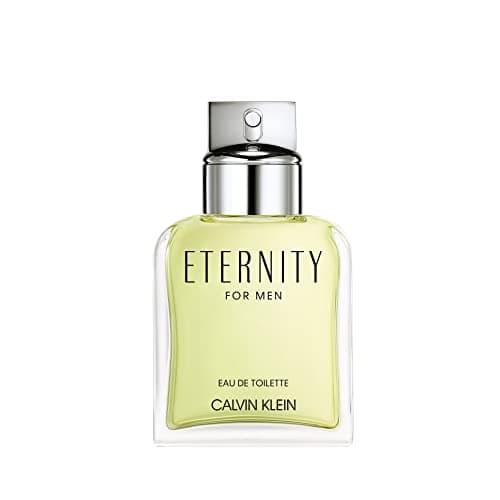
Guide
What Is a Fougère Fragrance?
The barbershop family explained — lavender, coumarin, oakmoss — plus four picks from the textbook classic to the modern best-seller.
Top pick: Calvin Klein Eternity For Men
Guide
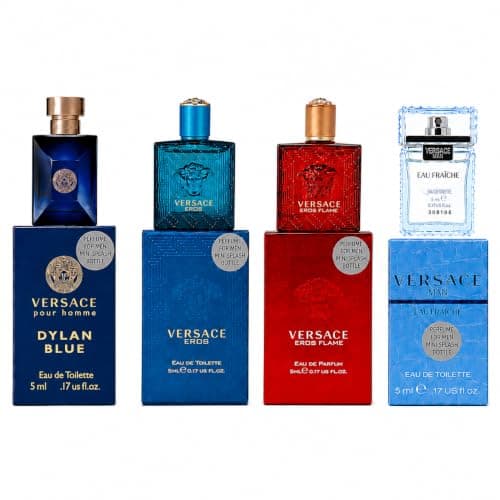
Can You Bring Cologne on a Plane?
The TSA and FAA rules for cologne in carry-on and checked bags, in plain English — plus how to pack it and three travel-friendly sets.
Top pick: Versace 4-Piece Mini Gift Set for Men
Guide
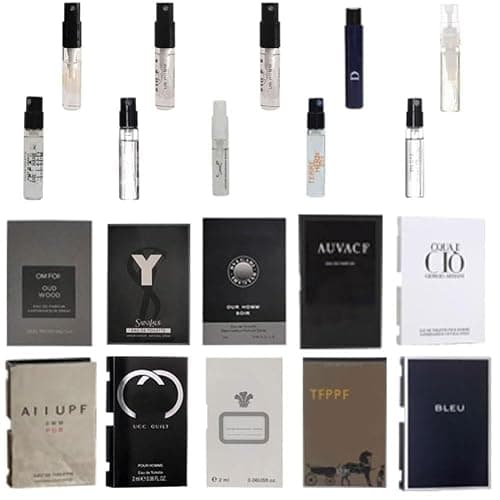
What Size Cologne Should You Buy?
How to choose between 30, 50 and 100 ml — why cost per millilitre misleads, how to measure your own use, and when the big bottle is right.
Top pick: Designer Cologne Sampler Set (10 Vials)
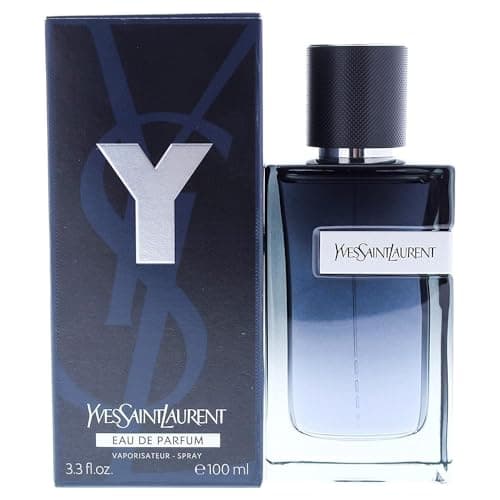
Guide
How to Find Your Signature Scent
What a signature scent actually is, the four tests it has to pass, how to sample without wasting money — and four candidates that pass.
Top pick: YSL Y Eau de Parfum
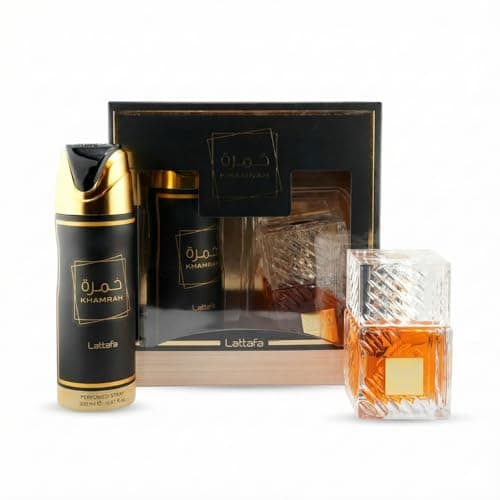
Guide
Is Cologne for Men or Women? Unisex Fragrance, Explained
Cologne is a concentration, not a gender. What the labels actually mean, how to shop across the aisle, and three picks sold to both.
Top pick: Lattafa Khamrah
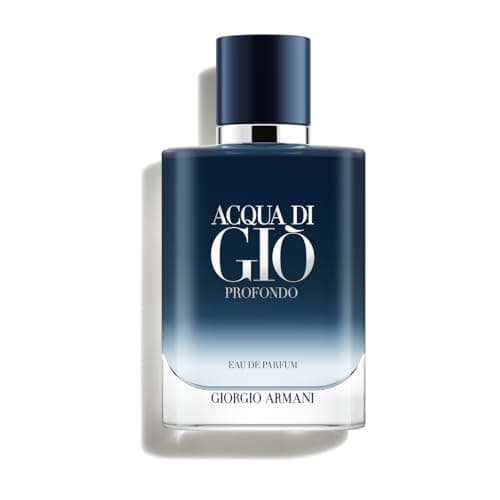
Guide
What Is a Flanker Fragrance?
Why the shelf has six bottles with almost the same name, how to tell an upgrade from a different fragrance, and four flankers that genuinely beat the original.
Top pick: Armani Acqua di Gio Profondo
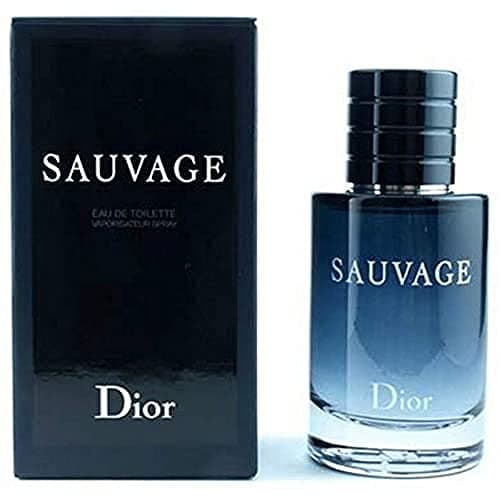
Guide
What Does Ambroxan Smell Like?
The molecule behind an enormous share of modern men's fragrance — what it smells like, why it lasts, and four bottles that show you what it does.
Top pick: Dior Sauvage EDT
Guide
Why Cologne Smells Different on Different People
Skin oil, pH, dryness and nose blindness explained — why a reviewed fragrance can smell wrong on you, and the cheap way to find out before you buy.
Top pick: Designer Cologne Sampler Set (10 Vials)
Guide
Is Cologne a Good Gift?
When cologne is a great gift and when it is a bad one — plus how to choose for someone whose taste you do not know, and four options that work.
Top pick: Designer Cologne Sampler Set (10 Vials)
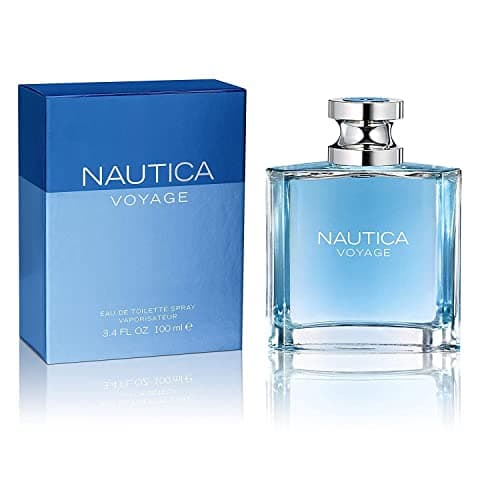
Guide
How Much Should You Spend on Cologne?
What each price band actually buys, where the improvements stop, and the cost-per-wear maths that beats comparing stickers.
Top pick: Nautica Voyage
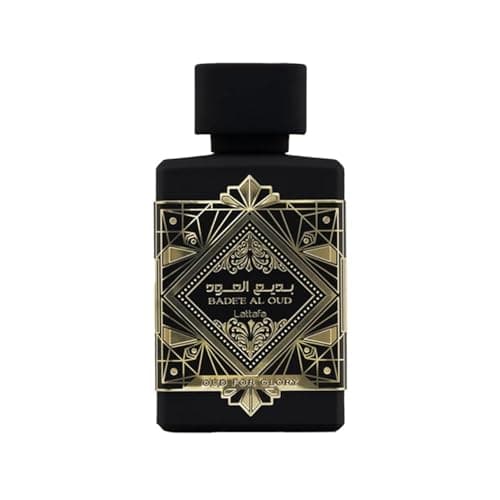
Guide
What Does Oud Smell Like?
What agarwood actually smells like, why it costs what it does, and four cheap bottles ordered by how much oud you really get.
Top pick: Lattafa Bade'e Al Oud Oud for Glory
Guide
Is Lattafa a Good Brand?
Who Lattafa is, whether its bottles are dupes, where the quality is genuinely good and where it is not — plus the four to start with.
Top pick: Lattafa Khamrah
Guide
What Is a "Blue" Fragrance?
The informal label explained: what blue fragrances share, where the genre came from, and four bottles that show the range inside it.
Top pick: Dior Sauvage EDT
Guide
What Does Amber Smell Like?
The warm resinous accord behind most winter fragrances: what makes it, what it has to do with ambergris, and four bottles that show its range.
Top pick: Lattafa Khamrah
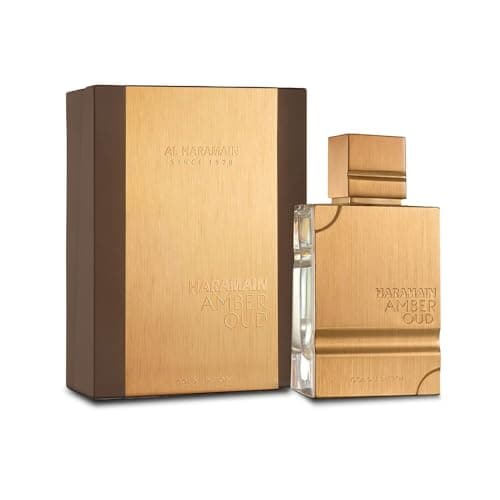
Guide
What Is a Niche Fragrance?
Niche vs designer, honestly: what the word means, why big groups bought most of the niche houses, and three bottles that scratch the itch for designer money.
Top pick: Al Haramain Amber Oud Gold Edition
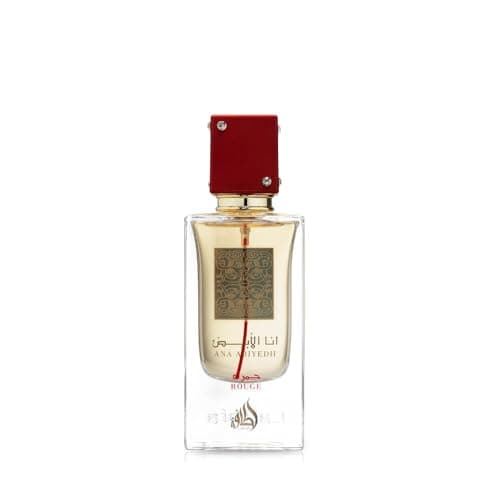
Guide
What Does Musk Smell Like?
What musk actually smells like, why every musk on the shelf is synthetic, and four bottles that put it in the base where you can smell it.
Top pick: Lattafa Ana Abiyedh Rouge
Guide
What Is a Gourmand Fragrance?
The edible category explained: what counts as gourmand, the 1992 perfume that started it, and four bottles that show you the register cheaply.
Top pick: Lattafa Khamrah
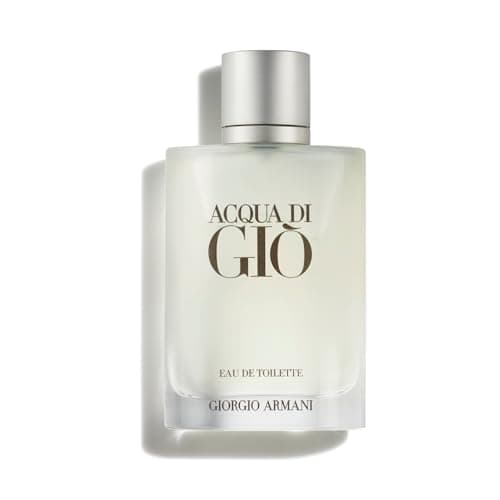
Guide
Fragrance Families Explained
All eight published families in plain English, with the catalog bottle that demonstrates each one — and the honest gaps where we have none.
Top pick: Armani Acqua di Gio
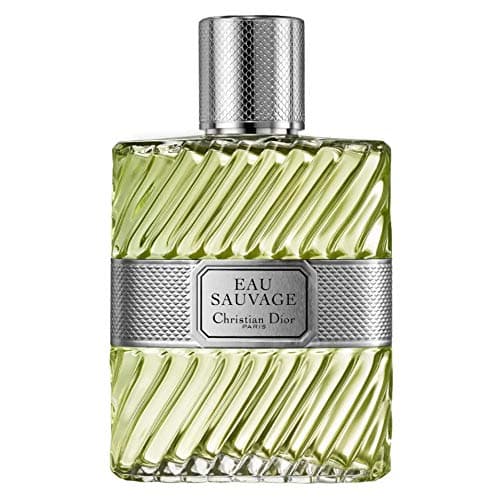
Guide
What Does Bergamot Smell Like?
The most-used top note in perfumery, explained: what bergamot is, what it does in a blend, and four bottles that show it off.
Top pick: Dior Eau Sauvage
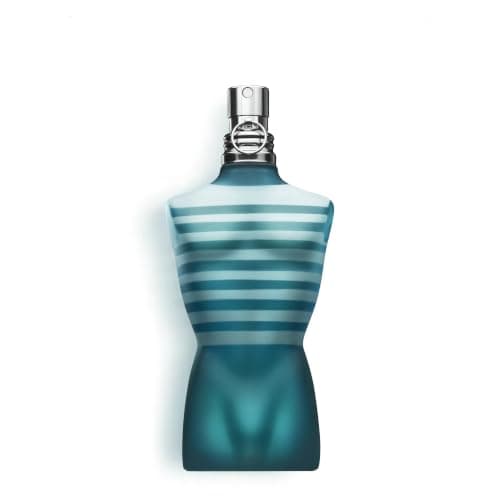
Guide
What Does Tonka Bean Smell Like?
Hay, almond and vanilla from a South American seed: what tonka is, why the FDA banned it in food, and four bottles where you can smell it.
Top pick: Jean Paul Gaultier Le Male
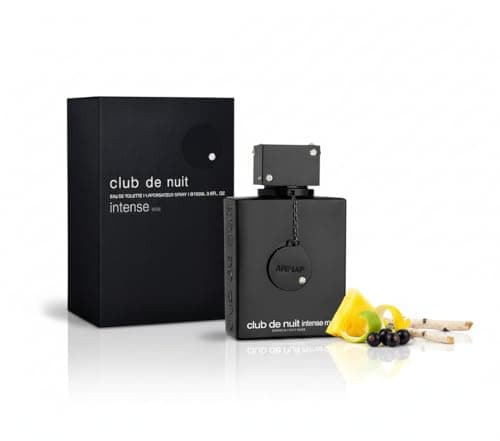
Guide
Why Can't I Smell My Own Cologne?
Olfactory fatigue explained, why other people still smell what you cannot, and what to buy if you genuinely need a fragrance that reads loud.
Top pick: Armaf Club de Nuit Intense Man