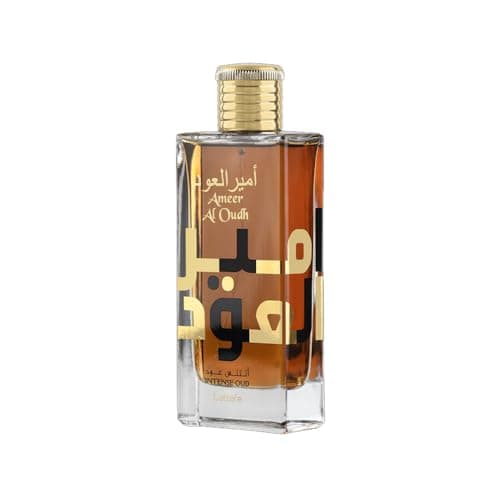
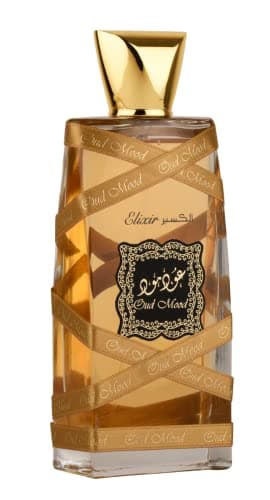
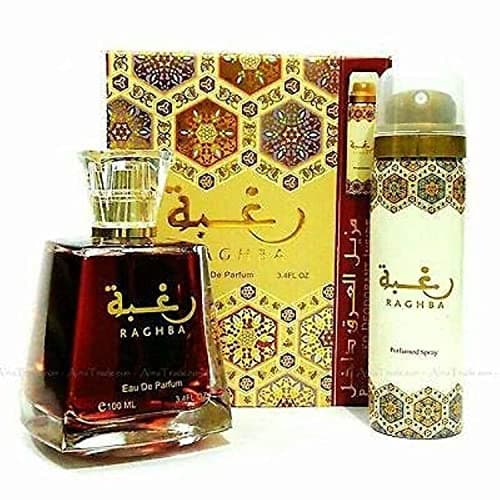
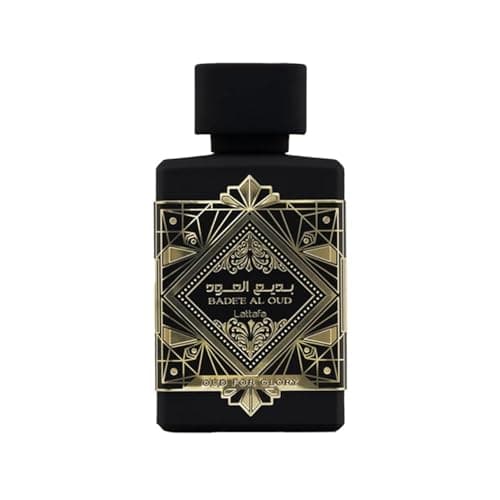
Oud smells like warm, resinous, slightly sweet wood — closest to sandalwood or cedar with leather and incense wrapped around it, and at full strength with a damp, animalic, almost barnyard note underneath. That last part is the reason oud divides people. Everything about the note is a question of how much of it a fragrance actually contains, and in the bottles most Westerners meet, the answer is "a little" — which is why the usual reaction is not disgust but surprise that it is pleasant.
What oud actually is
Oud — also written oudh, and called agarwood — is not a plant. It is what happens to one when it gets sick. Trees of the genus Aquilaria produce a dark, fragrant resin in their heartwood in response to infection by a mould, Phaeoacremonium parasitica. An uninfected tree is pale and worthless to perfumery; an infected one produces the resin-saturated wood that oud oil is distilled from. That is the whole economic story of oud in one sentence: the raw material requires a tree to be diseased, and it cannot be reliably forced.
The scarcity is not marketing. Wild sources have been depleted to the point of international regulation — Aquilaria malaccensis was listed under CITES Appendix II in 1995 and all Aquilariaspecies were listed in 2004, restricting trade. Real distilled oud oil is one of the most expensive materials in perfumery. Which means the practical question for a shopper is not "is this real oud" but "how much of the smell am I buying, and from what".
The three things people mean by "oud"
Traditional Gulf oudis the dry, smoky, leathery, faintly medicinal profile — oud as the main event, often with saffron and rose. This is the register that surprises first-time Western wearers, and the one that reads as "expensive and strange" rather than "good smell".
Western designer oudis usually oud as a seasoning: a woody-amber fragrance with a little oud accord in the base for warmth and depth. If you have smelled a department-store bottle with "oud" on it and thought it smelled like sweet wood rather than anything exotic, that is why.
Gulf-house value oud — the tier the picks below come from — sits between the two. These are eau de parfums from houses like Lattafa that take the traditional profile and smooth it with amber, vanilla or fruit until it is wearable for someone who has never worn oud before. They are also, by a wide margin, the cheapest honest way to find out whether you like the note.
What to look for before you buy an oud
Four things, in this order. One: where it sits on the dry-to-sweet axis. A dry, leathery oud and a sweet amber-oud are completely different wearing experiences; most of the disappointment with this category comes from buying one expecting the other. Two: the supporting notes. Saffron pushes an oud towards the traditional register; vanilla, dates and fruit pull it towards the approachable one. Three: the season and the room. Oud is a cold-weather, evening note almost without exception, and it is a big decision to make on behalf of a shared office — our office ranking deliberately contains none of it. Four: whether the house publishes a note pyramid at all. At this price tier, plenty do not, and a bottle we cannot source is a bottle we will not rank.
The four picks below are ordered by how much oud you actually get, not by our overall scores — the one place on this site where we deliberately depart from the rubric order, because for this question the gradient is the useful information. Every note structure comes from Lattafa's own product page for that bottle, cited in Sources. If you want them ranked as purchases instead, best oud fragrance for beginners does exactly that.
One more thing worth knowing about these two Lattafa bottles
Lattafa publishes two contradictory note lists for both Oud for Glory and Ameer Al Oudh Intense on its own product pages — a "Fragrance Notes" block and a "Product Information" paragraph that do not agree. We use the Product Information pyramid on both, because it matches how the fragrances are universally described and the surrounding prose supports it, and we state the contradiction rather than presenting either list as settled. The Oud for Glory review gives it a section of its own.
Where oud fits in a collection
Last, usually. An oud is a specialist bottle: it is the thing you reach for on a cold evening when you want to smell like you made a decision, and it is the wrong answer for a Tuesday morning. If your shelf has no versatile daily driver on it yet, buy that first — our fragrance wardrobe guide sets out the order that wastes the least money, and fragrance notes explained covers how notes and families actually work. If you want oud's warm neighbour instead, read what amber smells like.