Amber smells warm, sweet and resinous — somewhere between honey, vanilla, dry wood and incense, with a soft powdery edge. It is the note that makes a fragrance feel like a heavy coat rather than a cold shower, and it is the reason almost every fragrance recommended for winter has amber somewhere in its base.
Amber is an accord, not an ingredient
This is the thing worth knowing before anything else. "Amber" in a note list almost never refers to a single raw material; it refers to a blend perfumers build to a familiar shape. The main ingredient in that blend is labdanum, a sticky brown resin from two rockrose species, Cistus ladanifer and Cistus creticus, extracted by boiling the leaves and twigs — and historically collected by combing it out of the beards and thighs of goats and sheep that had grazed through the shrubs. Labdanum's own smell is described as amber, sweet, woody, powdery, fruity, animalic, ambergris-like, dry musk and leathery, which is a remarkable amount of territory for one material to cover. It is "the main ingredient used when making the scent of amber in perfumery". Perfumers round it out with benzoin, vanilla and resins to taste.
Two things amber is not. It is not the fossilised tree resin sold as jewellery — that is a different substance, and the perfume accord simply borrowed its colour and its warmth as a name. And it is not ambergris, though the confusion is at least justified: labdanum is "much valued in perfumery because of its resemblance to ambergris", and became the practical substitute once ambergris became scarce and legally restricted.
The ambergris side of the story
Ambergris is a waxy substance formed from a secretion of the bile duct in the intestines of sperm whales — produced by only around one percent of them — which floats at sea for years before washing up. Fresh, it smells marine and faecal; aged, it acquires a sweet, earthy scent, and it was prized as a fixative that made fragrances last far longer. It is now restricted in the United States under the Endangered Species Act of 1973 and banned outright in several other countries.
What replaced it is the reason modern fragrance smells the way it does. Ambrein, a scentless compound in ambergris, oxidises into ambroxide and ambrinol — the actual odour components — and ambroxide is now made synthetically and used extensively across the industry. That is the same ambroxan behind the entire fresh "blue" shelf, which means amber and ambroxan are chemical cousins pointed in opposite directions: one warm and sweet, one cool and salty. Our ambroxan guide and guide to "blue" fragrances cover that other direction.
The three kinds of amber you will actually meet
Sweet amber— amber plus vanilla, dates, caramel or dried fruit. This is the register that dominates the Gulf value tier and most modern winter designers, and it is what people usually mean when they say a fragrance is "warm and sweet". Dry or smoky amber — amber plus incense, dry wood or leather, with the sugar pulled out. Older and more formal-reading. Spicy amber— amber plus cinnamon, pepper or saffron, which is the direction most "boozy" cold-weather designers take.
What to look for before you buy an amber fragrance
Check what is sitting on top of the amber, because the base is the part these fragrances share and the top is the part that differentiates them: vanilla and fruit make it dessert, incense makes it serious, spice makes it a night out. Expect performance. Amber is heavy and it lasts — this is not a category where you will be reapplying, and it is a category where over-spraying is the standard mistake; two sprays, per our spray-count guide. Buy it for cold weather. Amber in July turns syrupy and oppressive on most people; our winter ranking is almost entirely amber-based for exactly that reason, and the summer ranking contains almost none of it. Be careful about the office. Sweet amber is the single most common reason a fragrance is too much for a shared room.
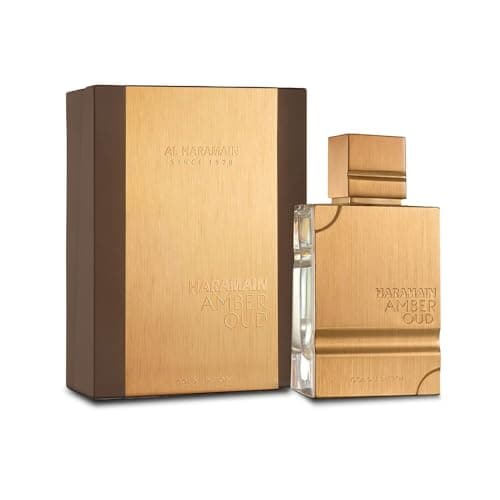
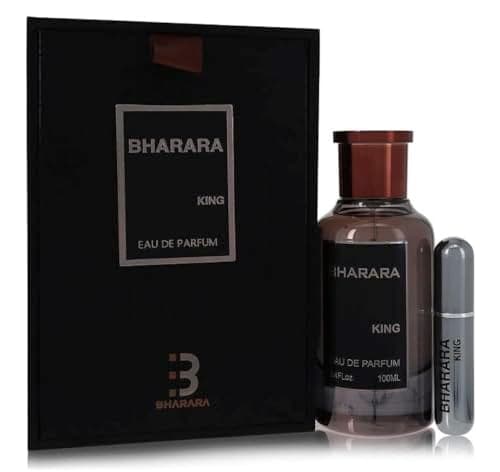
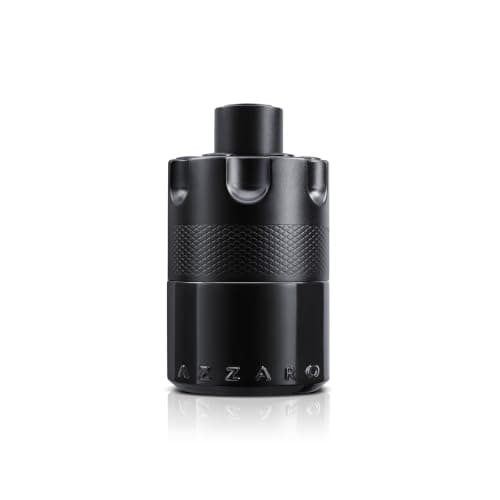
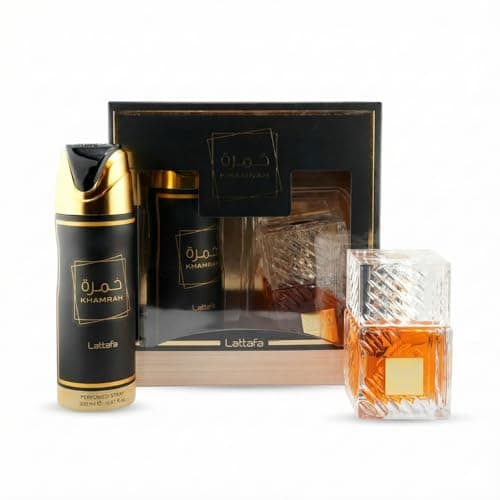
The four picks below are ordered by our rubric and chosen to span the range rather than repeat it — the famous sweet one, the resinous amber-oud, the loud budget projector and the spicy designer. If you want the warm shelf ranked as purchases instead, read best gourmand cologne and best spicy cologne.