A "blue" fragrance is not an official category. It is enthusiast shorthand for a cluster of fresh, clean, cool-smelling men's scents — usually citrus or marine on top, usually heavy on ambroxan, usually sold in a blue or clear-blue bottle — that are designed to be inoffensive and liked by almost everyone. If someone tells you a fragrance "smells blue", they mean it smells crisp, slightly salty or soapy, a bit synthetic in a deliberate way, and broadly like the other things on that shelf.
There is no blue family, and that is the useful part
No published fragrance classification contains a "blue" family. The Michael Edwards wheel in its 2010 revision works from four standard families — Floral, Oriental, Woody and Fresh — each divided into subgroups, and the closest thing to blue in any of the common taxonomies is "aquatic", which appears only as a subgroup inside other families (aquatic aromatic, aquatic fougère, floral aquatic, woody aquatic) rather than as a family of its own.
So "blue" is a marketing-and-community word, not a technical one. That does not make it useless — it describes a real and recognisable thing, which is why everybody uses it — but it does mean two bottles both called blue can sit in genuinely different families. Our notes and families guide covers the classification that does exist.
Where the genre came from
1988, and one bottle: Davidoff Cool Water, composed by Pierre Bourdon, with a published pyramid of mint, sea water and rosemary over lavender, jasmine, geranium and neroli, on oakmoss, musk and sandalwood. It established the fresh-marine men's fragrance as a commercial category, and the shelf you now see at every counter is downstream of it. We compare it directly with its modern cheap equivalent in Nautica Voyage vs Cool Water.
The second thing that happened was chemical. Ambroxan — the synthetic version of the main odour compound in ambergris — became cheap, enormously long-lasting and almost universally pleasant, and houses put it in everything. It is woody, musky, faintly salty and skin-like, and it is the single ingredient most responsible for modern blue fragrances smelling related to each other. Our ambroxan guide is the long version, and what amber smells like covers the warm end of the same chemistry.
What blue fragrances have in common
Four things, and you can check all of them on a listing before you buy. A citrus or marine opening— bergamot, grapefruit, "sea notes", calone-type freshness. An ambroxan or clean-musk base doing the longevity work. Little to no sweetness, which is what separates this shelf from the gourmand one. And deliberate inoffensiveness: these fragrances are engineered for the broadest possible approval, which is both why they work everywhere and why they are the most-worn and least distinctive scents on the market.
What to look for if you are buying one
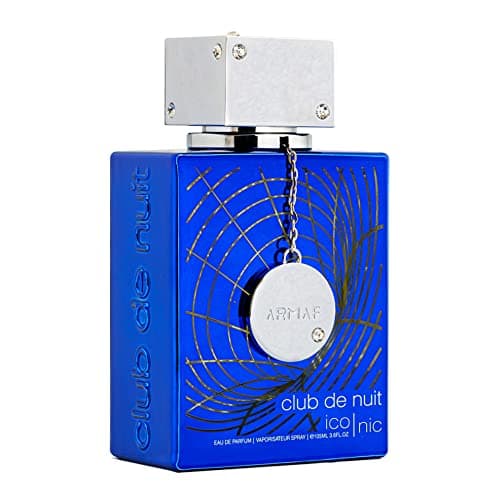
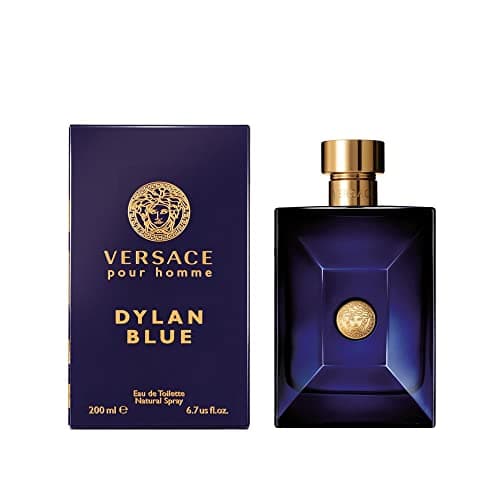
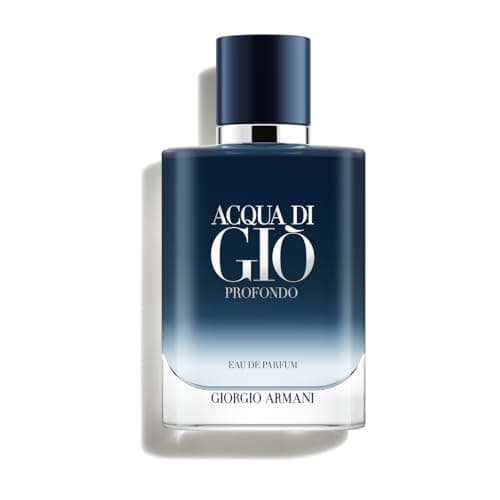
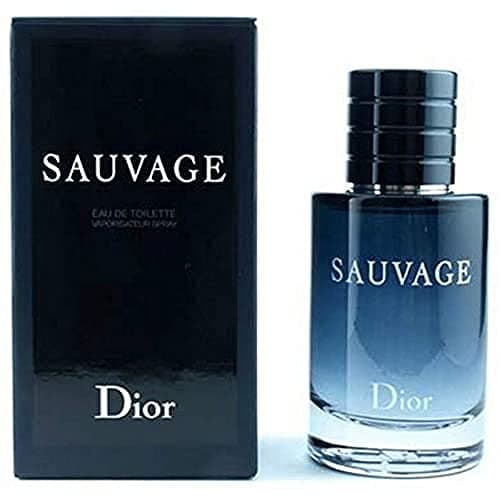
Decide which problem you are solving first, because the four picks below solve different ones and they are ordered by our rubric, not by price. If you want the definitive version and do not mind smelling like a lot of other people, that is Sauvage. If you want the cheapest competent one, that is Club de Nuit Iconic Blue, and we will say plainly that it is derivative. If you want the one that is literally named blue and has a smokier dry-down, that is Dylan Blue — see Eros vs Dylan Blue for whether it is the Versace you want. And if you want the grown-up one for a professional room, that is Acqua di Gio Profondo, which is the most controlled fragrance on this page.
The one thing we would steer you away from is buying a blue fragrance because it is safe and then being disappointed that nobody noticed. Safety and distinctiveness are opposite ends of the same dial. If you want to be noticed, the gourmand shelf and the Arabian tier are where to look instead, and how to find your signature scent is about exactly this trade-off.