Ambroxan smells woody, musky and slightly salty — a dry, mineral warmth with a faint ambergris character, more a texture than a recognizable smell. That is the short answer, and it is close to the published description: ambroxide, the compound sold under the trade name Ambroxan, is one of the key constituents responsible for the odor of ambergris, and its aroma is characterized as ambergris-like, sweet, dry, woody, with labdanum, pine, cedar and green facets. If you have ever described a modern fragrance as "clean but somehow powerful" and could not say what the powerful part was, this is very probably it.
Where it comes from
Ambergris, historically, came from sperm whales — which is both unpleasant and, for a modern industry, entirely impractical. Ambroxide is the answer. It occurs naturally as an autoxidation product of ambrein, and it is manufactured for perfumery from sclareol, a component of the essential oil of clary sage: the sclareol is oxidatively degraded to a lactone, hydrogenated to a diol, and dehydrated to give ambroxide. A newer patented route starts from homofarnesol instead and is reported to require around a hundred times less agricultural land than the clary-sage method.
So: a plant-derived or synthetic material that delivers one of the most valuable natural accords in perfumery, at scale, with no whale involved. It is also approved by the FDA as a food flavoring at very low levels, which is a useful thing to know the next time someone tells you "synthetic" means cheap.
Why it is in everything
Two reasons, and the second is the real one.
It is tenacious and substantive. Ambroxide clings to skin, fabric and hard surfaces and persists for many hours. That makes it a fixative — a material that holds the rest of a composition in place and slows its evaporation. A perfumer can build a bright, volatile citrus opening and have it still read as something at hour six, because ambroxan is underneath doing the holding. It is simultaneously a featured ingredient and a performance booster, and it is the reason a lot of modern fragrances last far longer than their note lists suggest they should.
It is near-universally liked and very hard to dislike. Clean, dry, slightly salty warmth is about as inoffensive as a base note gets. It does not read as sweet, floral, smoky or strange. For a house that needs a fragrance to sell to millions of people, that is an enormous commercial advantage — and it is why the post-2015 men's counter can feel like variations on one idea.
What it is doing in the bottles you know
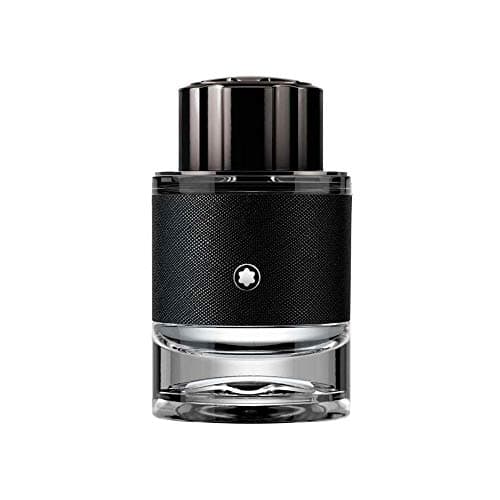
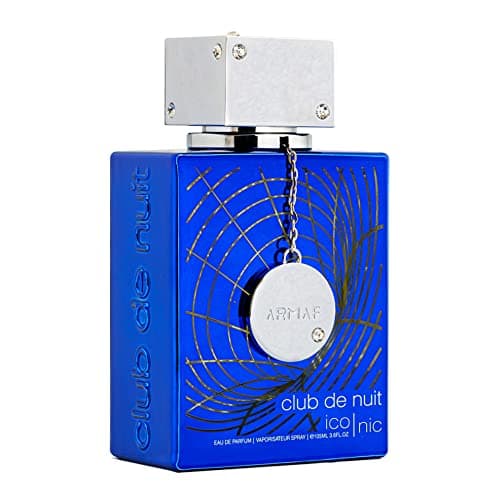
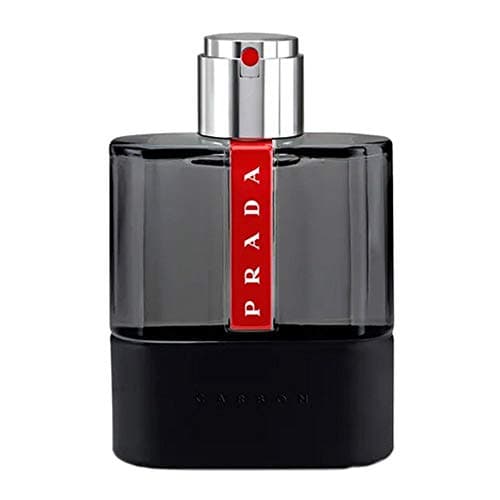
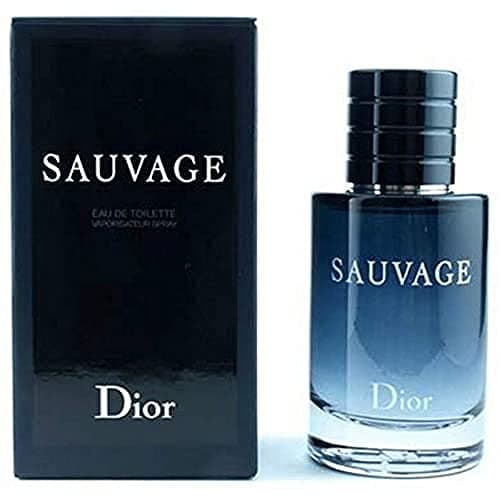
Dior Sauvage is the obvious case: bright bergamot over a large ambroxan base, which is exactly where its clean-but-powerful character comes from. Versace Eros lists ambroxan in its heart, sitting between the mint-and-apple opening and the vanilla base. Montblanc Explorer, Club de Nuit Iconic Blue and Prada Luna Rossa Carbon all work the same dry, mineral register from different angles. Our best fresh cologne ranking is, read a certain way, substantially a list of ambroxan fragrances — which is not a criticism of any of them, but it does explain why several of its picks smell like relatives.
The honest downside
Ambroxan fatigue is real, and if you have it you are not imagining it. When one material becomes the default base of an entire category, the category starts to smell the same. The common complaints — "everything smells like Sauvage," "modern colognes are all soapy-powerful," "nothing has any character" — are frequently complaints about this molecule specifically. A second, smaller issue: because ambroxan is so substantive, a heavy hand with an ambroxan-forward fragrance is more persistent than the same mistake with a citrus or a floral. Two sprays, not four.
If this describes you, the fix is to leave the family rather than keep sampling inside it. The gourmand, spicy and woody rankings are where the character lives, and our fougère guide covers the older men's family that dominated before ambroxan did.
Four bottles that show you what it does
If you want to find out whether ambroxan is a note you love or one you are tired of, these four approach it from different directions and cover the whole spread. Dior Sauvage EDTis the reference point — the most-worn men's fragrance on earth, and the clearest demonstration of what a big ambroxan base does under a bright citrus top. Its only real weakness is its own ubiquity. Montblanc Explorer takes the same clean-powerful idea into bergamot and vetiver territory, in EDP strength, at a mid price — the value way to test the register. Club de Nuit Iconic Blue is the budget version and proves the point about performance: an inexpensive fresh EDP with far more staying power than the price implies. And Prada Luna Rossa Carbon is the refined end — cool, clean and slightly metallic, with polite sillage rather than loud projection, which is the version of this family that works in an office, and the Luna Rossa Carbon review goes into why.
Note what that list does not include: anything sweet, warm or gourmand. That is the honest shape of this material. If you want warmth, ambroxan is not where you will find it.
How to tell if a fragrance is ambroxan-heavy before you buy
Read the published base notes. "Ambroxan," "ambrox," "ambroxide," "cetalox" and the vague "amberwood" or "woody amber" accords all point the same way; so does a note list whose base is thin on anything else. A second tell is the review language: "soapy," "clean," "sharp," "synthetic," "beast-mode for how light it smells" and "smells like Sauvage" are all describing this molecule. Our fragrance notes guide covers reading a pyramid properly, and what sillage means explains why an ambroxan fragrance can leave a big trail without smelling strong up close.
Is synthetic a problem?
No, and the question is worth answering directly because it comes up constantly. Ambroxide is a naturally occurring compound that happens to be manufactured rather than extracted — the molecule in your bottle is the same molecule, produced from clary sage or homofarnesol instead of from a whale. Almost every fragrance you have ever enjoyed, including the expensive ones, is substantially synthetic, and the materials perfumers can only obtain synthetically are a large part of why modern fragrance can do things that nineteenth-century fragrance could not. Our guide to dupes goes into where cheap synthetics genuinely do show — in the smoothness of a blend rather than in the fact of being synthetic.
Where to go next
If you like it, the aquatic and fresh rankings are your lane, and the Sauvage review is the single most useful page on this site for understanding what a well-made ambroxan fragrance is doing. If you are tired of it, the all-time rankingis deliberately weighted toward older compositions that predate the material's dominance.