What "of all time" should actually mean
Most greatest-of-all-time fragrance lists are just popularity rankings with older bottles on them. That is not very useful, so this page uses a narrower test: a fragrance qualifies if the category changed shape after it launched — if the things released afterwards were visibly responding to it.
That test rules out a lot of excellent fragrances. It rules in six, and it produces an uncomfortable second question that most lists skip entirely: influence and wearability are different things. A fragrance can be genuinely historically important and still be a poor buy in 2026, either because everyone copied it until the idea wore out or because the original has been reformulated into something thinner. We say which is which below rather than pretending a landmark is automatically a recommendation.
The six, and why they are here
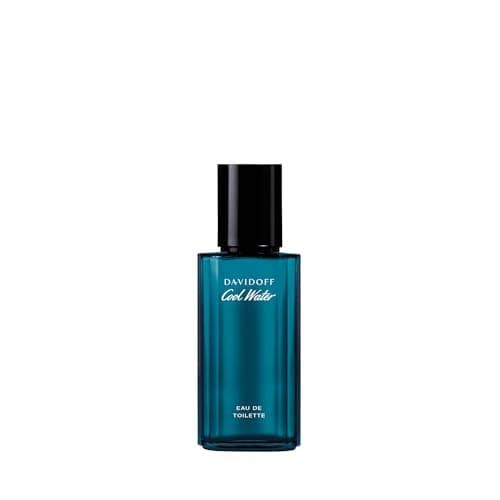
Davidoff Cool Water (1988)essentially invented the modern aquatic. Before it, fresh men's fragrance meant citrus and fougere; after it, an entire generation of blue bottles followed the same calone-driven sea-breeze idea. It is the most copied men's fragrance ever made, and it is still startlingly cheap — the full review covers how it holds up.
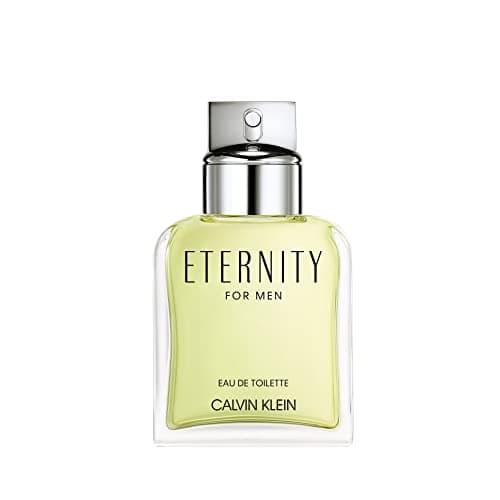
Calvin Klein Eternity For Men (1990)is the clean-fougere reference point — lavender, sage and soap done so plainly that it became the template for "smells like a competent adult." It is the least exciting bottle on this list and arguably the most quietly influential.
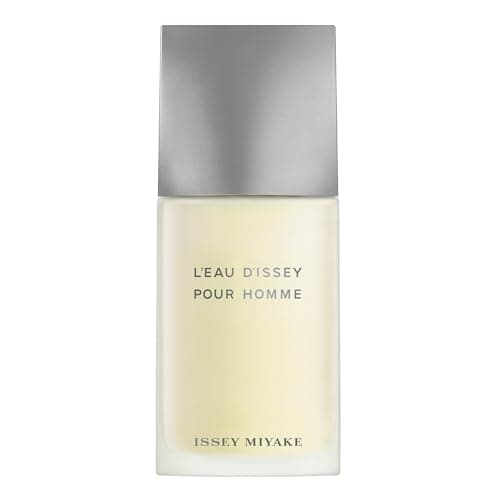
Issey Miyake L'Eau d'Issey Pour Homme (1994)proved a fragrance could succeed by being deliberately quiet. In an era of powerhouses, a restrained yuzu-and-sandalwood scent built for close range was close to heretical. Every modern "skin scent" owes it something.
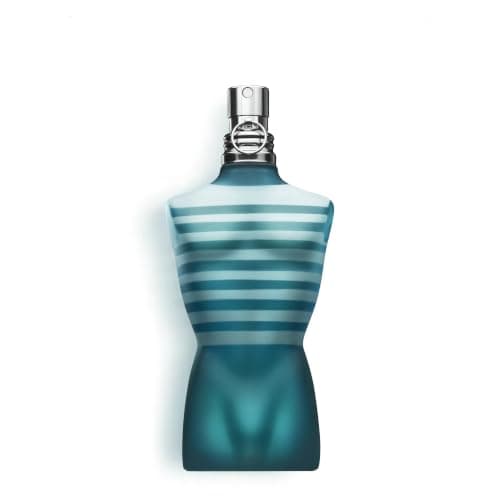
Jean Paul Gaultier Le Male (1995)made sweetness acceptable in men's fragrance. The vanilla-lavender-mint combination was genuinely shocking at the time and it is the direct ancestor of the entire modern gourmand shelf — including most of what is on our gourmand ranking today.
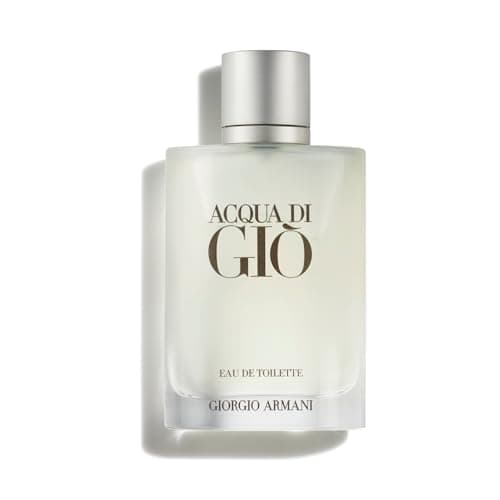
Armani Acqua di Gio (1996) refined what Cool Water started into something more elegant, and then sold in numbers that are difficult to comprehend. It defined the summer aquatic so completely that the category is still organized around it thirty years later.
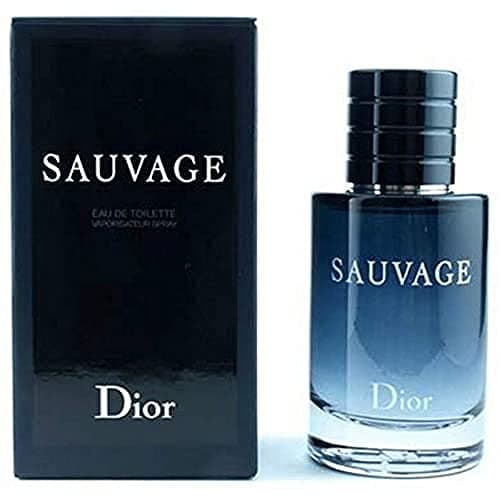
Dior Sauvage (2015) is the modern entry and the one that will annoy people, but the test is influence and Sauvage passes it easily. Its ambroxan-heavy structure has been imitated relentlessly for a decade — our Sauvage alternatives page exists precisely because of how many bottles chase it.
Which of them should you actually buy?
Three of these are still genuinely good purchases. Cool Water is remarkable value and still smells good, provided you accept that it will read as familiar. Acqua di Gio remains the cleanest execution of the summer aquatic and is a defensible signature. Sauvage is the safest crowd-pleaser money can buy, which is exactly why it is also the most common.
The other three come with conditions. L'Eau d'Issey is excellent but so quiet that a lot of people find it disappears. Eternity is a fine clean fougere that many younger wearers read as dated. Le Male is historically vital and extremely widely worn, which makes it a landmark rather than a distinctive choice.
The broader point is worth stating plainly: an all-time great is not the same as the right bottle for you. If you want something current and well-suited to your life rather than something historically important, our flagship ranking is the more useful page.
Buying a classic without buying a disappointment
Reformulation is the main risk with older fragrances and it is not a conspiracy theory. Regulations around certain aroma materials — oakmoss especially — have tightened significantly since the 1990s, and ingredient costs change. A fragrance in continuous production for thirty years has almost certainly been adjusted, and people who remember the original often find the current version thinner.
That does not make today's bottles bad. It does mean you should buy on how a fragrance smells now rather than on a decade-old recommendation, and it means sampling matters more with classics than with new releases. A discovery set is the cheap way to check before committing. Our 50s ranking ranks several of these same classics for the wearer they were composed for, with the reformulation question addressed bottle by bottle.
The second risk is counterfeits. Famous, long-running fragrances are the most faked products in the category, and the classics on this page are all heavily counterfeited. Buy from sellers with clear return policies and read our counterfeit guide before ordering from an unfamiliar marketplace listing — the tells are learnable.
Finally, calibrate on ubiquity. Every fragrance here has sold in enormous volume, which is precisely what earned it a place. If part of what you want is to smell like yourself, a landmark is a strange thing to buy, and the Arabian houses or the alternatives hub will get you further off the beaten path for less money.