The fragrance that created a genre
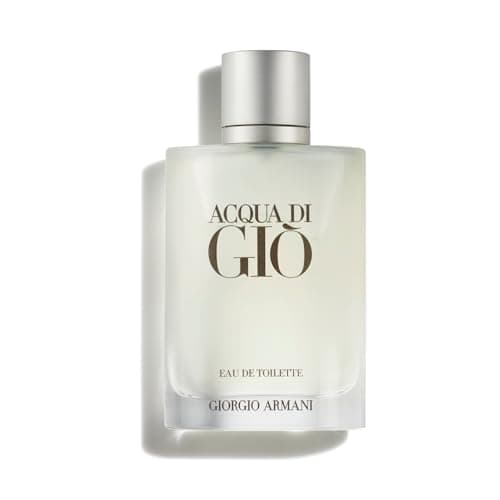
Acqua di Gio arrived in 1996 and rearranged men's fragrance around itself. Before it, aquatic scents existed; after it, they were the default. Practically every blue-bottled marine fresh scent on a department store counter today is downstream of this composition, and a remarkable number of them are still chasing it. That is the kind of influence very few fragrances ever have.
Three decades later the honest question is not whether it is important — it plainly is — but whether it is still the right bottle to buy. The answer is a qualified yes, with one significant caveat about performance. Scent impressions here are first-hand; longevity and projection figures are compiled from aggregated owner and community reports.
How it opens, how it wears
The opening is bright citrus over a distinctly saline, mineral freshness — the accord everyone describes as "sea air," and the one this fragrance essentially invented. It is crisp, clean and immediately recognizable, and it still smells good, which is not something you can say about every 1990s reference point.
The heart brings a light florals-and-herbs transparency, and the base settles into soft woods and musk. What is striking is the restraint: nothing about it is sweet, heavy or attention-seeking. It is a fragrance built to smell like clean skin on a warm day, and it hits that target precisely. It is essentially impossible to offend anyone wearing it.
Longevity and sillage — the caveat
Here is the honest weakness. The original EDT is light. Aggregated owner reports consistently describe modest longevity and modest projection, and on the metrics we compile it scores mid-range on both. It sits close to the skin and it fades earlier than most people expect from a fragrance with this reputation.
Some of this is genre — bright, citrus-forward aquatics are built on volatile materials that are structurally short-lived, as the notes guide explains. But some of it is simply that the original EDT was formulated in a lighter era. If longevity is your priority, the Parfum and Profondo flankers are where the performance lives, and that is the version to buy — not the original. (Profumo, the flanker that used to hold that job, was discontinued by Armani in 2024; Parfum is the house's own replacement for it, so ignore any list still pointing you at Profumo.)
If you stay with the EDT, plan around it: apply to moisturized skin, expect to reapply in the afternoon, and treat it as a fragrance you refresh rather than one you set and forget. The longevity guide covers how to get the most out of a light performer, and the longest-lasting ranking is the alternative if that trade-off is unacceptable.
Where it works
In heat, Acqua di Gio is close to perfect, and this is where its lightness stops being a flaw and becomes the point. Hot weather amplifies fragrance and turns heavier compositions cloying; a transparent saline citrus stays comfortable at temperatures that would ruin an amber. It anchors the summer cologne ranking for exactly that reason, and it works equally well in spring.
It is also genuinely office-safe. Nothing about it is loud, sweet or challenging, and its close-to-skin behavior is well-suited to shared air. In a warm office it may be the single most appropriate fragrance you can wear.
The ubiquity problem
It is everywhere, and it has been everywhere for thirty years. Anyone over a certain age has a strong association with it, and you will smell it on other people regularly. Whether that matters is personal: some people want a classic precisely because it is a classic, others cannot get past wearing the most-worn aquatic in history.
If the profile appeals but the ubiquity does not, there are fresher takes on the same idea with far less market saturation — several sit on the Arabian cologne and under-$50 lists, and they frequently out-perform the original on longevity.
Who should buy it, and who should skip it
Buy it if you want the reference summer aquatic, if you live somewhere hot, if you need something bulletproof for a warm office, or if you want a fragrance nobody will ever dislike. As a warm-weather default it remains excellent.
Skip the original EDT if longevity matters to you — buy the Parfum flanker instead. Skip it entirely if you want to smell distinctive, if you want presence and projection, or if you want a cold-weather fragrance, because it has very little to offer in winter.
Which version to buy
This is the decision that actually matters with Acqua di Gio, because the name covers a family rather than a single fragrance, and the versions behave very differently. Buying the wrong one is the most common way people end up disappointed by a scent that is otherwise well-regarded.
The original EDT is the reference — the lightest, the most transparent, and the one this review covers. It is the right choice if you want the classic marine profile for hot weather and accept that you will reapply. It is the wrong choice if you expect all-day performance.
The Parfum and Profondo flankersare darker, denser and considerably stronger. They trade some of the original's effortless transparency for the longevity the EDT lacks, and they extend the fragrance into cooler weather and evenings where the original has nothing to say. Profondo in particular appears on our office ranking precisely because it holds a workday. If you were sent here looking for Profumo, Armani discontinued it in 2024 and lists Parfum as the version that replaced it — anything still on a shelf is old stock.
The short version: buy the EDT for summer and heat, buy a flanker if longevity or cold weather matter. They are not interchangeable, and the concentration difference is doing most of that work — the concentrations guide explains why. If you are choosing between this and the other fresh designer icon, the Acqua di Gio vs Sauvage comparison puts the EDT, Profondo and both Sauvages side by side.
The smart buy
Acqua di Gio is a genuine classic that is still worth owning, provided you buy it for the right job: hot weather, daytime, close quarters. Buy the EDT if you want the original and accept the reapplication; buy the Parfum if you want the same idea with modern performance. Either way it is a supporting player in a collection rather than a one-bottle solution — the flagship ranking covers what to pair it with for the other half of the year.
If the longevity complaint above is what brought you here, the comparison to read next is Acqua di Gio vs Acqua di Gio Profondo — the 2020 rebuild by this fragrance's own perfumer, and the concentration that fixes exactly that.