The short answer
Buy Acqua di Gio if you want to smell like clean sea air in summer and you do not need it to last all day. Buy Sauvage if you want a fresh fragrance that projects hard, lasts a working day and works in every season.If you want the Acqua di Gio character with real performance, buy Profondo. If you want Sauvage's performance turned to maximum with none of its brightness, the Elixir exists, and it is a different fragrance altogether.
What they actually are
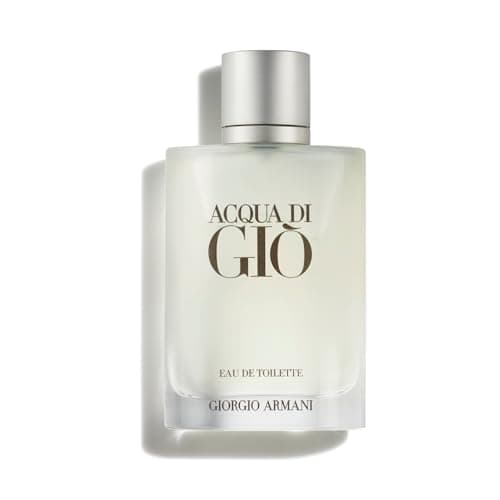
These two are often shopped as interchangeable "fresh designer colognes," and they are not. Acqua di Gio is the 1996 composition by Alberto Morillas, Annick Menardo and Christian Dussoulier that defined the marine-aquatic genre: crisp, salty, citrus-marine, effortless in heat, and impossible to offend anyone with. It is an EDT and it runs light — pleasant for a few hours, then a skin scent, then gone. Two decades of fresh fragrance took their cue from this bottle. The Acqua di Gio review covers it properly.
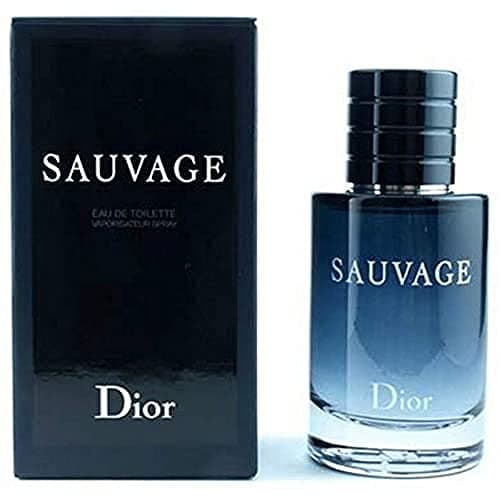
Dior Sauvageis François Demachy's 2015 aromatic fougère, and it is fresh in a completely different way: bright bergamot and pepper over a very large dose of ambroxan, the synthetic amber-musk that gives it a clean, radiant, faintly mineral hum that lasts most of a day. There is no sea in it. It is drier, louder and far longer-lasting than Acqua di Gio, and it is the best-selling men's fragrance on earth. The Sauvage review goes into why.
Head to head
Smell. Sea air versus clean radiance. Acqua di Gio is marine, citrus and faintly floral — it smells like a specific place, a beach in the morning. Sauvage smells like a texture more than a place: smooth, bright, slightly peppery, then a long clean ambroxan glow. People who love one often find the other slightly dull, and that tells you it is a taste decision, not a quality one.
Performance. Sauvage, by a wide margin, at the EDT level. Acqua di Gio EDT is a light fragrance that owners consistently report fading to skin within a few hours; Sauvage EDT is a strong performer that lasts a working day. This is the single biggest practical difference between them and the reason most side-by-side owners keep Sauvage as the daily bottle.
Season. Acqua di Gio is a hot-weather fragrance and one of the finest ever composed for it; in cold weather it all but disappears. Sauvage works in all four seasons, which is a large part of why it sells the way it does. If you live somewhere with a real winter and want one bottle, that alone decides it.
Ubiquity. Both are extremely common. Sauvage is more so today; Acqua di Gio was more so fifteen years ago and is still everywhere in summer. If smelling like nobody else matters, neither is the bottle and the aquatic ranking and fresh ranking both have less-worn alternatives that do each job.
Price. Prices move, so we do not quote them — the live figures beside each pick above are the ones to trust. Both sit in the core designer band; the Sauvage Elixir is the outlier, priced well above the other three for a smaller bottle.
Why the flankers change the answer
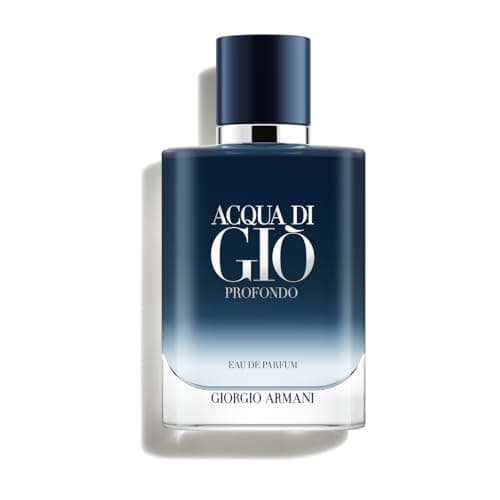
Acqua di Gio Profondois the version of Acqua di Gio that fixes its one real problem. Alberto Morillas's 2020 rebuild — sea notes, aquozone, bergamot and green mandarin over rosemary, lavender, cypress and mastic, on mineral notes, musk, patchouli and amber — is an EDP that lasts a full day while sitting close to the body. It is the original grown up and put in a suit, and for anyone who loves the marine idea but needs it to survive until evening, it is the bottle to buy instead of the EDT. The Profondo review has the detail.
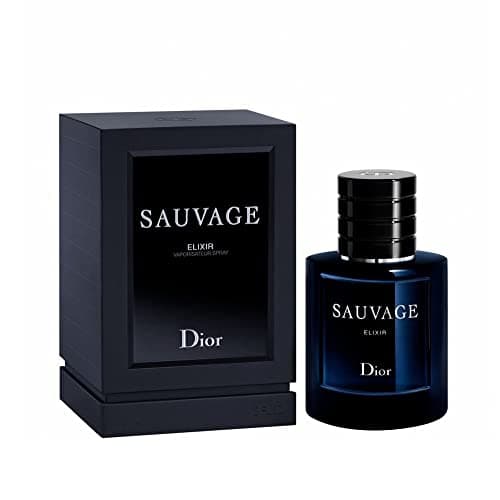
Dior Sauvage Elixiris not a stronger Sauvage; it is a different fragrance wearing the name. Nutmeg, cinnamon and cardamom over lavender, with licorice and vetiver underneath — dense, dark and spicy where the EDT is bright, and it performs like almost nothing else at the designer counter. If you liked Sauvage because it was easy and fresh, the Elixir is the opposite of that. It is on this page because "acqua di gio vs sauvage elixir" is a question people genuinely ask, and the answer is that they are not comparable: one is a summer marine, the other is a winter spice.
Put the two flankers against each other and you get the more interesting comparison: Profondo is the professional all-day fresh, the Elixir is the maximal cold-weather statement. Almost nobody should be choosing between them — they belong in the same wardrobe, at opposite ends of the year.
Which one, for whom
Buy Acqua di Gio EDT if you want the definitive summer aquatic, you accept re-applying, and you like smelling like a specific place. Buy Sauvage EDT if you want one fresh bottle for the whole year that lasts a working day, and you do not mind the company.
Buy Profondo if you love the Acqua di Gio character and need it to survive an office day — it is the pick we would hand most professionals asking this question. Buy the Sauvage Elixir only if you already know you want a dense, spicy, cold-weather performer and have smelled it; it is expensive, and it is not fresh.
The wardrobe answer
More than with most head-to-heads, the right answer here is often both, because these two do not compete: Acqua di Gio (or Profondo) is a summer bottle and Sauvage (EDT or EDP) is a year-round one. A man who owns Profondo for the working year and the Sauvage EDP for cold evenings has a complete two-bottle wardrobe with no overlap. Our wardrobe guide is about filling exactly those roles in the right order.
The concentration trap
Both houses now sell their flagship in four or more strengths, and the labels do not mean the same thing across the two lines. Acqua di Gio's Parfum and Profondo flankers are where its performance lives; the EDT is the light one. Sauvage's EDT is already strong; its EDP is warmer rather than stronger; its Parfum is smoother; its Elixir is a different fragrance. Do not assume a higher concentration is simply "more of the same." Our Sauvage concentration comparison and the concentrations guide both explain what the labels actually change.
Application
Acqua di Gio EDT can take three or four sprays and a midday top-up in real heat; it is one of the few designer fragrances where more is usually fine. Sauvage EDT wants two indoors and three in open air. Profondo wants two. The Elixir wants one, and a second only outdoors in the cold — it is dense enough that a third spray is a mistake in any room. The spray-count guide covers the general rule and why your own nose is not a reliable judge.
Counterfeits
Counterfeiters copy what sells, and both of these flagships sell in enormous volume. Treat a very large discount on either as a warning rather than a find, buy from a seller you can identify, and read the return policy before you order. Our guide to spotting fake cologne covers the checks that still work on the better fakes.
Where this comparison ends and another begins
If Sauvage won and you now want to know which Sauvage, the Sauvage EDT vs EDP vs Parfum vs Elixir page is next. If Acqua di Gio won and you want the wider marine field, the aquatic ranking and the summer ranking both place it against its rivals. And if the real question was Sauvage against the other best-seller, the Sauvage vs Eros comparison is the companion page.