The grown-up direction
If fresh is the safe choice and gourmand is the fun one, woody is the one that reads as competent. Cedar, vetiver, sandalwood and their relatives produce fragrances that are dry rather than sweet, textured rather than bright, and consistently read as more mature than anything else at the same price.
That is the practical case for the category. A woody fragrance is appropriate in more serious settings than a sweet one, it does not carry the youthful associations that follow the loud gourmands, and it ages well in the sense that it will not embarrass you in five years. It is the direction most people move toward as their taste develops.
It is also a broader church than the label suggests, which is worth understanding before you shop.
The woods, and what each one does
Cedar is dry, slightly pencil-shaving-like, and the backbone of a huge number of modern compositions. Clean and versatile.
Vetiver is a root rather than a wood, earthy and faintly smoky with a green bitterness. It is the most characterful material in this family and the one that separates an interesting woody from a generic one.
Sandalwood is creamy, soft and slightly sweet — the warmest of the woods and the one that bridges toward amber.
Modern woody-ambersare the synthetic backbone of contemporary fragrance: clean, diffusive, abstract materials that read as "expensive woody" without being any specific tree. They are everywhere, they perform extremely well, and they are why a lot of modern woody scents smell related. The notes guide covers how these behave.
The criteria we ranked on
Every pick had to clear the same five bars, weighted in this order:
- Genuine woody character.The woods have to be audible rather than a token base note under a fresh citrus. Several popular "woody" designers were cut for being fresh scents wearing a label.
- Versatility. Woody is the most office-compatible character-driven family, and we ranked accordingly — picks had to work across settings rather than only after dark.
- Performance. Woods and ambers are heavy base materials, so this category should last. Anything that did not was ranked down, since the family gives no excuse.
- Dryness over sweetness. Where a fragrance tipped into sweet territory we treated it as gourmand and sent it to the gourmand ranking instead.
- Value across tiers. The list spans from under forty dollars to full designer.
How the ranking shakes out
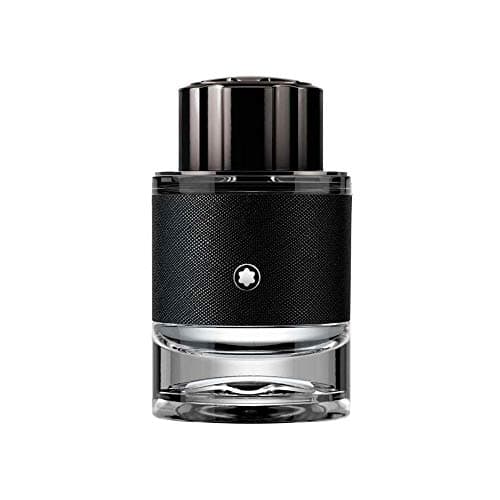
Montblanc Explorer takes the top spot on the strength of its vetiver and its performance-per-dollar. It is openly derivative, which the Explorer review says plainly — but in EDP concentration it out-lasts most of the field and it is the most broadly useful bottle here.
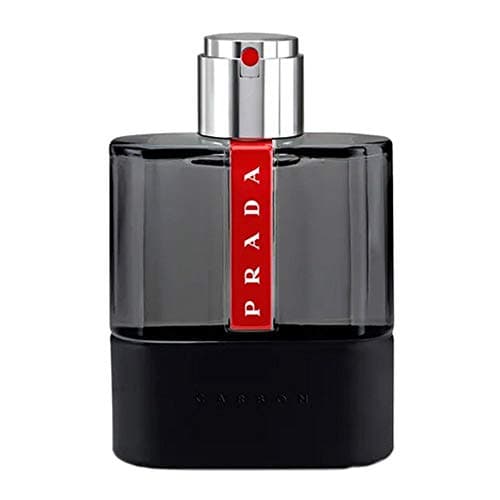
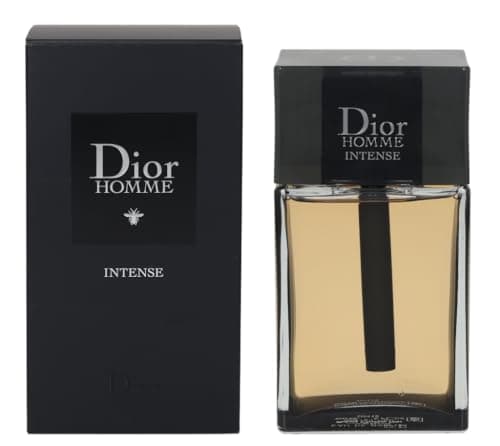
Prada Luna Rossa Carbon is the refined pick — cool, clean and slightly metallic, and one of the more genuinely versatile designers going. Dior Homme Intense is the most distinctive thing on the list: powdery iris over wood, formal and unusual, and the strongest choice here for an evening or a wedding.
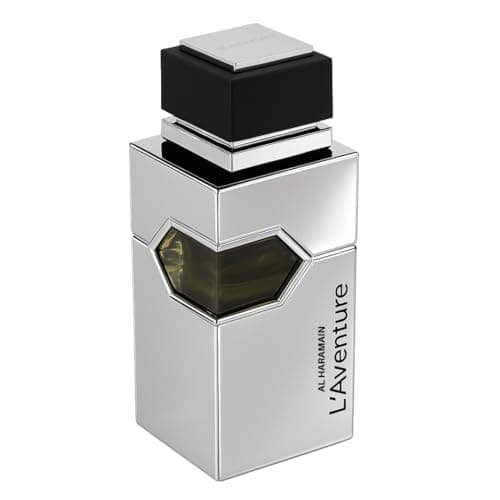
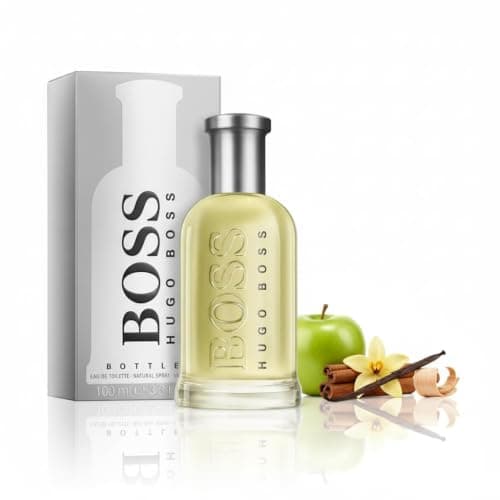
Al Haramain L'Aventure is the value entry, and it is the reason this list does not require designer money at all. Boss Bottled is the office-safe classic — warm apple and cinnamon over wood, and about as inoffensive as a characterful fragrance gets.
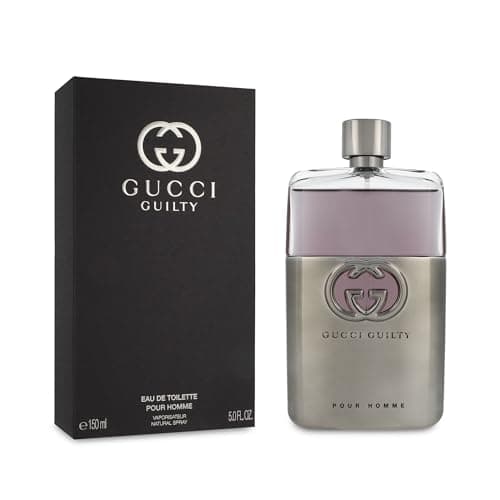
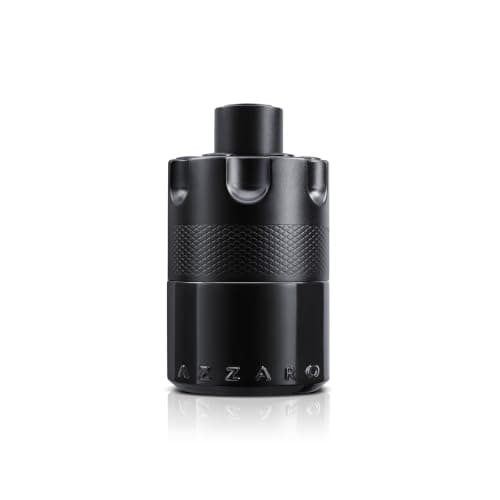
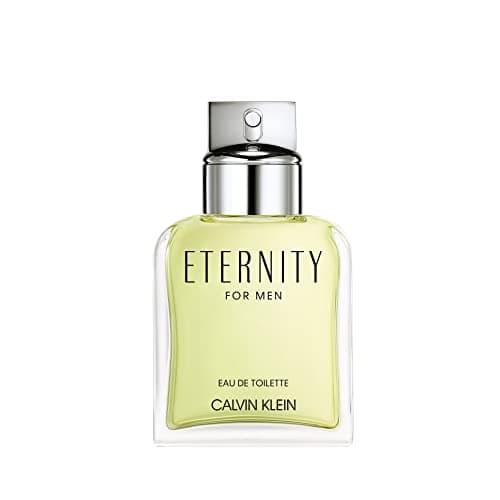
Gucci Guilty, Most Wanted and Eternity fill out the range across warmer and cleaner ends of the same idea.
Woody versus fresh-woody
A distinction worth drawing, because the marketing blurs it. A great many modern "woody" fragrances are really fresh scents with a woody-amber base — bright on top, clean underneath. They are excellent and extremely wearable, and most of them live on the fresh ranking.
A properly woody fragrance leads with the wood. It is drier, it has more texture, and it reads as considered rather than clean. If you have been buying fresh-woody scents and finding them samey, moving further into this category is the fix.
The aromatic-fruity outlier on this list has a page of its own if you want the detail — see our Gucci Guilty Pour Homme review.
Which wood suits which situation
Work. Cedar and clean woody-ambers. Dry, quiet and entirely uncontroversial — Explorer, Luna Rossa Carbon and Boss Bottled all behave in shared air. The office ranking is the dedicated list.
Formal evenings and weddings. The more refined and unusual end — Dior Homme Intense above all. Its powdery, slightly old-world character reads as dressed rather than casual, which is exactly right when everyone else is in a suit. See the wedding ranking.
Cold weather. Sandalwood and the warmer woody-ambers. They have enough body to project in cold air, where lighter compositions disappear — the fall ranking covers the season properly.
Warm weather. Vetiver, which is the one wood that genuinely works in heat. Its green bitterness reads as refreshing rather than heavy, and it is why vetiver compositions show up on summer lists when the rest of the family does not.
Why woody scents last
Not an accident. Woods, resins and the modern woody-ambers are heavy, low-volatility materials — they evaporate slowly, which is precisely what makes a fragrance persist. That is why this category and the amber family dominate the longest-lasting ranking while citrus and aquatic compositions rarely appear on it.
Practical consequence: you generally need fewer sprays here than with a fresh scent. Two is usually right, and the reflex to add more because the opening is subtle will catch up with you by mid-afternoon — the how many sprays guide covers the calibration.
If you are moving here from fresh
The most common upgrade path, and worth doing gradually. Start with a fresh-woody hybrid rather than jumping straight to a dry vetiver or a powdery iris — the transition is easier and you will learn whether you actually like the dryness before committing to something austere.
Explorer and Luna Rossa Carbon are both good bridges. Dior Homme Intense is not; it is a genuinely distinctive fragrance and it will feel like a large jump if clean freshies are all you have worn. Test it properly first — a sampler set is the cheap way to find out, and the wardrobe guide explains why a woody bottle is usually the right second or third purchase.
Doing it cheaply
The budget tier serves woody less well than fresh, because dry sophistication is harder to fake than clean brightness — cheap woody scents often read thin or harsh. Al Haramain L'Aventure is the standout exception and genuinely competes with designers several times its price.
The broader value field is on under $50 and the Arabian ranking, though note that the Arabian houses skew sweet and warm rather than dry — if bone-dry woods are what you want, this is one of the few categories where paying more genuinely buys something.