Fall is the season fragrance was built for
If you only ever get one season right, make it this one. Cool air suppresses fragrance just enough to let rich compositions behave — the spice, wood and amber materials that turn suffocating in July become comfortable and legible once the temperature drops, and they have enough room to develop properly without the deadening effect of real winter cold.
That is why autumn is where most people's favorite bottle lives. It is the widest window: you can wear a genuinely warm fragrance without it becoming a public event, and you can still get away with a fresher one on a mild afternoon. Summer restricts you to transparency and winter pushes you toward the heaviest end of the shelf. Fall lets you use the middle.
This list sits deliberately between our spring and winter rankings — warmer and spicier than the former, more wearable and less heavy than the latter.
The criteria we ranked on
Every pick had to clear the same five bars, weighted in this order:
- Warmth without weight. Spice, wood, tobacco, amber and a little sweetness — but stopping short of the dense winter gourmands that need genuine cold to make sense.
- Cool-air performance. Autumn air carries fragrance differently to both summer heat and winter cold. Picks had to project properly in the mid-range rather than needing extremes.
- Day-to-evening range. Fall days swing widely. A scent that only works after dark is a specialist; we ranked all-day usability higher.
- Character. This is the season to wear something with an opinion. Inoffensive freshness is a summer virtue — here we weighted distinctiveness up.
- Value across tiers. The list spans from the mid-twenties to full designer, and several of the strongest performers are the cheapest bottles on it.
How the ranking shakes out
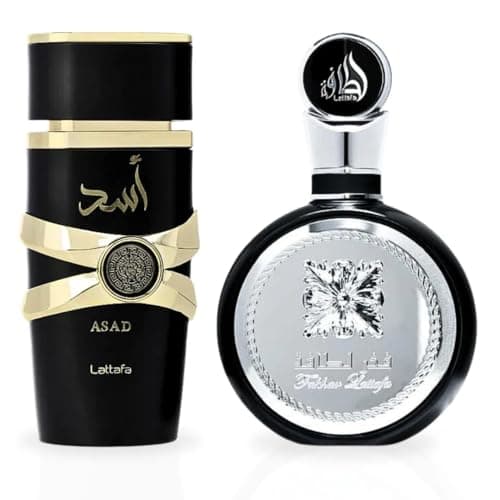
Lattafa Asad takes the top spot — a warm, spicy, tobacco-and-vanilla-leaning composition that reads far more expensive than it costs and lands exactly in the autumn sweet spot. It is a good illustration of how thoroughly the Arabian houses have rewritten the value equation, covered on the Arabian cologne ranking.
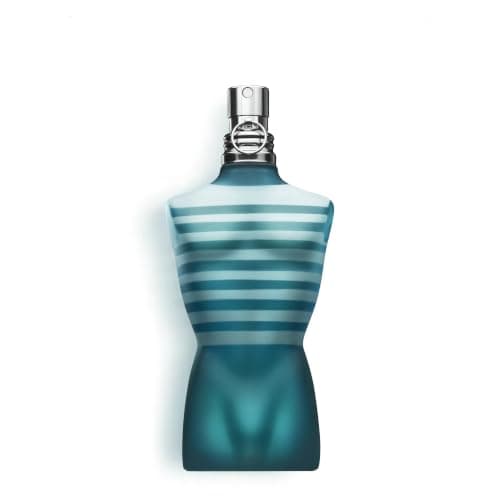
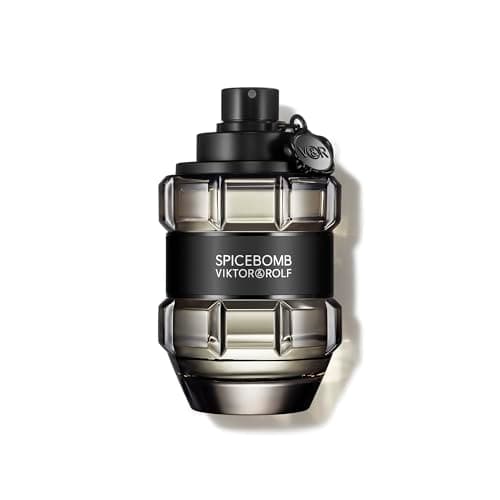
Le Male and Spicebomb are the two heavyweights of the season and pull in different directions — Le Male sweet and comforting, Spicebomb hot and cinnamon-forward. Both are excellent in cool air and both are too much in heat. The Le Male review has the detail on the first, and the spicy ranking puts the second against the rest of its family.
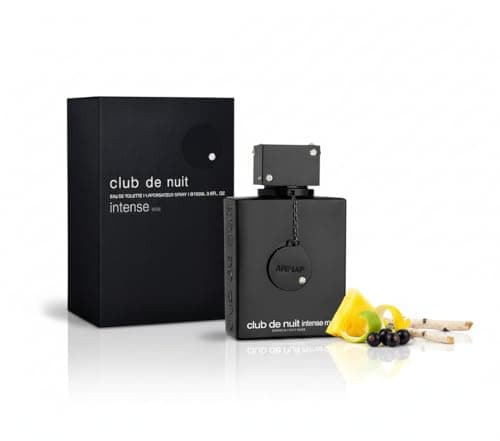
Club de Nuit Intense Man is the value monster: smoky pineapple and birch with enormous performance for the money, and it is at its best in autumn. See the Club de Nuit review and the Aventus dupe breakdown.
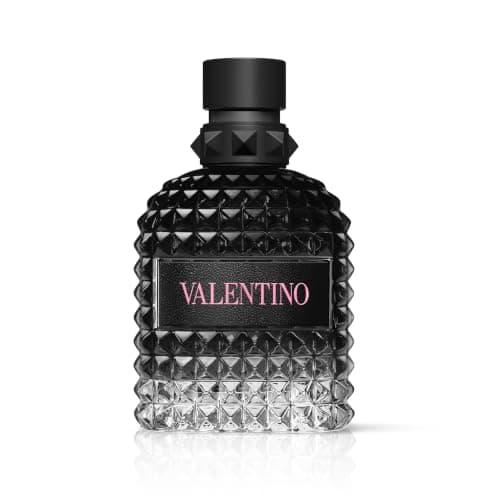
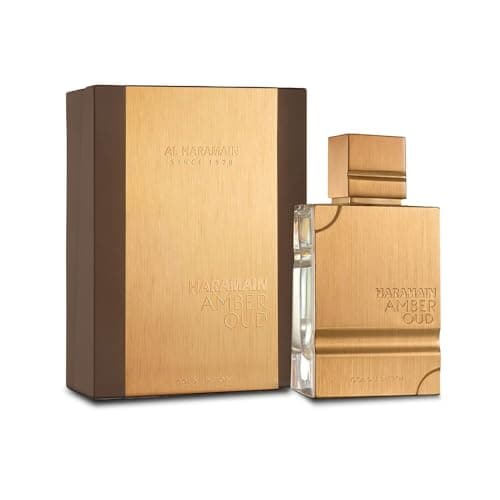
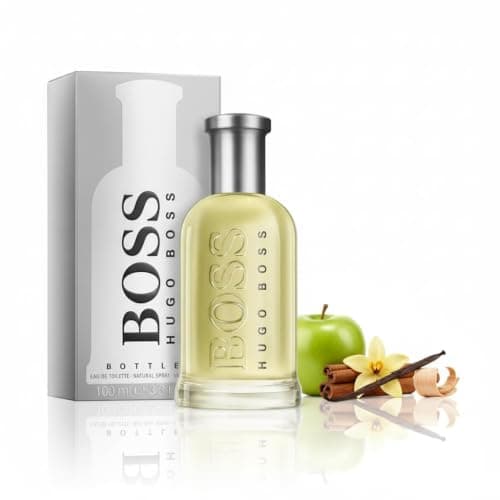
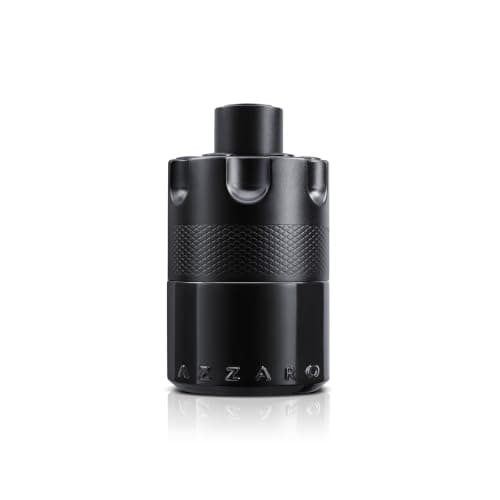
Born in Roma, Amber Oud Gold, Boss Bottled and Most Wanted fill out the range. Boss Bottled is the most conservative pick here and the best of them for an office — warm apple and cinnamon that never becomes a problem in shared air.
The transition problem
Early autumn is genuinely tricky, because it is still warm and the instinct to reach for a heavy bottle arrives before the weather supports it. A cinnamon-heavy fragrance on a 24-degree September afternoon is a mistake in the same way a winter coat would be. Let the temperature lead — the fresh scents on the spring list remain the right call until the air actually cools.
Early fall versus late fall
Early autumn — still mild, often warm at midday. Boss Bottled, Most Wanted and Club de Nuit work well here: warm enough to match the season, not so dense that a mild afternoon defeats them.
Late autumn — properly cool, darker evenings. This is where Spicebomb, Le Male and Amber Oud Gold come into their own, and where you can start borrowing from the winter ranking without it feeling premature.
Understanding why cold changes everything
Fragrance needs warmth to lift off the skin. In cold air, projection drops and a composition sits closer to you — which is exactly why heavy scents that would be overwhelming in July become wearable, and why delicate citrus compositions can seem to vanish entirely in November.
The practical consequence is that autumn is the season where you can most safely increase both the richness of the bottle and, slightly, the number of sprays. Slightly. Indoor heating undoes a lot of this — a warm office will project a fragrance as readily as a summer afternoon, so calibrate for the room you will spend the day in rather than the street outside. The how many sprays guide covers the adjustment.
Fall scent families worth knowing
Spicy-warm — cinnamon, cardamom, pepper, nutmeg. The defining autumn direction, and the one that reads most obviously seasonal.
Woody — cedar, sandalwood, vetiver. Drier and more formal than the spices, and the most office-compatible of the autumn families.
Tobacco and leather — rich, slightly smoky, distinctly grown-up. Excellent in cool air and heavy in anything else.
Amber and gourmand — vanilla, tonka, sweet resins. The warmest and most comforting direction, and the one that most easily tips into too much. The notes guide explains how these base materials behave.
The one-bottle autumn
If you are only buying one, buy warm-spicy rather than heavy-gourmand. It covers a wider range of autumn days, it is more forgiving in an overheated building, and it will still be correct in early winter. Lattafa Asad and Club de Nuit both fit that description at a fraction of designer money — the under-$50 ranking has more in the same vein.
Test before the season turns
Several picks here are polarizing — Spicebomb and Le Male in particular divide people sharply on sweetness and spice. A sampler set is the sensible way to meet them, and buying in late summer means you are ready when the weather actually turns rather than shopping in November.