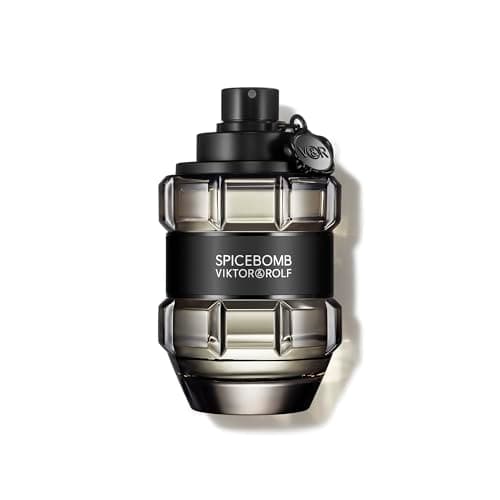
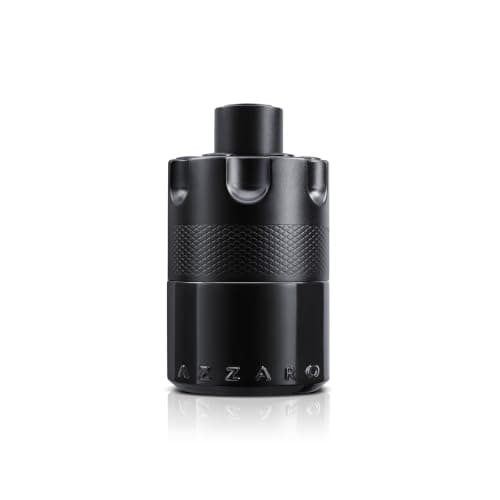
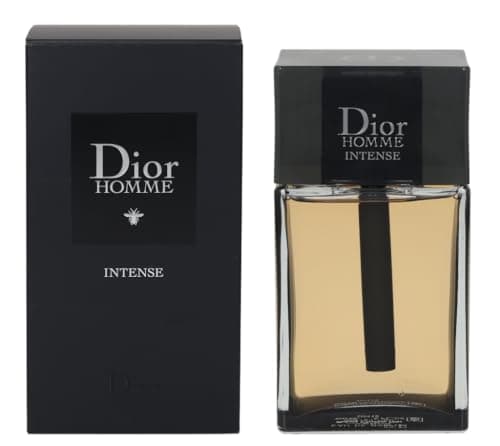
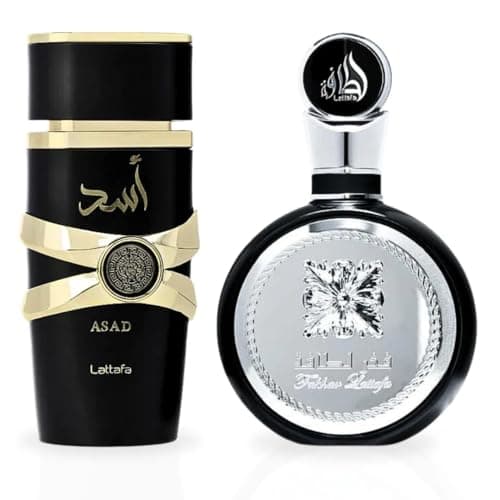
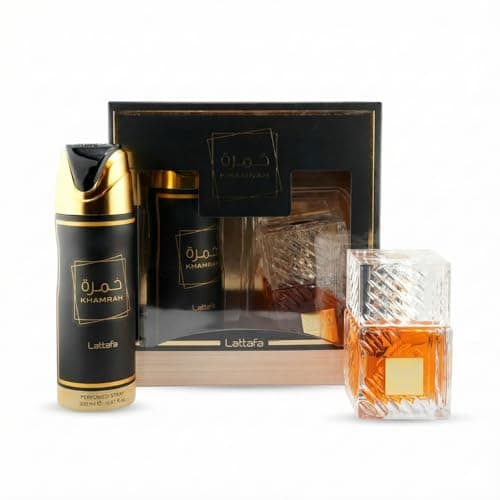
Why winter needs its own bottle
Cold air is the exact opposite of what a fragrance wants. Heat lifts a scent off your skin and pushes it outward; cold mutes it, presses it close, and swallows the bright top notes whole. A light summer citrus that sang in July can go almost silent by December — you spray it, walk out into the cold, and it vanishes. Winter rewards the reverse: warm, rich, sweet and spicy scents with the density to stay audible in cold air, and the kind of cozy, close-range warmth that actually suits a scarf and a coat. This ranking is built entirely around that.
The criteria we ranked on
Every pick here had to clear the same four bars, in this order:
- Cold-weather character. A warm, sweet, spicy or ambery profile — gourmands, ambers, spices, resins, tobacco, vanilla — that reads right in the cold rather than merely surviving it.
- Performance in cold air. Enough projection and longevity to register when the weather is working against it. This is where cheap fresh scents fall apart and rich EDPs shine.
- Value. What you actually pay for the performance. The Arabian houses dominate the top of this list for a reason — they build exactly this style of dense, long-lasting scent for a fraction of designer money.
- Who it's for.Honest range — a couple of these are loud night-out beasts, one is a refined formal scent, one is a versatile daily driver. We say which is which on every card, plus a plain "don't buy this if."
The winter families, in plain English
Three broad styles carry the cold season. Gourmands — vanilla, cinnamon, dates, coffee, caramel — are the edible, cozy, compliment-magnet lane, and they are having a moment for good reason. Ambers and spices — resins, tobacco, cardamom, leather — are the grown-up, characterful side of warm, and the spicy ranking covers that family on its own. And warm woods and iris cover the more formal, refined end for when a sweet gourmand would be too much. If any of those words are new, the fragrance basics guide and the concentrations guide unpack the vocabulary — and note how many of these are eau de parfum, the concentration that carries a scent through cold air best.
Where the value is
Winter is the single best season for buying cheap, because the dense, long-lasting scents cold weather demands are exactly what the Arabian houses make better than anyone for the money. Our number-one pick costs less than a takeout dinner and out-performs bottles several times its price. You do not need to spend designer money to smell expensive in December — the value ranking and the longest-lasting ranking back that up, and this list puts a $30 bottle at the top on merit.
The one caveat
Warm, sweet winter scents are the most likely of any style to be over-applied — the cold tempts you to spray more to compensate, and then you walk into a warm room and the whole thing detonates. Two or three sprays is almost always enough; the application guide covers the restraint that keeps a rich scent inviting instead of suffocating. And because these sweet, complex profiles shift the most from person to person, a cheap sampler set is worth it before you commit to a big winter bottle.
A lot of these bottles are doing double duty as evening fragrances. If that is specifically what you are shopping for, our best night out cologne ranking weights projection and six-hour staying power above everything else. The note doing most of the work on this page has a guide of its own: what amber smells like.
How to choose your winter scent
Match the pick to the moment
Winter covers a lot of ground — a work day, a holiday dinner, a night out, a formal event — and no single bottle nails all of them. A loud sweet gourmand is glorious for a date or a party and wrong for a Monday meeting; a refined iris is perfect for a wedding and overkill at the bar. Read the "best for" and "don't buy this if" on each card and buy for the occasion you actually dress for most, not the loudest option on the page.
Lean on concentration, not price
Cold air punishes weak longevity, so concentration matters more in winter than any other season. Most of this list is eau de parfum or an intense formulation by design — that is what keeps a scent projecting when the temperature drops. If you are choosing between two versions of the same fragrance, the richer concentration is usually the winter answer, and often the Arabian EDP out-lasts the designer EDT for a quarter of the cost.
Apply for warm rooms, not cold streets
The classic winter mistake is spraying for the cold you walk out into, then overwhelming the warm restaurant you walk into an hour later. Spray for the warmest room you will be in, keep it to two or three sprays on the neck and chest, and let the scent's own richness do the work. If you genuinely need more reach, a warm gourmand on a scarf lasts for hours and travels with you — a far better move than an extra three sprays on the skin.