A fougère is a fragrance built on the accord of lavender, coumarin and oakmoss— the clean, slightly sweet, faintly mossy smell most people would call "barbershop" if you asked them to name it. It is one of the main olfactive families in perfumery, it is overwhelmingly a men's family, and if you have ever worn a classic men's cologne, you have very probably worn one.
Where the word comes from
Fougère is French for "fern," and it is pronounced roughly foo-ZHAIR. The name is a small joke of perfumery history: ferns have no smell to speak of, and the fragrance that started the family was not an attempt to reproduce one. It was an idea of greenery. Houbigant's Fougère Royale, composed by the house's owner Paul Parquet in 1882, is the fragrance the whole family is named after, and Guy de Maupassant praised it for evoking "forests or moorlands, not their flora but their greenery."
Fougère Royale matters for a second reason: it is considered one of the first modern perfumes, because it leaned on a synthetic material. Coumarin — the sweet, hay-like compound that gives the family its softness — had been synthesised only fourteen years earlier, in 1868. Interestingly, the fragrance was formulated as a women's perfume, as most were at the time, and was adopted by men — which is worth remembering the next time someone tells you a scent family has a gender. Our guide to whether cologne is for men or women has more on that.
What a fougère is built on
The classic structure has three parts, and once you can pick them out you will recognise the family anywhere:
- Lavender on top.Herbal, clean, faintly camphorous. This is the note most people register first and the one that makes a fougère read "fresh" rather than sweet, even when it is quite sweet underneath. Bergamot is very often added for sharpness.
- Coumarin in the heart and base. Sweet, warm, new-mown hay, almost almond-like. This is the softness under the lavender, and the reason a fougère can feel comforting rather than austere. In modern fougères it is frequently amplified with tonka bean and vanilla.
- Oakmoss in the base.Woody, sharp, slightly bitter, faintly inky. This is what makes the dry-down smell "green" and grounded rather than powdery. It is also the note most restricted by modern safety rules, which is why many current fougères use synthetic moss substitutes and smell a touch cleaner than their vintage versions.
Around that skeleton, most fougères add geranium (rosy, green), vetiver (dry, earthy) and a citrus opening. An aromatic fougèreadds herbs, spice or wood on top of the basic accord — sage, rosemary, pepper, cedar — and that sub-family is where most modern men's fragrance lives. Our notes guide explains how to read a note pyramid if the vocabulary is new.
The definition is broader than you think
Here is the part that surprises people. The "barbershop" image suggests a fougère is necessarily old-fashioned, and the textbook examples — Brut, Paco Rabanne Pour Homme, Azzaro Pour Homme, Drakkar Noir, Eternity for Men — reinforce it. But the family classification is about structure, not age, and by structure, some of the most modern fragrances on the market are fougères too. Fragrantica classes Dior Sauvage as an aromatic fougère, Versace Eros as an aromatic fougère, Jean Paul Gaultier Le Male as an oriental fougère, and Dior Fahrenheit as an aromatic fougère. Lavender over a sweet-and-mossy base is a very flexible idea.
What that means for a buyer: if you like the classic barbershop register, you are not confined to bottles from 1990. And if you love Sauvage but want to know what it is descended from, the answer is this family. The four picks below are chosen to show the range — the textbook classic, the polished modern version, the sweet variation and the one that took the structure and sold more bottles than anything else on earth.
What to look for when buying one
Three things decide whether a particular fougère will suit you. How sweet the base is: a classic fougère leans on moss and reads dry; a modern one leans on tonka and vanilla and reads soft. If you find most men's fragrance too sweet, look for the words "green" or "aromatic" and avoid "oriental" or "gourmand" in the description. How much it projects: the classics were built for conversation distance and the modern versions for a crowd, and there is no right answer, only a right room. And whether the moss is real: it almost never is any more, and the difference is that current fougères smell cleaner and a little less bitter than the vintage bottles your father wore. That is not a defect; it is just the family in its current form.
Why the four picks
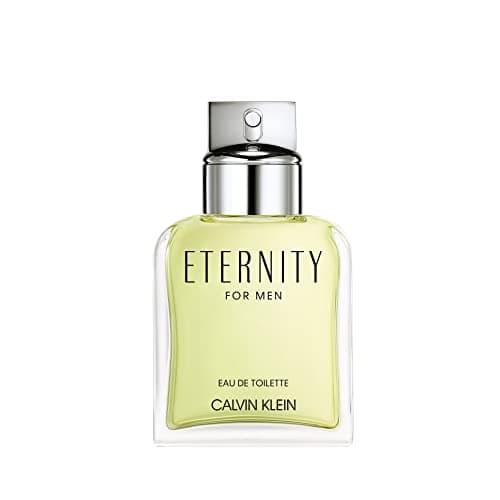
Eternity for Menis the textbook. Carlos Benaïm's 1990 composition — lavender, lemon and bergamot over sage, juniper and geranium, on sandalwood, musk and vetiver — is a fresh-green aromatic fougère that costs almost nothing and is the single best way to find out whether you like the family before spending real money. It is soapy, clean, mature and inoffensive; dated in the good way.
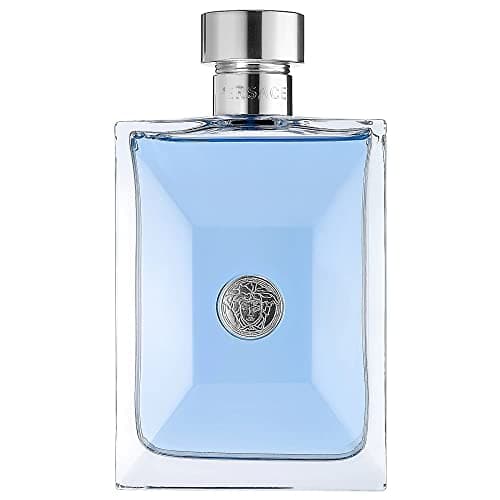
Versace Pour Hommeis the polished modern classic. Alberto Morillas's 2008 aromatic fougère — lemon, bergamot and neroli over clary sage, geranium and cedar, landing on musk and tonka — does the same clean barbershop job with cleaner materials, and it is the only genuinely discreet bottle in a house famous for volume. It is the pick if the Eternity register appeals but you want it a little more expensive-smelling.
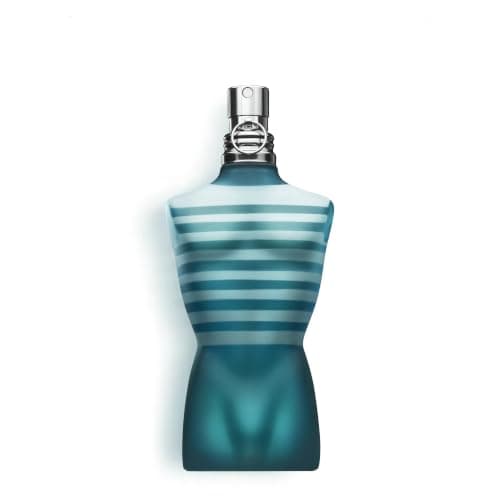
Jean Paul Gaultier Le Maleis the sweet variation. Francis Kurkdjian's 1995 composition — lavender, mint and cardamom over cinnamon and orange blossom, on vanilla, tonka and amber — is the original "sweet barbershop," and it shows how far the family can lean toward warmth without leaving it. It is strong, comforting and still pulls compliments three decades on.
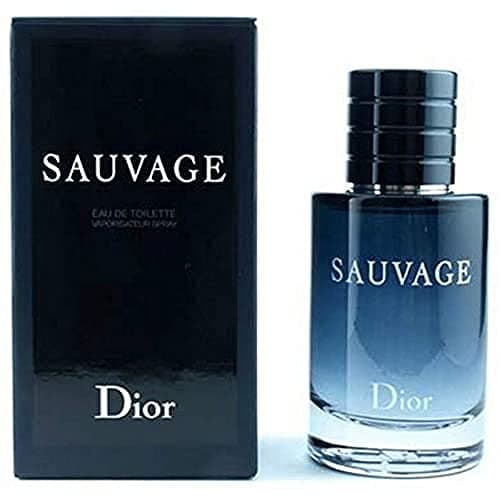
Dior Sauvageis the one that shows how broad the definition is. Fragrantica classes François Demachy's 2015 composition as an aromatic fougère; most wearers would never guess, because the lavender is quiet and the base is dominated by ambroxan rather than moss. It is here as the modern endpoint of the family — and because if you love Sauvage and have never tried a classic fougère, you are closer to liking one than you think.
Where to go from here
If the dry, green end of the family is what appeals, the 50s ranking is full of it. If the sweet end does, the gourmand ranking is the neighbour. If you want the wider field of fresh fragrance, most of which owes something to this family, the fresh ranking is the page. And if the vocabulary is still doing your head in, the cologne vs perfume guide covers the other set of words that confuse everyone.