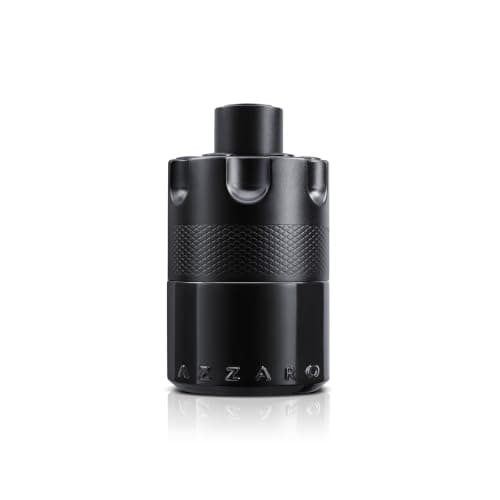
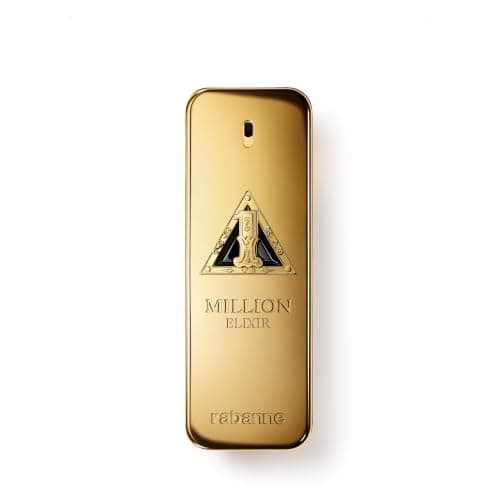
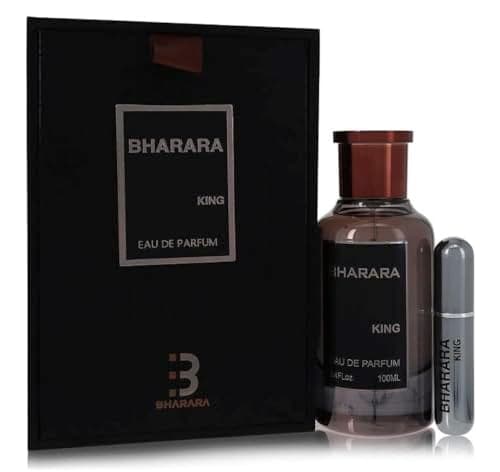
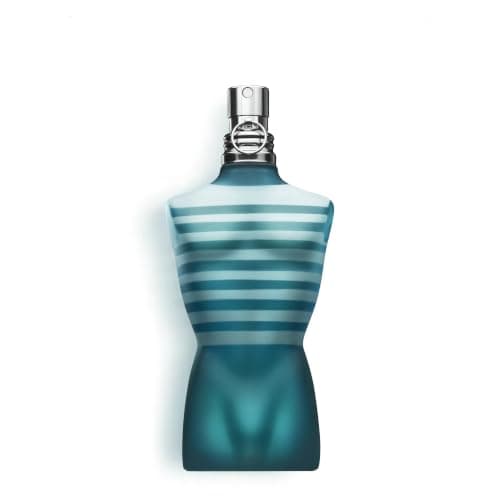
Tonka bean smells like sweet new-mown hay with almond, vanilla and a faint spiced bitterness behind it — warm, soft and slightly powdery rather than sugary. The published description of the flavour is a complex mix of vanilla, almond, clove, cinnamon and amaretto, and the raw seed is said to smell like sweet woodruff. It is one of the most useful materials in men's perfumery because it does two jobs at once: it sweetens, and it anchors. If you want to smell it, the four bottles below all lean on it, starting with the fragrance that is effectively a tonka showcase.
Where it comes from
Dipteryx odorata is a flowering tree in the pea family, native to northern South America and growing up to thirty metres. Its seeds — black, wrinkled, smooth and brown inside — are the tonka beans, and their strong fragrance comes from their unusually high content of coumarin: normally about one to three percent, rarely as much as ten. The name comes from the Galibi language of French Guiana. Today the main producers are Venezuela and Nigeria. Coumarin itself was named after the bean, via coumarou, the French word for it, and it was first isolated from tonka beans in 1820.
Coumarin is the reason the fougère family exists
This is the part most note guides skip. Coumarin is a colourless crystalline solid with a sweet odour resembling vanilla and a bitter taste, and in perfumery it is the new-mown-hay note. When Paul Parquet composed Fougère Royale for Houbigant in 1882, coumarin was its key component — and that perfume is considered one of the first modern fragrances precisely because it was built on a synthetic aromachemical. Every barbershop fragrance since is standing on that discovery: lavender on top, oakmoss and coumarin underneath. Our what is a fougère fragrance guide takes the structure apart, and best fougère cologne for men ranks the bottles that use it.
Coumarin is not exotic, either. It occurs in lavender, cinnamon, licorice, strawberries and cherries, which is part of why the note reads as familiar and comforting rather than as a perfume ingredient. After coumarin was synthesised in the 1940s, artificial coumarin became one of the first artificial flavouring agents, used as a vanilla substitute.
Why you cannot buy tonka-flavoured food in America
Because of dose, not because of perfume. Coumarin is bitter to the taste and in large infused doses it may cause haemorrhages, liver damage or paralysis of the heart, so it is controlled as a food additive by many governments; the US Food and Drug Administration has considered foods containing tonka beans adulterated since 1954. The restriction is routinely criticised as unreasonable, on the grounds that nobody could eat enough to be harmed and that coumarin is present in plenty of unregulated foods — and in France tonka beans are used in desserts and stews without issue. One correction worth making because the internet gets it backwards constantly: anticoagulant drugs such as warfarin are based on 4-hydroxycoumarin, a derivative; coumarin itself has no anticoagulant properties. None of this is a reason to worry about a bottle of cologne — fragrance use is a different exposure route at a different dose, and commercial fragrance is formulated inside industry limits.
What tonka does to a fragrance
It sweetens without turning gourmand.Tonka reads as warm and soft rather than edible, which is why it is in so many men's fragrances that would not survive a straight vanilla. The line between the two registers is exactly the subject of what is a gourmand fragrance.
It makes a fragrance last. Tonka is a base-note material: heavy, slow to evaporate, and it holds lighter notes in place as it goes. A bottle whose base is tonka and amber will still be readable on your skin six hours after a citrus top note has disappeared.
It smells expensive. The hay-almond-vanilla accord is the backbone of the boozy, dark-sweet register that niche houses sell at four figures, and it is one of the main reasons a thirty-dollar Gulf bottle can convincingly imply a far higher price. Two of the four picks below are doing precisely that.
How to shop the tonka register honestly
A note list is weak evidence. "Tonka" appears on so many listings that it has stopped being informative, and houses are inconsistent about publishing pyramids at all — for three of the four picks here, no published note pyramid could be verified today, which the sources below state plainly. So shop by behaviour instead: if a fragrance is described as warm, sweet, powdery, almond-ish or hay-like, and it performs for hours in cold weather, there is tonka or coumarin doing the work whether the listing says so or not.
Then check the season. Tonka-heavy fragrances are cold-weather purchases — all four picks on this page are ranked for fall and winter in our catalog, and all four will be heavy in summer. Best winter cologne for men is the ranking most of this register lives in, and best spicy cologne for men covers its drier neighbour.
Tonka, vanilla and amber — telling them apart
Vanilla is the sweetest and most obviously edible of the three. Tonka is drier, nuttier and hay-like, with an almond-and-clove edge. Amber is a built accord rather than a single material, usually resinous labdanum plus vanilla, and it reads warm rather than sweet — what does amber smell like goes through it, as what does musk smell like does for the clean base-note material people confuse with all three. In practice most warm fragrances contain some combination of all of them, which is why learning the three words is more useful than learning fifty.