Fragrance Guides · Fragrance Guides
What Is a Fragrance Dupe?
A dupe is a legal imitation. A counterfeit is a crime. Confusing the two is how people end up with a bad bottle and a worse story.
Sillage & Smoke is reader-supported. We earn a commission when you buy through our Amazon links, at no extra cost to you. It never changes our verdict — and we say so when the cheaper bottle is the smarter buy. How this works.
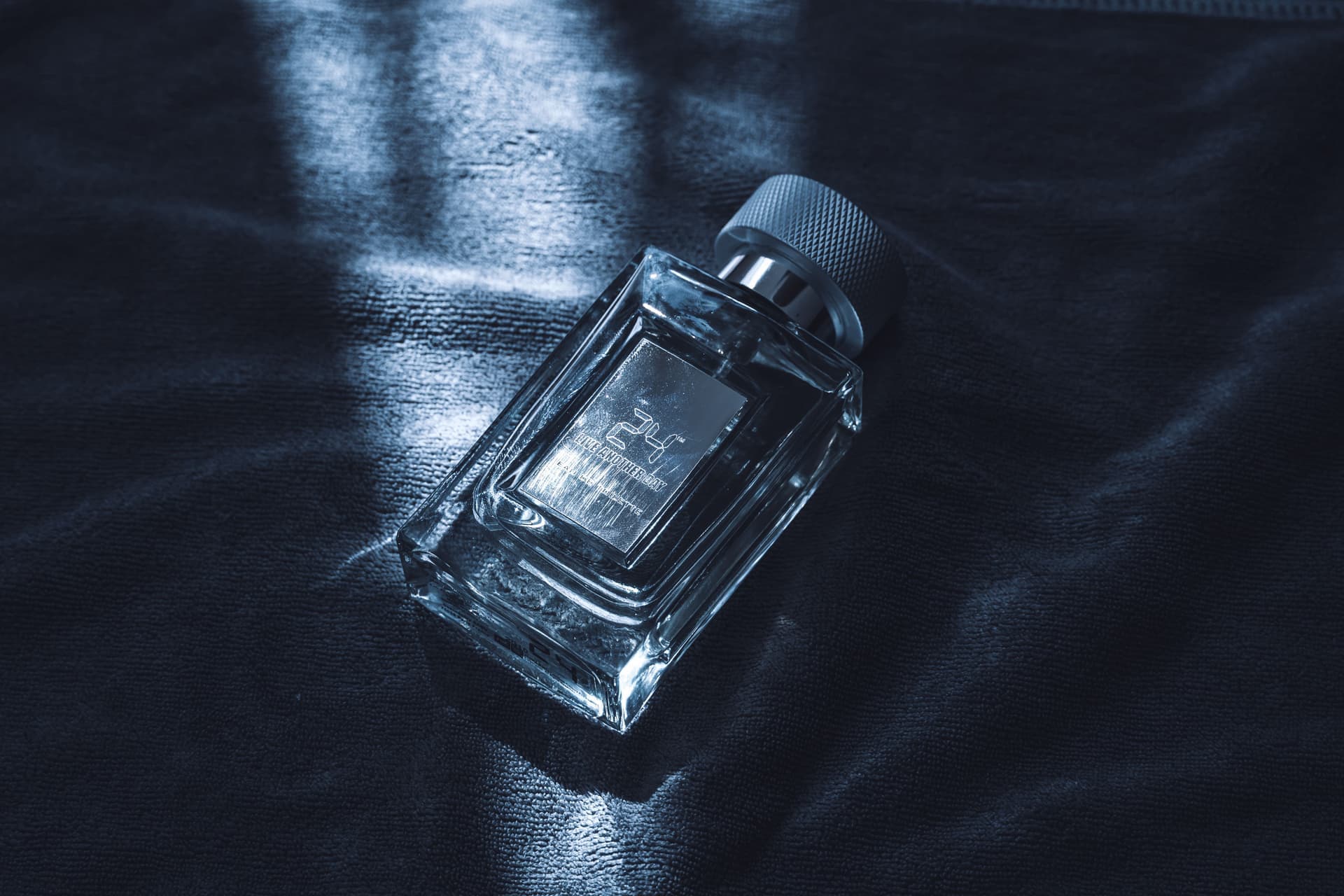
A fragrance dupe — also called a clone — is a legitimately produced fragrance designed to smell similar to a more expensive one. It carries its own brand name, it is sold openly, and it makes no claim to be the original. That last point is what separates it from a counterfeit, and the distinction matters more than almost anything else in this corner of the hobby.
Dupe versus counterfeit
These get used interchangeably and they are completely different things.
A dupe is an original product that happens to smell like something else. Armaf Club de Nuit Intense Man is openly an Armaf product that resembles Creed Aventus. Nobody is pretending otherwise — the bottle says Armaf, the box says Armaf, and you know exactly what you are buying. It is legal, it is above board, and the house is competing on the smell rather than on deception.
A counterfeitis a fake claiming to be the real product. It wears the original's name, packaging and batch codes, and it exists to trick you into paying for something you are not getting. It is illegal, it is unregulated, and because nobody is accountable for what is in the bottle, it carries genuine risk — you do not know what you are putting on your skin.
The practical consequence: buying a dupe is a smart budget decision. Accidentally buying a counterfeit is a bad outcome with no upside. The spotting fakes guide covers how to avoid the second while shopping for the first.
Why dupes are legal
This surprises people, but a scent itself is very difficult to protect legally. Trademark protects the name, the logo and the packaging — which is why a clone never uses them. Formulas are generally treated as trade secrets rather than patented inventions, and a trade secret only protects you until somebody works out how to make something similar.
Analytical chemistry makes that reverse engineering entirely feasible. A house can break down a composition, identify the major materials, and build something that reads as similar without copying anything protected. So a clone is legal precisely because it stops at the smell and never touches the branding.
How close do they actually get?
This is the honest part, and the answer is: closer than skeptics expect and not as close as marketing implies. The pattern is remarkably consistent across the category.
The opening is usually excellent. The top notes are the easiest part to match and the part most people use to judge a resemblance. A good clone can be genuinely hard to separate from the original in the first thirty minutes.
The dry-down is where the gap shows. Base materials — the expensive naturals, the refined musks and ambers — are where the money in a luxury fragrance actually goes. Clones typically substitute cheaper alternatives, and the result tends to read sweeter, rougher or simpler than the original after a few hours. That is the trade you are making, and the notes guide explains why the base is where it lands.
Performance is often better, not worse. This is the part that surprises people. Clone houses frequently use higher concentrations and heavier synthetic materials, so a clone can out-last and out-project the fragrance it is imitating. Our Aventus dupe breakdown is the clearest example of that.
Are dupes worth buying?
Often, yes — with a clear head about what you are getting.
They make obvious sense when the original is genuinely expensive, when you want the profile rather than the label, when you are testing whether you even like a style before committing, or when the original has a serious counterfeit problem and the clone is the safer purchase. That last case is real: for some famous fragrances, a reputable clone is a lower-risk buy than a marketplace listing of the original.
They make less sense if you love a specific fragrance and will notice every difference, if the dry-down matters more to you than the opening, or if the original is not actually that expensive. A clone of a fifty-dollar designer is rarely worth the compromise.
Dupes versus originals from the same houses
Worth knowing: the houses best known for clones also release plenty of original compositions, and some of those are better bottles than their clones. Lattafa Khamrah and Al Haramain Amber Oud are not chasing anything in particular; they are simply doing rich, concentrated perfumery at low prices. The Arabian cologne ranking separates the two, and the Lattafa and Armaf house rankings go deeper on each.
If you are shopping this category mainly for value rather than for a specific resemblance, the original compositions are frequently the better buy — you get something that stands on its own instead of something judged against a bottle you do not own.
Where to start
The cologne dupes hub covers the specific comparisons — which clones get genuinely close and which just borrow the marketing. If budget rather than resemblance is the goal, the under-$25 and under-$50 rankings are the more direct route.
For a worked example of us declining to name a dupe target, see our Lattafa Oud for Glory review: it is one of the most-asked-about "what is this a clone of" bottles on the market, and the sources making the claim contradict each other, so the page says so instead of picking one. The other word used loosely in this market is "niche" — our guide to what a niche fragrance is explains why it describes a business model rather than a smell.
Questions
Frequently asked
Is a fragrance dupe the same as a fake?
Are fragrance dupes legal?
How close do dupes smell to the original?
Are dupes bad quality?
Keep reading
Related
Receipts
Sources
- Fragrantica — community note pyramids & clone comparisons
- Bespoke Unit — fragrance families & terminology
We do not run a testing lab, and we do not pretend to. Our scores are judgments from compiled research — published notes and concentration data, plus aggregated owner and community reports — and first-hand impressions only where genuine. Where we could not verify something, we say so rather than quietly leaving it out. Read our full method.