A niche fragrance is one from a house built around perfumery rather than around a clothing brand — originally made in smaller batches, sold through selective distribution, and composed with a narrower audience in mind than a department-store release. It is a description of a business model, not of a smell. There is no ingredient, family or quality level that makes a fragrance niche, which is why the word is used so loosely and why it is worth much less as a buying signal than it sounds.
Where the word comes from
Niche perfumery emerged as an alternative to mass perfume production, with more selective distribution and a narrower target audience, and niche houses sit between the large fragrance corporations and the independent "indie" lines run by their own perfumers. L'Artisan Parfumeur, founded in 1976, is described by the critic Luca Turin as the first niche firm; Turin links the start of the niche boom to the 1995 opening of the New York boutique Aedes de Venustas. Designer fragrance, by contrast, was sometimes simply called "department store perfume".
Why the distinction barely holds any more
Because the big groups bought the niche houses. Estée Lauder acquired Jo Malone London in 1999, Frédéric Malle and Le Labo in 2014, and By Kilian in 2016. Puig bought Penhaligon's and L'Artisan Parfumeur in 2016, the same year L'Oréal acquired Atelier Cologne. LVMH bought Maison Francis Kurkdjian in 2017. Since the 2010s the distinction has blurred: lines that were once boutique-only are now widely available, and some of them are as mass-marketed as anything with a fashion logo on it. Le Labo's Santal 33 — a former niche exclusive — has been grouped with Chanel No. 5 as one of the most widely familiar scents around.
So "niche" in 2026 usually signals three practical things rather than one real one: a higher price, a composition that is less focused on being universally liked, and a brand with no clothing business attached. Only the second of those is worth paying for, and you can get it elsewhere.
What niche is actually good at
Taking risks. A department-store release has to be liked by a very large number of people to justify its shelf space, which pushes it towards the safe middle — the reason the fresh "blue" shelf exists and all of it smells related. A house that only needs a few thousand buyers can make something leathery, smoky, bitter, dirty or strange. If you have ever smelled a fragrance and thought it was genuinely interesting rather than merely pleasant, that quality is what people are buying when they buy niche.
What it is not good at
Value, and sometimes performance. Niche pricing is a function of batch size, distribution and positioning as much as of materials, and plenty of expensive niche bottles are outlasted by a twenty-dollar Gulf-house eau de parfum. Our guide to how much to spend goes through where money stops buying improvement, and longest-lasting cologne ranks performance without reference to price at all.
An honest admission about this site
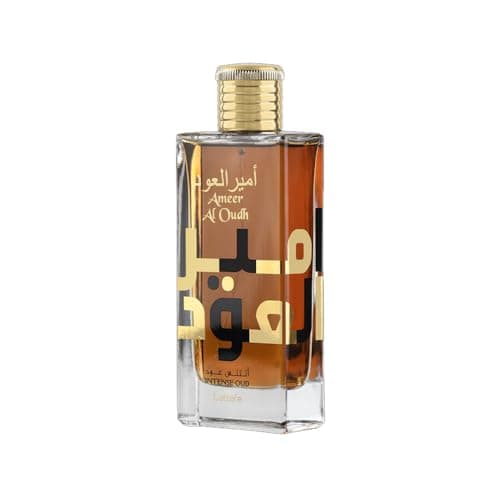
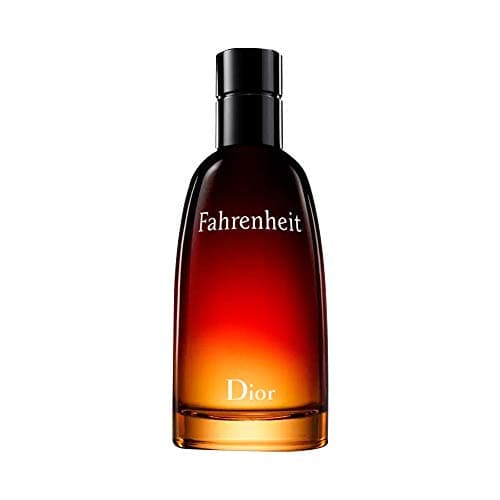
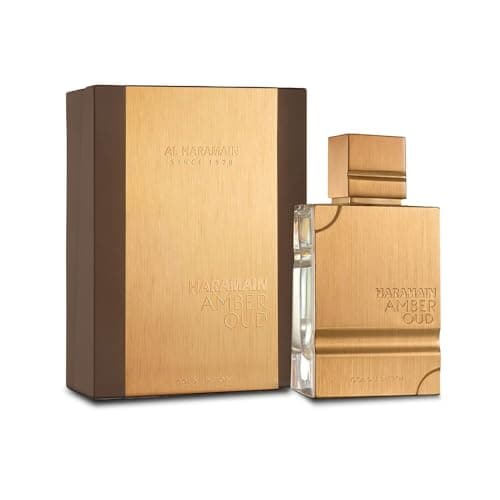
We do not rank niche houses, and the reason is a rule rather than a preference: we rank only bottles our catalog holds with a verified live listing and a published composition we are willing to describe, and our catalog is designer and Gulf-house. Building a "best niche fragrance" ranking out of it would mean either inventing entries or calling things niche that are not, so we have declined to build that page five separate times. What we can do honestly is point at the three bottles in our catalog that deliver the thing people want from niche — a fragrance that smells like a decision — at designer or value prices.
What to look for if you want the niche quality cheaply
Three signals, all checkable on a listing. A note list with something odd in it — leather, saffron, incense, oud, tobacco, iris. If every note is a fruit or a citrus, you are buying the safe middle. A house with a perfume tradition rather than a fashion one, which is where the Gulf value tier genuinely competes: those houses have always made resinous, woody, unapologetic fragrances. A reputation for being polarising. If half the reviews say they cannot wear it, that is a feature for this purpose, not a warning.
The three picks below are ordered by our rubric. The first two come from the Gulf tier and the third is the designer bottle that has smelled like nothing else on the counter since 1988 — read best oud fragrance for beginners and best cologne of all time for the fuller picture, and sampler sets if you would rather test before committing.