For a first bottle you can wear anywhere, spend at the budget-designer or value level — there are genuinely good fragrances there, and the jump in quality from nothing to that band is the biggest one you will ever make. Above that, each step buys real but shrinking improvements, and somewhere past the designer counter the money stops going into the liquid and starts going into the bottle, the boutique and the exclusivity. The four picks below are one bottle from each band, so you can see what the ladder looks like rather than taking our word for the shape of it.
The four bands, and what each buys
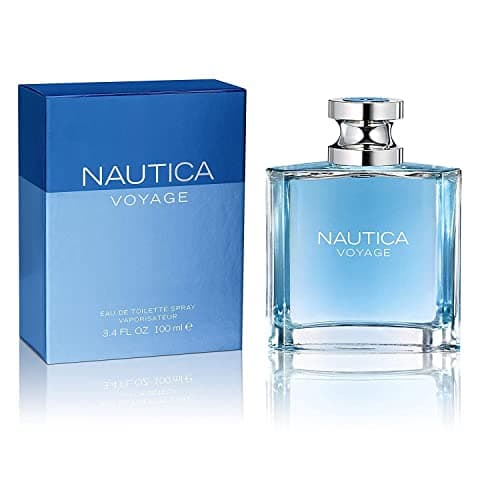
The cheap crowd-pleaser band.This is where Nautica Voyage lives, and it is the correct answer to "cheap cologne that smells good." What you get is a pleasant, inoffensive fragrance that almost nobody dislikes. What you give up is longevity and distinctiveness: these bottles are usually EDTs with modest oil loads, so they are a presence for a few hours and then they are not. For a first cologne, a teenager, a gym bag or a spare bottle at the office, this band is the right call and spending more would be a waste.
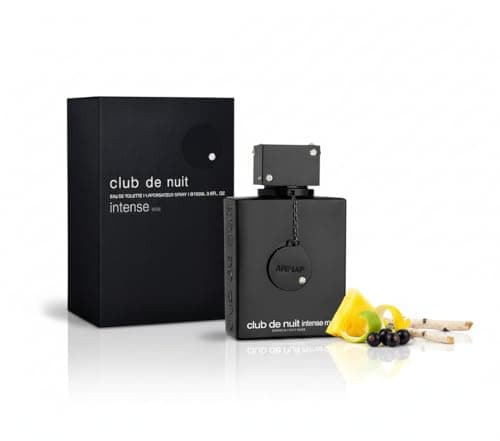
The value tier. Armaf, Lattafa, Rasasi, Al Haramain. This is the most interesting band on the ladder and the one most people skip. Club de Nuit Intense Man is the example: an EDT whose smoky-pineapple opening plenty of noses cannot separate from a famous fragrance costing roughly ten times as much, with projection that fills a room whether you asked it to or not. What you are paying for here is essentially only the liquid — no boutique, no campaign. What you give up is polish in the dry-down and batch-to-batch consistency, and we name that on every card. Our under-$50 ranking and under-$25 ranking are built almost entirely from this band.
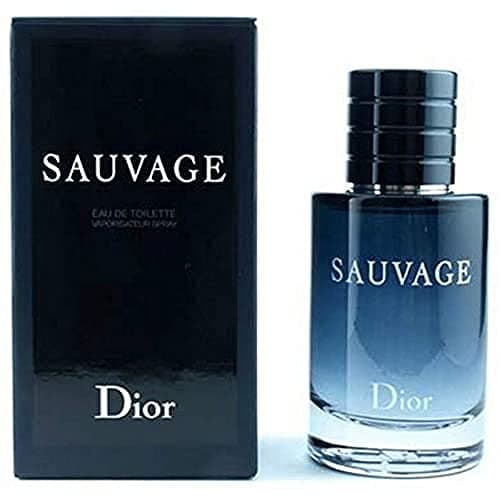
The designer counter. Dior, Versace, Armani, YSL, Rabanne. Dior Sauvage EDT is the archetype. Three things genuinely improve here: the blend is smoother, particularly in the first ten minutes and the last two hours; the bottle-to-bottle consistency is far tighter; and availability and resale are reliable, so you can buy the same thing again in three years. You are also paying for the marketing, and the most-worn fragrance on earth is by definition not distinctive. This is the band most people should end up in for a signature bottle.
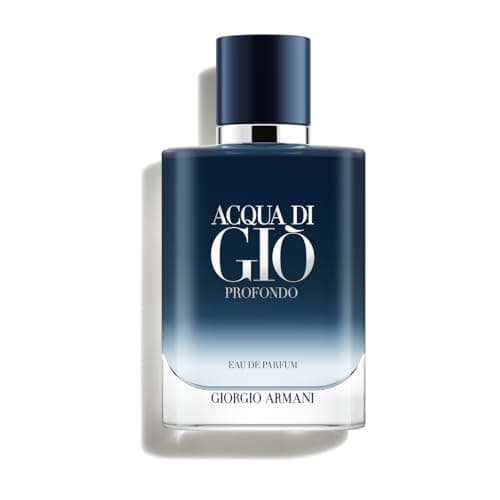
The premium designer and niche-adjacent end. Acqua di Gio Profondo is our example because it illustrates what the extra money can buy honestly: an EDP that lasts a full day while sitting close to the body, which is a shape of performance the cheaper bands struggle to produce. Materials and concentration are real gains here. Past this point — true niche, exclusives, extraits — the gains become mostly about rarity and presentation. That is a legitimate thing to buy. It is just not a quality upgrade in the way the earlier steps were.
The number that actually matters
Cost per wear, not sticker price. A bottle you wear three times a week for two years costs you a fraction of a cent per wear at almost any price on this page; a bottle you blind-bought, disliked and used twice cost you the whole sticker. This is why the single most expensive mistake in fragrance is not buying something costly — it is buying something you do not wear.
Two practical consequences. First, a 100 ml bottle of something you know you like is usually better value than two 50 ml bottles of things you are guessing about; our size guide works through the arithmetic. Second, a sampler set costing a fraction of a bottle is the highest-return purchase in the entire category, because it converts a guess into a decision — and fragrance genuinely does perform differently on different skin, so somebody else's verdict is not a substitute for testing.
Why cologne is expensive at all
Three honest components. The materials: some aroma chemicals and naturals are genuinely costly, and concentration matters — a parfum contains substantially more perfume oil than an eau de toilette, which is a real cost difference and the main driver of why higher concentrations price higher. The brand: campaigns, celebrity faces, counter space and boutiques, which is a large share of a designer price and none of a value-tier price. And the retail chain, which takes its margin at every step. Our concentrations guide covers the first of those three properly.
Note which of the three you can opt out of. The value tier is, in large part, the same first component with the second removed. That is the whole economic argument for the Arabian houses, and it is why our Arabian ranking exists.
Is expensive cologne worth it?
Sometimes, for specific reasons, and not because of the price. It is worth it when the expensive bottle solves a problem the cheap one cannot: all-day longevity without filling the room, a smoother blend for a setting where loudness is a liability, or a composition that has no analogue in the value tier. It is not worth it as a general principle, and anyone who tells you a hundred-dollar bottle smells three times better than a thirty-dollar one is describing a feeling, not the liquid.
The place it is most reliably worth it is concentration. If your problem is that your fragrance is gone by lunchtime, moving up a concentration genuinely fixes that, where buying a different EDT generally will not. If performance is the whole priority, our longest-lasting ranking is organized around it.
How many bottles, and what to spend on each
Two bottles covers most people: one clean daytime fragrance you can wear to work without thinking, and one warmer one for evenings. If the budget is fixed, spend more of it on the daytime bottle — it is the one you will wear four times as often, so it is where cost per wear is lowest. The evening bottle is the one to buy from the value tier, because loud projection is the thing that tier does best. Our fragrance wardrobe guide sets out the order to fill the gaps in, and best cologne for beginners is the ranking to start from if this is bottle one.
Where to buy, and when
The same bottle varies in price enormously between sellers, and that variance is bigger than the difference between adjacent price bands — which makes it the cheapest saving available. Discounters and grey-market sellers are legitimate and often much cheaper; the risk is counterfeits, so our where to buy cologne online guide covers who to trust and how to spot a fake covers what to check on arrival. Timing matters too: the designer band discounts hardest in the November sales window, which our deals page tracks.
We do not print prices in our prose, here or anywhere else on the site. Every figure beside a pick is pulled live from Amazon and carries the date it was pulled — because a price typed into an article is a number that starts rotting the moment it is published, and the bands above are what stay true.