A first bottle has a different job to a good bottle
Most fragrance rankings are written for people who already own several. They reward distinctiveness, complexity, and the kind of polarizing material that makes a scent interesting to someone who has smelled a hundred others. That is exactly the wrong advice for a first purchase.
A first bottle needs to do something simpler and harder: be wearable almost everywhere, survive a heavy hand, and be liked by people who are not thinking about fragrance at all. You do not yet know whether you prefer warm or fresh, whether you want presence or discretion, or how your skin treats a composition — and you will not know until you have worn something consistently for a few months. So the correct first bottle is a broad, forgiving one that teaches you your own taste cheaply.
That is what this list ranks on. Several picks here score lower on our flagship men's ranking than bottles that did not make this page at all, because raw quality is not the criterion — fit for a beginner is. If you would rather work through the decision yourself than take a shortlist, the how to choose your first cologne guide walks the whole process. And once a first bottle is behind you and the question becomes which two or three to own, the best cologne for men in their 20s is ranked on covering a week rather than on forgiveness.
The criteria we ranked on
Every pick had to clear the same five bars, weighted in this order:
- Versatility. It has to be defensible in an office, at dinner, on a weekend and across at least three seasons. A scent that is only correct on a winter night out is a bad first bottle no matter how good it is, because you will spend most of the year not wearing it.
- Forgiveness. Beginners over-spray. This is not a criticism, it is a near-universal consequence of nose blindness — you stop smelling your own fragrance within an hour while everyone else still can. A first bottle should not become a public problem at four sprays.
- Broad likeability.Nothing challenging, animalic or aggressively niche. You want a composition that a room full of people with no interest in fragrance will read as simply "good."
- Value. Your taste will change, possibly a lot, in the first year. Spending heavily on a first bottle is a bet against yourself. Most of this list sits well below designer money.
- Availability. Every pick is a bottle you can actually buy today, with a live price on this page. No discontinued unicorns, no grail bottles you have to hunt.
How the ranking shakes out
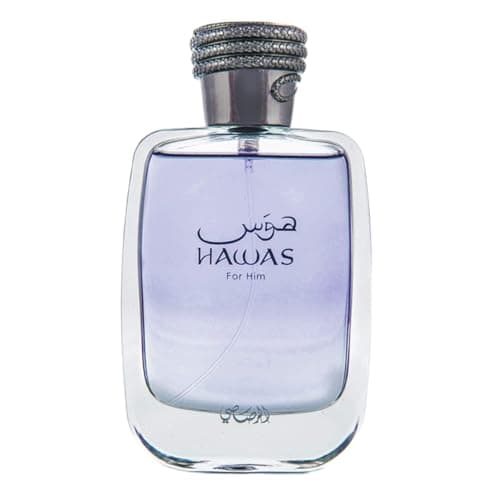
Rasasi Hawas For Him takes the top spot because it is the rare fresh scent that does not disappear by lunch. The usual beginner story is buying a pleasant fresh fragrance, being disappointed when it fades, and concluding fragrance does not work on you. Hawas removes that failure mode entirely while staying versatile and cheap — the full case is in the Hawas review.
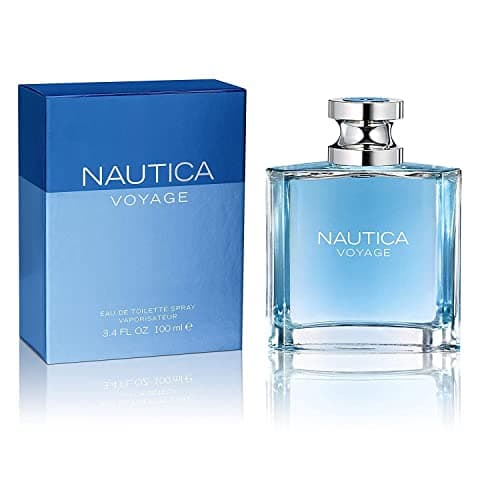
Nautica Voyage is the cheapest sane entry pointand the honest answer to "what if I hate this and wasted my money." It is almost impossible to dislike and costs less than a takeaway. Its short longevity is the trade, covered in the Voyage review.
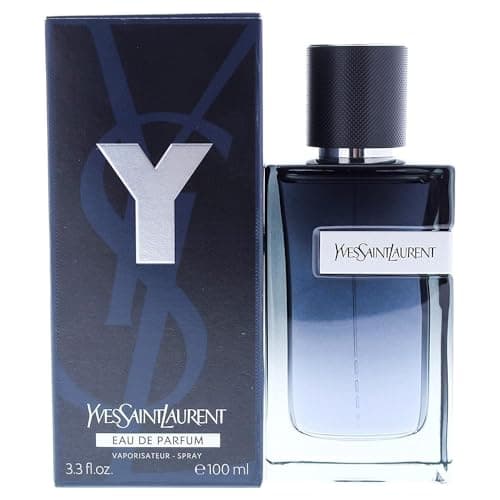
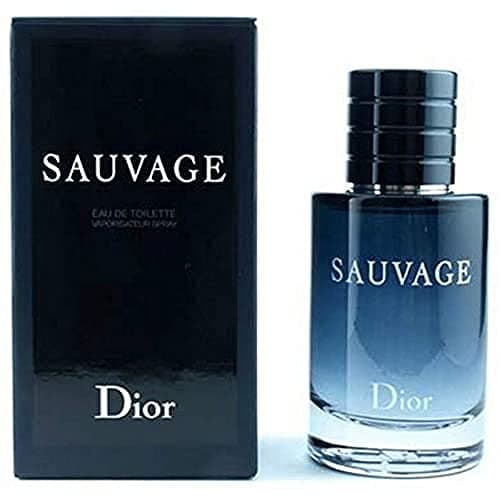
YSL Y EDP and Dior Sauvage are the polished designer options — both extremely versatile, both very widely liked, both more expensive than you strictly need to spend. Sauvage carries the caveat of being the most-worn fragrance on the planet; Y is less common but less distinctive.
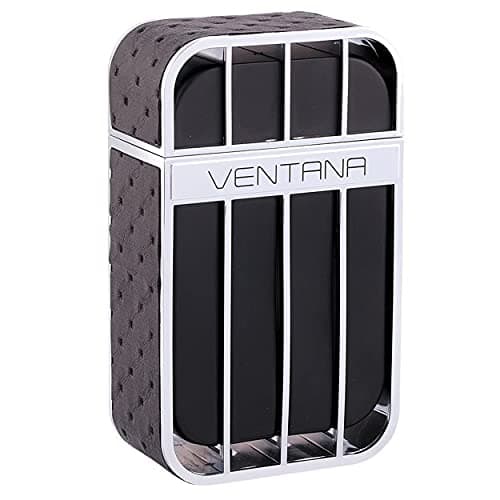
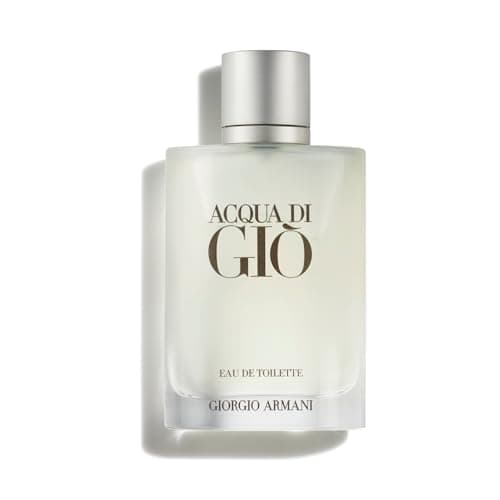
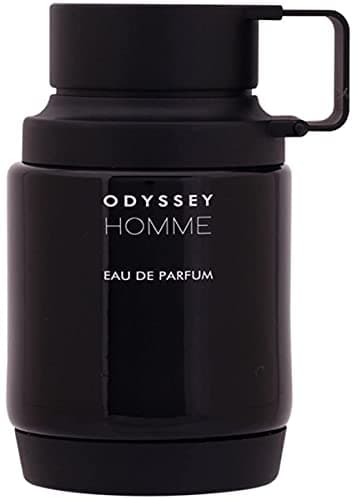
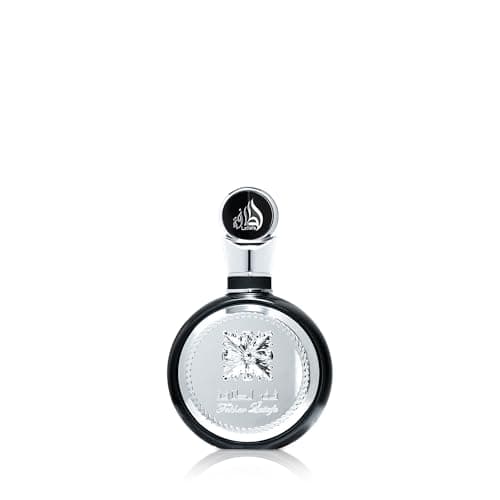
Armaf Ventana, Armaf Odyssey and Lattafa Fakhar are the budget bench — inexpensive, competent, and genuinely useful for learning what you like without commitment. Acqua di Gio is here as the reference aquatic, with the honest note that the original EDT is light on performance.
What we deliberately left off
No heavy gourmands, no oud, no smoky leathers, and nothing known for room-filling projection. All of those can be excellent — several appear on our winter and date night rankings — but they are specialists, and specialists make poor first bottles. Buy one as a second purchase once you know what you like.
If the question behind your first bottle is really a budget question, our guide to how much to spend on cologne lays out the four price bands and what each one genuinely buys you. And if the bottles you are drawn to keep getting called "niche", our guide to what a niche fragrance is explains what that word buys and what it does not.
Shopping by house is the other way in: best cologne brands for men sets out which house gives a first-time buyer the best odds at each budget.
How to actually buy your first bottle
Pick a direction before you pick a product. Fresh and aquatic scents are the safest starting point — clean, bright, widely liked and hard to wear badly. Woody and aromatic scents read a little more grown-up and work well for the office. Warm ambers and gourmands are the most rewarding and the least forgiving; they are a better second bottle than a first.
Then pick a strength. Eau de toilette is the right default: versatile, forgiving and usually the cheapest way into a scent. Eau de parfum lasts longer and projects harder, which helps once you know what you like and hurts while you are still learning restraint. The concentrations guide explains the whole ladder.
Test before you commit
A fragrance changes over hours. What you smell in a shop is the top notes, and they are gone in about fifteen minutes — you will spend the rest of the day wearing a base you never evaluated. Spray on skin, not paper, and judge it at four hours rather than four minutes. The notes guide explains why that gap exists.
If you are torn between several, a sampler set is the cheapest insurance in this hobby — multiple scents in wearable quantities for a fraction of one full bottle.
The three mistakes beginners make
Over-spraying. By a distance the most common. Start at two sprays on the chest and neck, and resist adding more just because you cannot smell it — you are the last person who will. The how many sprays guide has the specifics.
Buying the loudest option. Beast-mode performance is fun to read about and antisocial in an open-plan office. Versatility is worth more in a first bottle than power.
Buying three at once. One bottle worn consistently for a few months teaches you more than a shelf of untested purchases.
Make it last
If a scent fades faster on you than the reviews suggest, the cause is usually dry skin rather than the bottle. Fragrance clings to oil. Applying an unscented moisturizer to your neck and chest before spraying is close to free and is the single most effective fix — the longevity guide covers the rest, and storage matters more than most people think.
Where to go next
Once you know your direction, the specialists get interesting. If budget is the constraint, the under-$25 ranking and Arabian houses are where the value has moved. If you want the widest field, the flagship ranking is the place to browse. And when the first bottle has taught you what you like, the signature scent guide is the method for turning that into the one fragrance people associate with you.