Buy the smallest size of a fragrance you have never worn, and the largest size of a fragrance you already know you will finish. That one sentence covers most of the decision. The rest of this guide is about why the instinct to buy big is usually wrong, how to find out how much fragrance you actually use, and the handful of cases where the large bottle really is the smart buy.
The sizes, and what they are for
Men's fragrance is sold in a fairly standard ladder. A 30 ml (1 oz) bottle is the travel and trial size — small enough to fly with, cheap enough to be wrong about. 50 ml (1.7 oz) is the standard size and the one most people should default to; some houses use 60 ml instead. 100 ml (3.3 or 3.4 oz) is the large size and the one shops push hardest, because the margin is best. A few lines go to 150 or 200 ml, which is a size for a signature scent you wear every day and nothing else.
Not every fragrance is sold in every size. Value houses frequently make 100 ml the standard size, because at their price a 30 ml would hardly be worth making; some designer bottles skip 30 ml entirely. Check the listing — the volume is usually in the title, and our buy buttons link straight to the listing we checked.
Why cost per millilitre misleads
The big bottle is nearly always cheaper per millilitre, and shops know you know that. It is the wrong metric. The number that matters is cost per millilitre you actually use, and for most people that changes the answer completely. A 100 ml bottle of a fragrance you wear twice a week will not be finished for years; long before then you will have bought other bottles, your taste will have moved, and — depending on how it is stored — the top notes may have started to turn. A 50 ml bottle of the same fragrance that you finish is cheaper per millilitre used than a 100 ml you abandon two-thirds full.
This is the single most common way money is wasted in this hobby: a shelf of large bottles, each a quarter down, bought because the maths looked good at the counter. Our wardrobe guide is largely about avoiding that shelf.
How to work out how long a bottle will last you
You will see confident figures online for how many sprays a bottle holds. We are not going to give you one, because it depends on the atomiser — spray heads deliver noticeably different amounts, and the same bottle can vary between batches. What we will give you is a method that takes a week and produces a number that is actually yours.
- Buy a cheap 5 or 10 ml travel atomiser and fill it from your current bottle, or use a sample vial of known volume.
- Wear it normally and count your sprays per wearing — two, three, whatever you genuinely do. Our spray-count guide covers what that number should be.
- Note how many wearings it takes to empty. Divide the atomiser volume by the number of wearings and you have your millilitres per wear.
- Divide any bottle size by that figure, then by the number of days a week you would wear it, and you have how many weeks the bottle lasts you.
Most people who do this are surprised in one of two directions: either they use far less than they thought and a 50 ml bottle worn in rotation is a multi-year commitment, or they are spraying far more than they realised and the bottle is not the problem. Both are useful things to know before you spend money.
When the big bottle is the right buy
There are three honest cases. A signature scent you wear most days — if one bottle is your default, you will finish 100 ml in a reasonable time and the saving is real. A fragrance so cheap the small size is not worth making — the value tier, where the 100 ml is the only size and costs less than a designer 30 ml anyway. And a fragrance you have already finished once, which is the only proof that counts that you will finish it again. Outside those, the standard size is the right buy, and for anything you are trying for the first time, the smallest size sold or a sample is.
The picks below are chosen to show each case: a sampler for the first-time decision, a very cheap crowd-pleaser where the large bottle is the obvious buy, a value-house bottle that comes as a large size with a body spray in the box, and an expensive best-seller where the small size is the one to start with.
Why the four picks
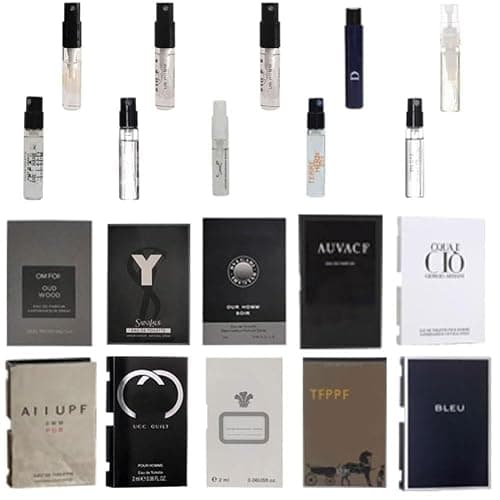
The 10-vial designer sampler is the size decision done properly: ten fragrances in trial quantities for less than one small bottle, so you find out what you actually like before you buy any of it in a size that matters. Our sampler-set ranking compares it with its rivals; for anyone at the start, it is the first thing to buy.
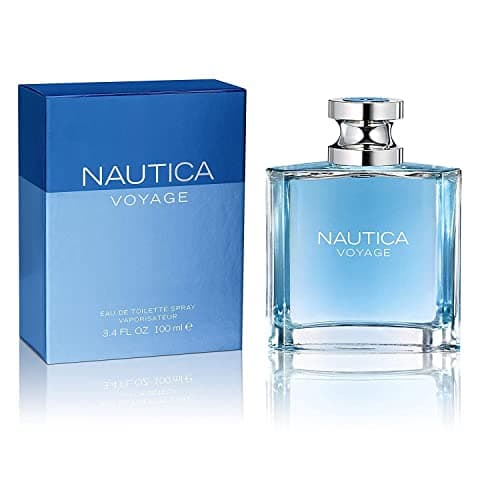
Nautica Voyageis the case for the big bottle. It is the perennial answer to "cheap cologne that smells good," it is inoffensive enough to wear anywhere, and its listed 3.3 fl oz bottle costs less than a sample set from some houses. Its honest weakness is longevity, which means you will re-apply, which means you will finish it — the one condition under which the large size is always right.
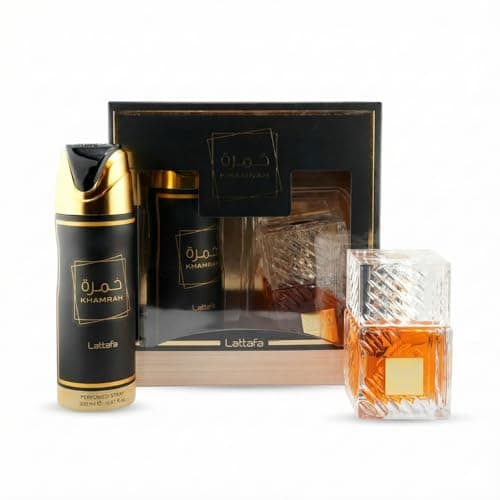
Lattafa Khamrahshows the value-house pattern: the listing we link to is a 100 ml bottle sold with a 200 ml perfumed body spray, because at Lattafa's price the large size is simply the standard one. It is a sweet, heavy, all-day cold-weather gourmand — not a daily bottle for most people — so the size is generous for the use. Buy it knowing that, and knowing it will last.
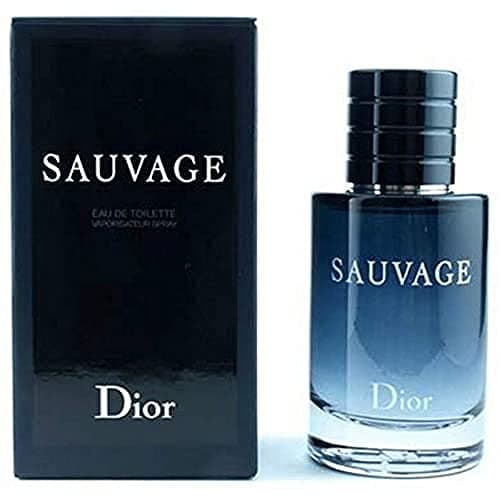
Dior Sauvage EDTis the opposite case. It is the best-selling men's fragrance on the planet, it is not cheap, and it is one of the fragrances people most often buy large on the strength of having smelled it on someone else. Start with the smallest size the listing offers, or a sample. If you love it, the large size is a sensible second purchase — and our Sauvage comparison may talk you into a different concentration first.
Two traps worth naming
The gift-set trap:a 100 ml bottle with a "free" travel spray and shower gel is priced as a 100 ml bottle and the extras are worth roughly what you would guess. It is a fine buy if you wanted the 100 ml anyway, and a poor one if you did not. Our gift-set ranking is honest about which sets earn their box. The tester trap:a "tester" is a genuine bottle sold without the retail box and cap, usually at a discount, and it is a good buy from a seller you trust — but it is also a common counterfeit format, because there is no packaging to check. Our fake-spotting guide covers what to look for.
Where to go from here
If you are choosing a first bottle, the first-cologne guide walks through family, strength and budget before size. If you are flying, the plane guide explains why 100 ml is exactly the carry-on limit and why a smaller bottle is the better travel buy anyway. And if the goal is the most fragrance for the least money, the under-$50 ranking and the cheap-cologne ranking are the pages.