Dior is really three fragrance houses wearing one name
Most people arrive at this page because of one bottle. Sauvage is the best-selling men's fragrance in the world, and for a very large number of men it is the only Dior they have ever smelled deliberately. That is a reasonable place to start and a poor place to stop, because the men's line splits into three groups that have almost nothing to do with each other.
There is the Sauvage family — six versions of the same commercial idea, ranging from bright and ambroxan-driven to dark and spicy, most recently the 2026 Sauvage Extrait. There is Dior Homme, a formal iris-and-cocoa line that is the closest a mainstream designer gets to niche perfumery. And there are the heritage bottles, Eau Sauvage from 1966 and Fahrenheit from 1988, which are still in production because they are genuinely important, not because they sell in Sauvage numbers.
Ranking those against each other only makes sense if you are honest about what the ranking is for. Position one here is not "objectively the finest thing Dior has composed" — by that standard a sixty-year-old citrus would beat a mass-market best-seller. It is the bottle that will satisfy the most men buying a Dior, which is a different and more useful question. The picks get more specific as you go down.
The criteria we ranked on
Every bottle here had to clear the same four bars, weighted in this order:
- A job it does better than the others. Six Dior bottles that all do the same thing would be a useless list. Each pick here owns a role — the everyday default, the formal one, the performance monster, the original, the cold-weather variant, the hot-weather classic — and we say plainly where each one stops working.
- Currently buyable, at a price we can show you. Every pick was checked against a live Amazon listing before it went on this page, and the figure next to each one is pulled from Amazon and timestamped rather than typed in by us. Dior does not discount much, so what you see is close to what the house intends to charge.
- Worth designer money, or clearly flagged when it isn't. Dior sits in the $100-plus tier almost across the board. Two of these bottles are, in our judgment, priced well past what they deliver against cheaper competition, and we say which and why rather than pretending the house has no weak spots.
- An honest failure mode.Every card below carries a plain "don't buy this if." With this house that matters more than usual, because two of the six are genuinely divisive and one of them is the sort of fragrance people either wear for thirty years or hate on the first spray.
How the ranking shakes out
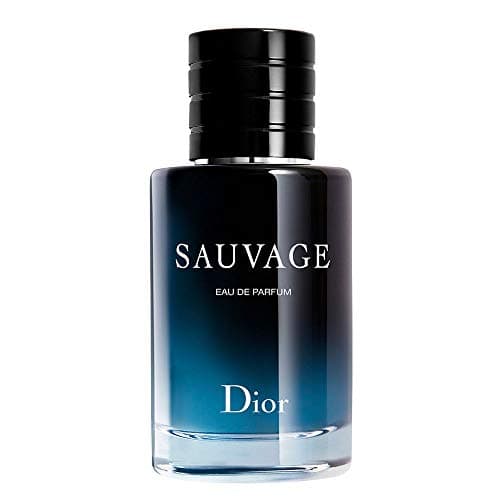
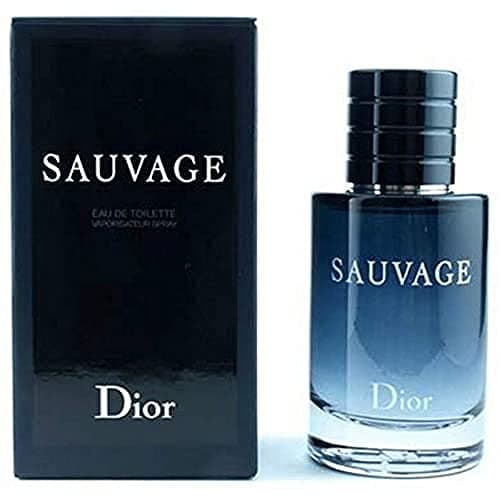
Sauvage EDT takes the top spot, and we want to be precise about why. It is not the most interesting fragrance Dior makes — it is nowhere near it. It is the one that works in the most rooms: bright bergamot over a large ambroxan base, clean and forceful, liked by more or less everybody, and effective in almost any weather. If you are buying one Dior and you have no strong opinions yet, this is the bottle. Its single real weakness is its own success. You will smell it on other people, regularly, and if being recognized as "the Sauvage guy" would bother you, buy something else from this list. The full Sauvage review covers the EDT in depth, and our Sauvage EDT vs EDP vs Parfum vs Elixir comparison goes through the whole line, Extrait included.
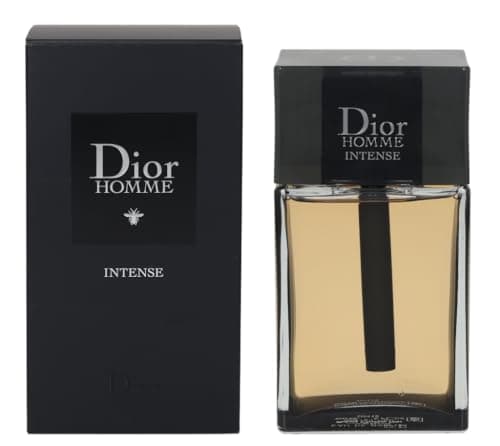
Dior Homme Intense is second, and it is the pick we would make for ourselves. A powdery, lipstick-like iris over cocoa and woods, it is formal, refined and completely unlike anything else at this price. It is also the most grown-up thing on the page: it suits a wedding, a formal evening or an office where you want to read as considered rather than fashionable. The iris facet is the catch — some people register it as makeup, and it is not remotely a casual or summer scent. See the office ranking for where it sits against the wider field.
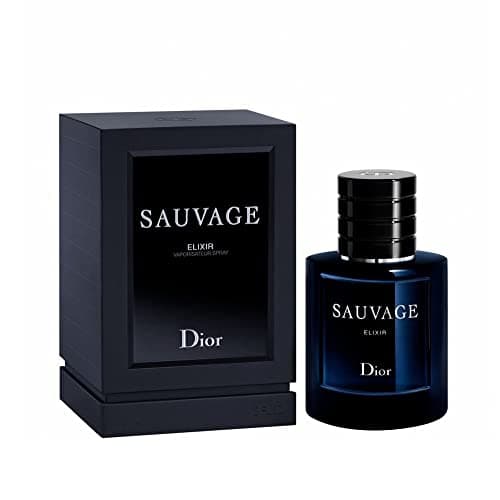
Sauvage Elixir is third, and it is the biggest performer on this page. Nutmeg, cinnamon and cardamom over lavender, with licorice and Haitian vetiver underneath — dense, dark and spicy, and close enough to unrelated to the EDT that calling it "Sauvage" is mostly marketing. Two sprays will outlast your day. It is also the most expensive bottle we rank here by a wide margin, it is far too heavy for hot weather or a small shared office, and if you liked Sauvage because it was easy, this is not that. One update since we first published this: in 2026 Dior went further again with Sauvage Extrait, the house's first extrait de parfum for men — a Vietnamese-oud version that is both more concentrated and more expensive than the Elixir. We have not ranked it, because it is a specialist bottle rather than a Dior to start with, and it is not the answer to "which Sauvage should I buy."
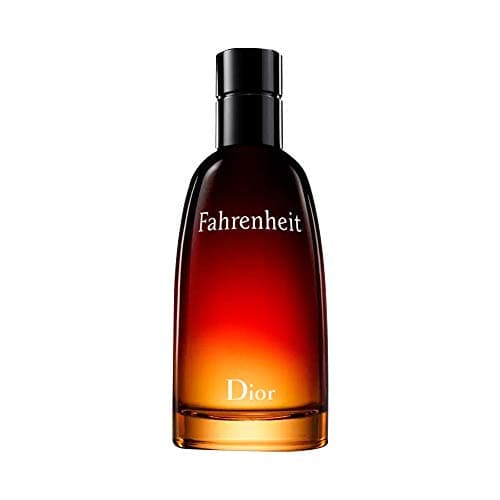
Fahrenheit is fourth, and it is the most original fragrance on this page by a distance. Violet leaf and mandarin over a smoky birch-tar leather that people have been describing as gasoline, struck matches and hot metal since 1988. Nothing on a department store shelf smells like it. That is the whole appeal and also the whole problem: it is genuinely divisive, its register is unmistakably of its decade, and it is the one bottle here we would tell you never to buy blind. If it lands for you, nothing else will do.
Sauvage EDP is fifth. Warmer and sweeter than the EDT, with vanilla and amber softening the ambroxan, and better staying power — a straightforwardly good cold-weather version of a fragrance you already know. It ranks below the bottles above it for one reason: it is the least necessary purchase on the page. If you own the EDT you do not need it, and if you do not own the EDT you should probably start there. It earns its place on the winter ranking more than it earns it here.
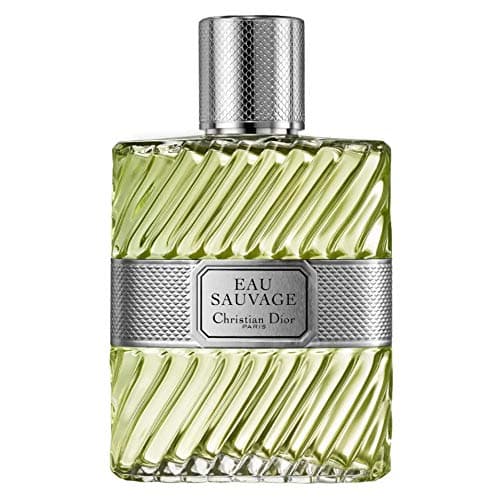
Eau Sauvage closes the list, and its position is not a verdict on its quality. This is Dior's first men's fragrance, composed by Edmond Roudnitska in 1966, and it is one of the genuinely important perfumes of the twentieth century — a lemon-and-basil citrus over a jasmine heart, built around the Hedione molecule that half the industry has used ever since. It is also, by modern expectations, quiet and short-lived, which is what citrus of this kind does. Buy it because you want elegance in July, not because you want to be noticed at 6pm.
The honest counterpoint
Dior is expensive, and a meaningful part of what you pay for is the name on the bottle. That is not a scandal — it is how designer fragrance has always worked — but it is worth saying plainly on a page that recommends six of them. The Arabian houses now match or beat this price tier on longevity and projection for a fraction of the money, and if raw performance per dollar is your criterion, the Arabian ranking is a more useful page than this one.
What the designer money still buys is refinement, quality control and consistency between bottles. Sauvage smells like Sauvage every time. Dior Homme Intense does something with iris that no $35 bottle has managed. Whether that is worth two to three times the price is a judgment about your own budget, and we are not going to pretend there is one right answer to it.
The other honest note: Sauvage in particular is heavily cloned. Some of those clones are decent and openly what they are — the Sauvage dupes comparison goes through the ones that get closest and where they fall short. If your budget is the binding constraint, a good clone of the fragrance you want beats a stretch purchase of a Dior you were lukewarm about.
Comparing houses rather than bottles? Best cologne brands for men ranks Dior against five other houses, and Dior Sauvage vs YSL Yputs the house's best-seller against its closest designer rival.
Which Sauvage should you actually buy?
This is the single most common question about this house, and the answer is not "the strongest one." The four concentrations are different fragrances that share a name, not a ladder from weak to good.
The EDT is the bright one — sharp bergamot, big ambroxan, the version everybody knows. It is the most versatile and the one to buy first. The EDP is the same idea rendered warmer and sweeter with vanilla and amber, and it lasts longer; buy it instead of the EDT if you live somewhere cold, or in addition to it if you already know you like the line. The Elixir is a different fragrance wearing the family name — spicy, dark, licorice-heavy, and by some margin the most potent thing Dior sells to men. Buy it only if you have smelled it.
If the concentration labels themselves are the confusing part, the concentrations guide explains what EDT, EDP and parfum-strength actually mean in terms of oil load, longevity and price per wear — and why a higher concentration is not automatically a better buy.
What the designer price actually buys at this house
Prices move, so we do not quote numbers in prose — the live figure next to each pick above is the one to trust, and it is refreshed against Amazon rather than typed in from memory. But the tiers here are stable enough to plan around, and they break into three bands.
The heritage EDTs — Eau Sauvage and Fahrenheit — are the cheapest way into this house, and they are also the two bottles most likely to be discounted by third-party sellers. Both are decades old, both are still in production, and both are unusual enough that nobody has successfully cloned them. That is genuine value, with the caveat that neither is an easy crowd-pleaser.
The mainstream Sauvages sit in the middle and are priced where every designer flagship is priced. You are paying for a composition that works and a name people recognize. It is defensible for the bottle you wear most and hard to defend three times over.
Dior Homme Intense and Sauvage Elixir are the top band. In our judgment Dior Homme Intense earns it — there is no cheap equivalent of that iris accord — and Sauvage Elixir does not quite, because what it mostly buys you over the EDP is intensity, and intensity is the one thing the value tier already sells cheaply. If your budget stops around the hundred-dollar mark, the under $100 ranking covers what else that money reaches.
Buying Dior without getting burned
Dior is one of the most counterfeited fragrance houses in the world, and Sauvage is the single most counterfeited men's bottle. The fakes have got good: boxes, cellophane, batch codes and even the atomizer feel are routinely convincing now, and the giveaway is usually the juice, which smells right for ten minutes and then collapses.
Two practical rules. First, be suspicious of a heavy discount on a current-line Dior — this house does not deeply discount, so a 100ml Sauvage at a third of the going rate is telling you something. Second, buy from listings that are shipped and sold by a seller you can identify, and check the return policy before you order rather than after. Our guide to spotting fake cologne covers the physical checks in detail, including the ones that still work on the better counterfeits.
Sample before you commit, especially here
This advice applies to every house and it applies double to this one, because two of the six picks above are genuinely polarizing. Fahrenheit and Dior Homme Intense are both fragrances that a lot of people love and a lot of people find actively unpleasant, and no amount of reading — including reading this page — will tell you which group you are in. Skin chemistry is real, and the iris in Dior Homme Intense is particularly good at reading differently on different people.
A sampler set costs a fraction of one of these bottles and will save you at least one expensive mistake. If you are going to buy blind anyway, buy the smallest size the fragrance is sold in — a small bottle of something you end up not wearing is a minor annoyance, and a large one is a decade of shelf decoration.
Where this list ends and another begins
If you are not committed to this house and simply want the best men's fragrance you can buy right now, the flagship men's ranking is the broader field with the same criteria applied across every house we cover. If you like where Dior Homme Intense sits — dry, woody, grown-up — the woody rankinghas the rest of that lane, most of it cheaper. And if Dior's pricing is the sticking point rather than the fragrances, the best Versace cologne ranking covers the designer house that undercuts it hardest. And if the real question is Sauvage against Armani's fresh icon, the Acqua di Gio vs Sauvage comparison settles it, Profondo and the Elixir included.
And if Eau Sauvage is the one that appeals, understand what you are buying into: bright, short-lived citrus that rewards reapplication and suits heat. The summer ranking is built around exactly that brief and contains several bottles that do it with more staying power for less money.