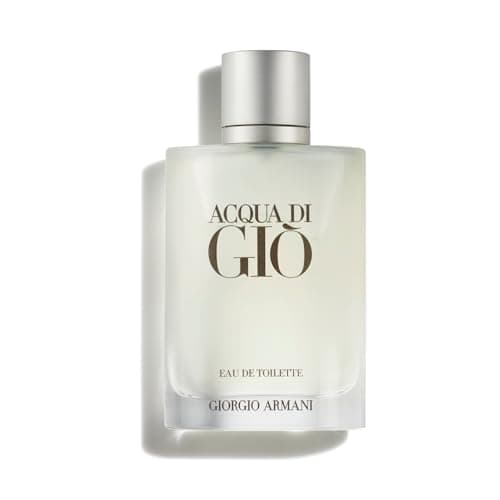
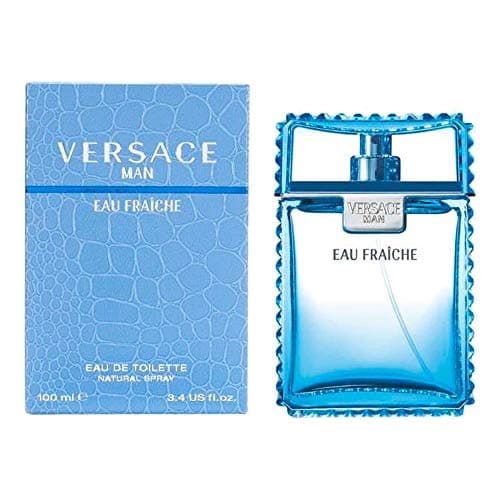
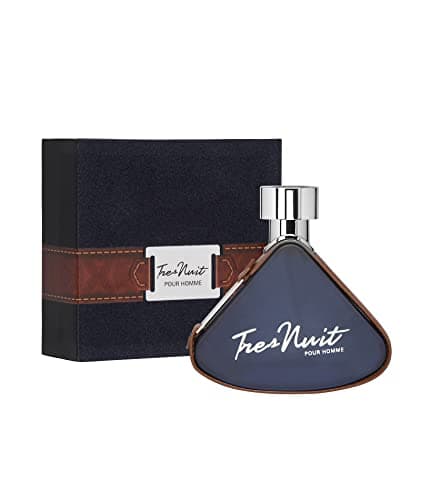
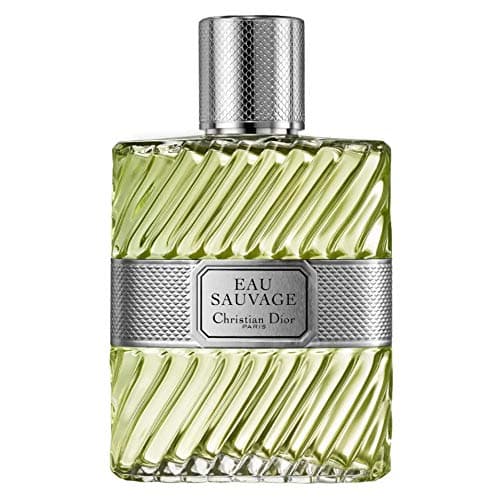
Bergamot smells like a sharper, more bitter orange with a faint floral lift — recognisably citrus, less sour than lemon, more bitter than grapefruit, and cleaner than either. If you have drunk Earl Grey tea you already know it: the same essence, extracted from the aromatic skin of the fruit, is what flavours Earl Grey and Lady Grey. In a fragrance it almost always sits at the very top, it is the first thing you smell, and it is gone within the hour. If you want to smell it properly, the four bottles below are where it is loudest on this site — starting with a 1960s citrus classic whose entire structure is built on it.
What bergamot actually is
A real fruit, not an aromachemical. Citrus bergamia is a fragrant citrus about the size of an orange, yellow or green depending on ripeness, and genetic work points to it being a hybrid of lemon — itself a hybrid of bitter orange and citron — and bitter orange. Its juice tastes less sour than lemon but more bitter than grapefruit, which is a useful description of how the oil smells too. The name comes from the Italian bergamotta, after the city of Bergamo. One thing worth knowing if you read note lists carefully: the bergamot in perfumery has nothing to do with the garden herbs called bergamot, wild bergamot or bergamot mint, which are mint-family plants named for a similar aroma.
Nearly all of it comes from one small stretch of coast. Production is concentrated on the Ionian coastal areas of the province of Reggio di Calabria in Italy, to the point that the fruit is a symbol of the city, with three traditional cultivars — Feminello, Fantastico and Castagnaro. It is also grown in southern France and the Ivory Coast for essential oil, and in Antalya in southern Turkey for marmalade. Beyond perfumery and tea it turns up in confectionery including Turkish delight, and it is one of the most common flavourings added to Swedish snus.
What bergamot does inside a fragrance
Three jobs, and it is doing at least one of them in a very large share of what you have ever smelled.
It opens the fragrance. Citrus molecules are small and volatile, so they evaporate first — that is why bergamot is a top note and why it never lasts. The bright, clean, slightly bitter flash in the first ten minutes of a modern designer scent is usually bergamot doing its job and then standing aside. Fragrance notes explained covers that hand-off in detail.
It sharpens whatever is underneath. In the fougère family, bergamot is routinely added to put an edge on the sweet lavender top note; in the chypre family it is structural — a published chypre is a bergamot head over an oakmoss-and-labdanum heart, and without the bergamot the structure is not a chypre at all. Our fragrance families explained guide puts both families in context.
It makes a scent read as clean.The reason almost every "fresh" fragrance has citrus at the top is that the human association between citrus and cleanliness is close to universal. That is also why a citrus-led bottle is the safest thing to wear into an office, which is the argument best office cologne makes at length.
The catch, and it is a real one
Bergamot oil on skin increases photosensitivity, meaning greater damage from sun exposure. In testing, bergamot oil applied directly to skin showed a concentration-dependent phototoxic effect — increasing redness after exposure to ultraviolet light — attributed to the chemical bergapten and possibly also citropten, bergamottin, geranial and neral. That property is shared by many other citrus fruits and other members of the rue family. Modern commercial fragrances use bergapten-reduced or bergapten-free oils and are formulated inside industry restrictions for exactly this reason, so this is not a warning about buying a bottle of cologne. It is a good reason not to treat raw citrus essential oil as a DIY perfume, and a decent argument for spraying fragrance on clothing rather than on sun-exposed skin in summer, which how to apply cologne covers.
Four bottles where you can smell it
Ordered by how prominent the citrus is, not by price. The first is a classic built almost entirely on the register; the last is the cheapest way to own something in this lane. Prices beside each pick are pulled live and date-stamped — none of these is an expensive bottle.
Why citrus fragrances do not last, and what to do about it
It is physics, not cost-cutting. The molecules that smell like citrus are light and leave quickly, which is why the earliest and most famous eaux de cologne were unabashedly citrus — and had low tenacity. Expecting eight hours from a citrus-led EDT is expecting the wrong thing from it. If you want the brightness and the staying power, you have three options: buy a citrus fragrance with a heavy base under it (woody or ambered), accept reapplication at lunch, or buy a fresh fragrance whose freshness comes from something more tenacious than citrus. Longest-lasting cologne ranks the third option, and how to make cologne last longer covers the application side.
Bergamot versus the other citrus notes
Lemon is sharper, simpler and reads more like cleaning product at high doses. Grapefruitis bitter and slightly sulphurous — it is what makes sporty freshies smell "energetic." Orange and mandarin are sweeter and rounder. Bergamot sits between them: the most elegant of the group, which is why perfumers reach for it by default. If the citrus register is what you are shopping for, best fresh cologne for men and best summer cologne for men are the two rankings to read, and best aquatic cologne for men covers the marine corner of it.