The fragrance that defined a decade of going out
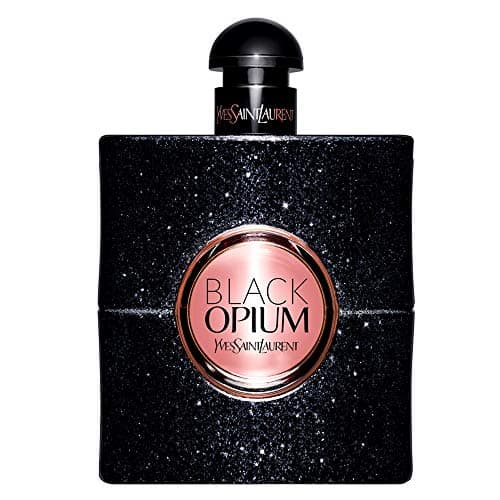
Black Opium arrived in 2014 and effectively created the template for the modern sweet night-out perfume: coffee, vanilla, and enough projection to register across a room. Almost every gourmand released since has been positioned relative to it, which is about as clear a marker of influence as this industry produces.
The coffee note is the reason. Coffee had appeared in perfume before but rarely as the headline, and pairing its bitterness with a heavy vanilla produced something that read as both grown-up and indulgent. It works, it is memorable, and it is genuinely addictive in the way the marketing claimed.
How it opens, how it wears
The opening is bright and slightly fizzy — pink pepper and pear give it a lift that stops the coffee arriving too abruptly — and within minutes the coffee and vanilla take over. That is the fragrance. It does not develop dramatically after the first half hour; it settles, deepens slightly, and holds.
Performance is genuinely strong. Aggregated owner reporting places it high for both projection and longevity, and it is one of the designer releases where the reputation for performance is deserved rather than marketing. Those figures come from compiled community reports rather than instrument readings, per our stated methodology. The practical consequence is that two sprays is the right dose and four is an imposition on everyone near you.
Where it fits
Evenings, autumn and winter, and social settings where you want presence. It is a strong choice for a night out and a good cold-weather signature. It handles a date well, provided the venue is not tiny.
It is a poor daytime fragrance and a genuinely bad office one — the sweetness and projection combine badly in shared seating. It is also wrong for summer, where the coffee-vanilla density becomes heavy fast.
The honest complaint
Ubiquity, and it is a bigger problem here than with most popular fragrances. Black Opium has sold in enormous volume for over a decade, and it is distinctive enough that people identify it instantly. Wearing it is a recognizable choice rather than a personal one. Some people are entirely happy with that; if you are not, no quality argument will help.
The second complaint is flanker confusion. YSL has extended the line considerably — Extreme, Intense, Neon, Illicit Green and others — and they vary meaningfully in both character and strength. Buying the wrong one by accident is easy because the bottles are deliberately similar. Read the listing title, not the picture.
Finally, it is expensive relative to what the budget market now offers in the same genre. Something like Lattafa Yaradelivers a comparable sweet-gourmand effect for a fraction of the price. It is not the same fragrance — Black Opium's coffee accord is more sophisticated — but the gap is smaller than the price difference implies.
Who should buy it
Buy Black Opium if you want a proven, strongly performing evening fragrance and you do not mind that it is widely worn. Buy it if you like coffee and vanilla together — nothing else does that pairing quite this well at designer level. Buy it if you want one cold-weather going-out bottle and want to stop looking.
Skip it if you want to smell distinctive, if you need daytime or office wear, or if you dislike sweetness. And if you like the idea but not the price, start with the budget gourmands on the women's ranking before committing.